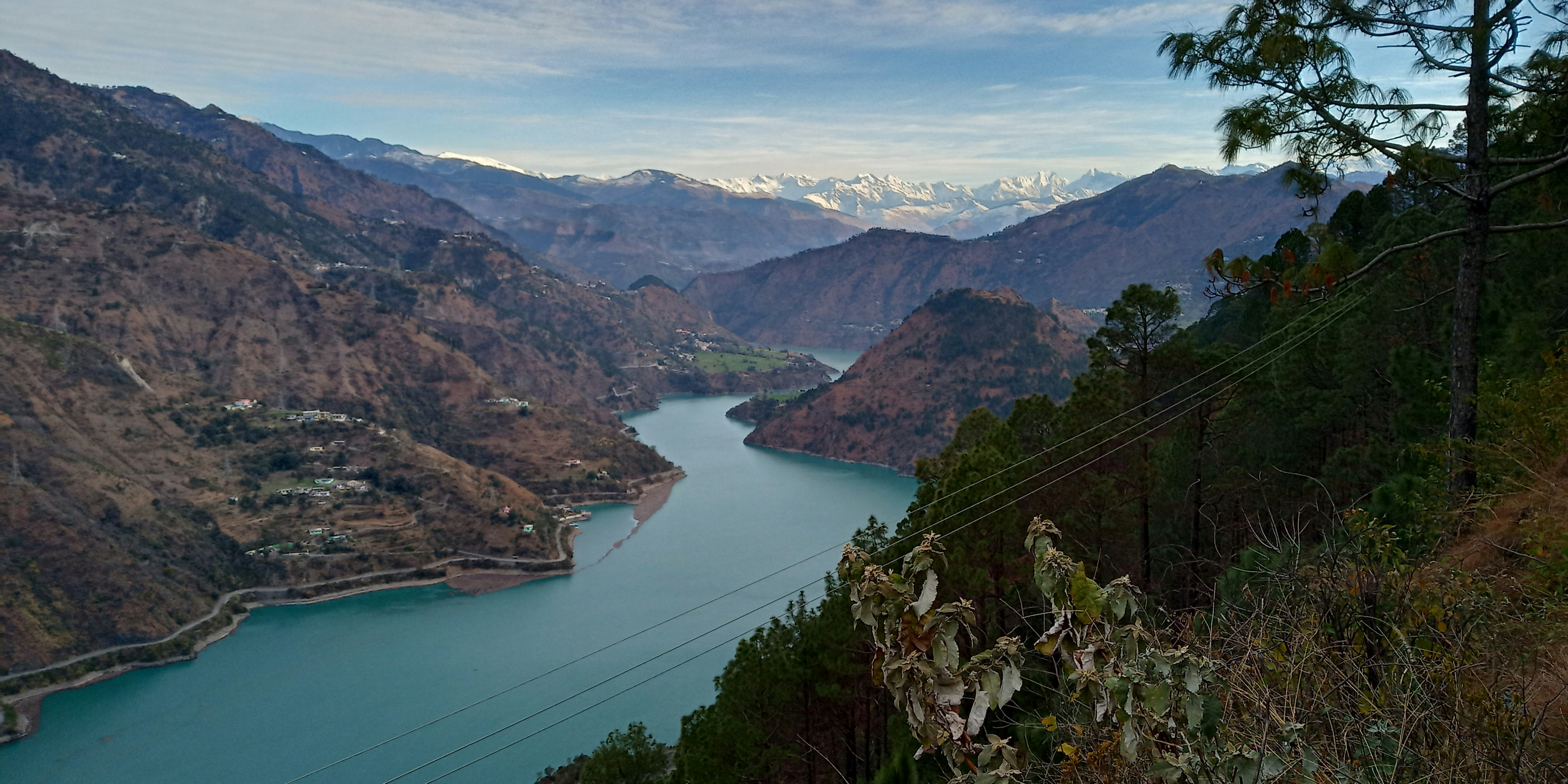
Chamba Himachal Pradesh: Complete Travel Guide
Chamba Himachal Pradesh is a historic hill town in northern Himachal Pradesh, known for its ancient temples, royal heritage, Pahari art, traditional crafts and scenic location beside the Ravi River. Founded by Raja Sahil Varman around 920 AD, Chamba preserves a remarkable part of Himachal's medieval history and cultural heritage.
Unlike destinations known mainly for mountain viewpoints, Chamba tourism offers a combination of history, architecture, temples, museums, local traditions and access to some of the most scenic destinations in the wider Chamba district.
The town's Chaugan, Lakshmi Narayan Temple complex, Hari Rai Temple and Bhuri Singh Museum form an important part of its heritage landscape. Nearby destinations such as Khajjiar, Chamera Lake and Bharmaur make Chamba a useful base for exploring the region.
Chamba at a Glance
| Information |
Details |
| Location |
Chamba, Himachal Pradesh, India |
| District |
Chamba |
| River |
Ravi River |
| Founded |
Around 920 AD |
| Founded By |
Raja Sahil Varman |
| Known For |
Temples, Pahari art, Chamba Rumal, heritage and festivals |
| Famous Landmark |
Lakshmi Narayan Temple |
| Main Town Centre |
Chaugan |
| Nearest Major Railhead |
Pathankot |
| Popular Nearby Places |
Khajjiar, Dalhousie, Chamera Lake, Bharmaur |
Chamba is located on the right bank of the Ravi River, while the town's historical core includes several important temples and heritage buildings.
Best Places to Visit in Chamba
If you are searching for places to visit in Chamba, the town itself offers several heritage and cultural attractions, while the wider district has lakes, meadows, wildlife areas and pilgrimage destinations.
1. Lakshmi Narayan Temple
The Lakshmi Narayan Temple complex is one of the most important historical landmarks in Chamba. The complex consists of six temples and features North Indian Shikhara-style architecture adapted to the local mountain environment.
The main temple dedicated to Lord Vishnu is traditionally associated with Raja Sahil Varman and dates to the period when Chamba was established.
2. Chaugan
Chaugan is the large open grassy area at the heart of Chamba town. It has historically served as a venue for public gatherings, sporting activities and festivals.
The annual Minjar Fair is held around the Chaugan and is one of the most important cultural events associated with Chamba.
3. Bhuri Singh Museum
The Bhuri Singh Museum is an important destination for anyone interested in Chamba's history and art.
Its collections include Pahari miniature paintings, coins, jewellery, musical instruments, historical artefacts and copper-plate inscriptions. The museum also preserves material connected with the cultural heritage of the former Chamba state.
4. Hari Rai Temple
Located near the Chaugan, the Hari Rai Temple is an 11th-century temple dedicated to Lord Vishnu. It is known for its Shikhara-style architecture and an important bronze image of Vishnu.
5. Chamunda Devi Temple
The Chamunda Devi Temple overlooks Chamba town and is known for its traditional stone and wood architecture. The temple is more than 300 years old according to Himachal Tourism and can be reached from the town by stairs or an alternate road route.
Famous Places Near Chamba
One of the advantages of visiting Chamba is its location within a region containing several well-known Himalayan destinations.
Khajjiar
Khajjiar is a scenic meadow surrounded by dense cedar forests and is approximately 26 km from Chamba according to Himachal Tourism. The Khajji Nag Temple is located near the meadow.
Dalhousie
Dalhousie is approximately 54 km from Chamba, making it possible to combine the two destinations in the same Himachal itinerary.
Chamera Lake
Chamera Lake is formed by the backwaters of the Chamera Dam on the Ravi River. It is approximately 40 km from Chamba and is associated with boating and other water-based recreational activities.
Bharmaur
Bharmaur is around 65 km from Chamba and is known for its historic Chaurasi Temple complex and its importance on the route towards Manimahesh.
Chamba History
The history of Chamba Himachal Pradesh goes back more than a thousand years. The town was established by Raja Sahil Varman around 920 AD, when the capital of the kingdom was shifted from Bharmaur to Chamba.
The legacy of the former Chamba state can still be seen in its temples, palaces, museums, paintings and traditional crafts.
Chamba's cultural heritage is particularly associated with:
- Pahari miniature painting
- Chamba Rumal embroidery
- Traditional temple architecture
- Historic palaces
- Local fairs and festivals
- Traditional Himachali culture
This historical character is one of the main reasons Chamba offers a different experience from more commercial hill stations.
Chamba Culture and Traditional Art
Chamba is particularly known for its artistic heritage.
Chamba Rumal
Chamba Rumal is a traditional embroidered textile associated with the region. Its detailed needlework and miniature-painting-inspired designs form an important part of Chamba's cultural identity.
Pahari Paintings
The region has a long association with Pahari miniature painting, examples of which can be explored at the Bhuri Singh Museum.
Famous Festivals of Chamba
Minjar Fair
The Minjar Fair is Chamba's major annual festival and is traditionally held around July–August. The celebrations take place around the Chaugan and include cultural performances, local crafts and community events.
Sui Mela
The Sui Mela is associated with the Sui Mata Temple and commemorates the traditional story of a queen associated with Chamba's historic water shortage. The fair is traditionally held in April.
Best Time to Visit Chamba
Chamba can be visited throughout much of the year, but the best period depends on what you want to experience.
March to June
Spring and summer generally offer comfortable conditions for sightseeing and exploring the town and surrounding destinations.
July to September
The monsoon brings rainfall to the region. The Minjar Fair is traditionally held during July–August, making this period culturally significant, although travellers should account for monsoon conditions.
September to November
Post-monsoon weather can be suitable for sightseeing and exploring nearby destinations.
December to February
Winter is colder, particularly in higher areas. Travellers heading towards higher-altitude destinations should be prepared for significantly colder conditions.
How to Reach Chamba
By Air
Himachal Tourism lists Pathankot Airport as approximately 120 km from Chamba, while Kangra's Gaggal Airport is approximately 150 km away.
By Train
Pathankot railway station is the nearest major rail connection and is approximately 120 km from Chamba. From Pathankot, travellers can continue by road.
By Road
Chamba is connected by road with destinations including Dalhousie, Dharamshala, Pathankot and other parts of Himachal Pradesh. Buses and taxis are available for road travel.
Things to Do in Chamba
When visiting Chamba, travellers can:
- Explore the historic Lakshmi Narayan Temple
- Walk around Chaugan
- Visit the Bhuri Singh Museum
- Explore historic temples
- Learn about Chamba Rumal
- Experience local food and markets
- Attend the Minjar Fair if visiting during the festival
- Explore nearby Khajjiar
- Visit Chamera Lake
- Plan a trip towards Bharmaur and Manimahesh
Chamba Travel Tips
- Keep a few hours for exploring the old town on foot.
- Wear comfortable shoes because some old-town streets and temple approaches can be steep or narrow.
- Check weather and road conditions before travelling to higher destinations.
- If visiting during a major festival, expect increased tourist activity.
- Respect local customs when visiting temples.
- Carry some cash for smaller shops and local establishments.
- Keep extra time for road journeys because mountain routes can be slow.
How Many Days Are Enough for Chamba?
For Chamba town, one full day can cover several of the major heritage attractions.
However, 2–3 days gives you more time to explore Chamba along with nearby destinations such as Khajjiar, Chamera Lake or other parts of the district.
If your itinerary includes Bharmaur or Manimahesh, additional time is advisable because these involve longer road journeys and, in the case of Manimahesh Lake, a high-altitude trek.
Chamba vs Dalhousie
Chamba and Dalhousie can easily be combined in one trip, but they offer different experiences.
Chamba is particularly strong for:
- History
- Ancient temples
- Pahari art
- Museums
- Local culture
- Traditional festivals
Dalhousie is better known as a colonial-era hill station and a base for exploring destinations such as Khajjiar.
For travellers interested in Chamba tourism, spending time in Chamba itself rather than treating it only as a stop on the way to Khajjiar can provide a better understanding of the region's history and culture.