Explore Shimla
The Heart of Shimla
Cities to Explore
10 Locations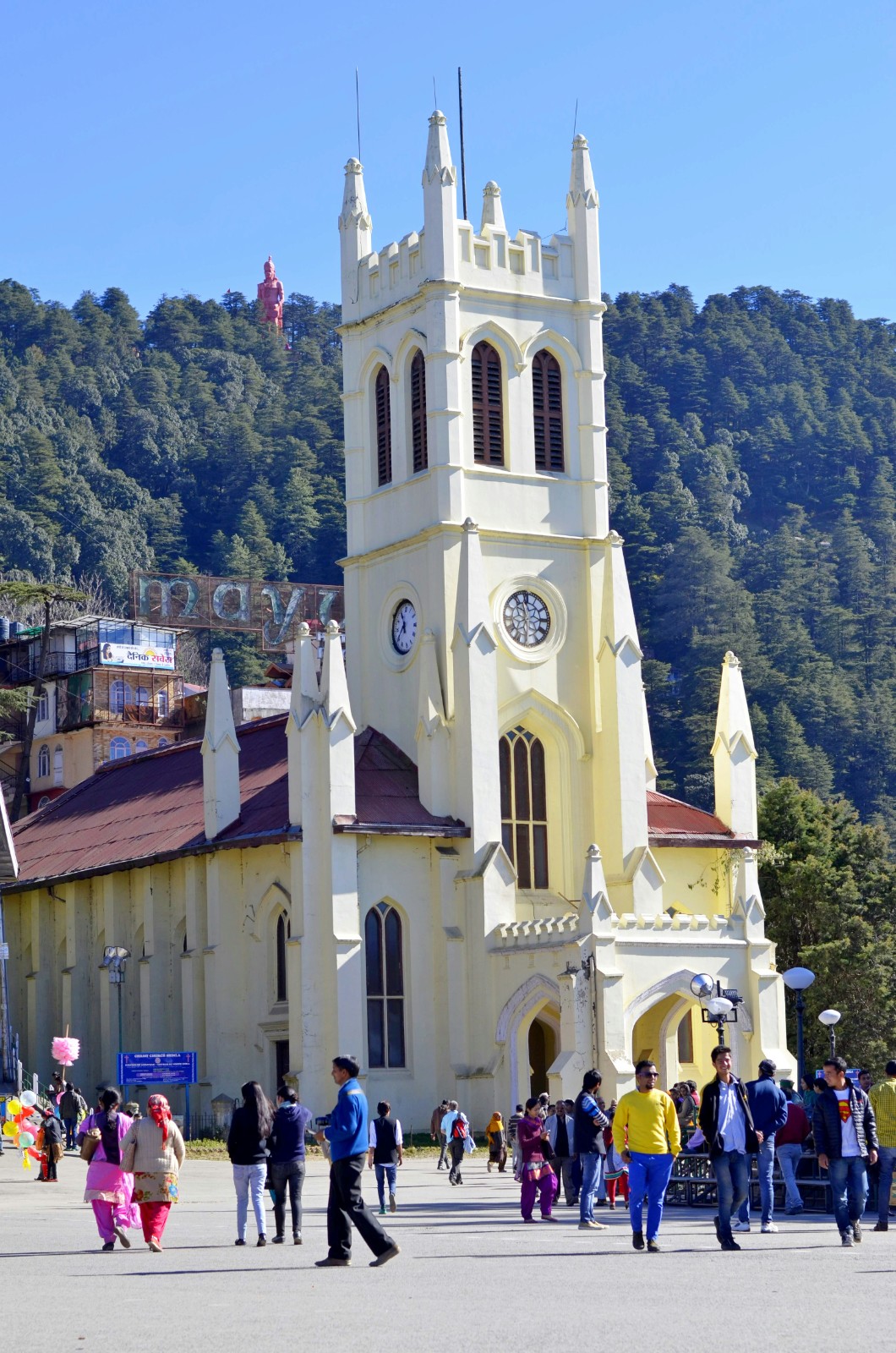
Shimla
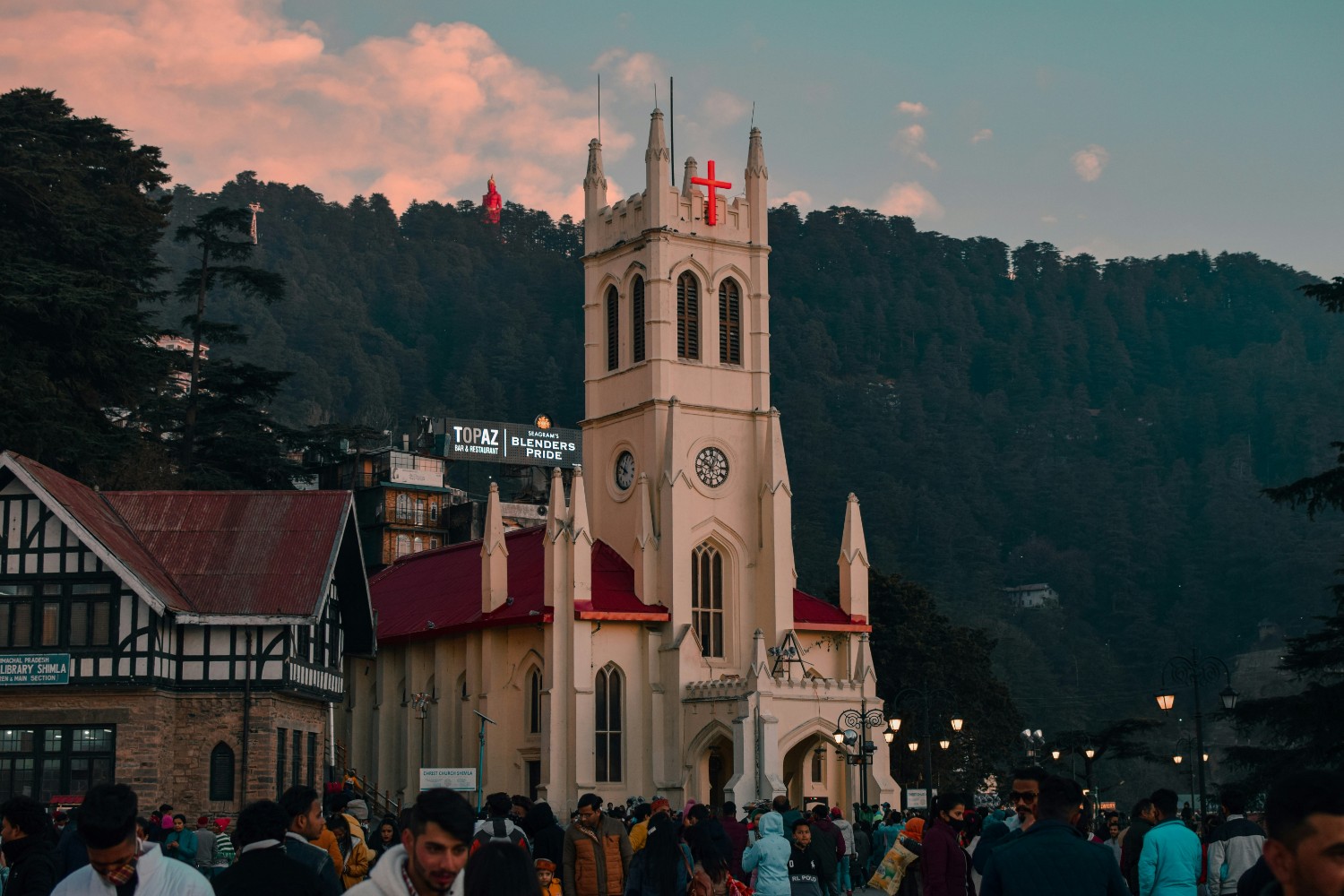
Shimla, the capital of Himachal Pradesh, is a popular hill station known for its mountain views, colonial-era architecture, historic churches, temples and lively shopping streets. The city’s main attractions include Mall Road, The Ridge, Christ Church, Jakhu Temple, Scandal Point and the Gaiety Theatre. Visitors can also explore Viceregal Lodge, Kali Bari Temple, Lakkar Bazaar and the peaceful surroundings of Summer Hill. Whether you are planning a family holiday, a romantic getaway or a short weekend trip, Shimla offers sightseeing, local food, shopping and scenic walks. This travel guide covers the main attractions, best time to visit, itineraries, transport options and practical travel tips. Shimla: The Queen of Hills Shimla is one of India's best-known mountain destinations, located in the hills of Himachal Pradesh. Once the summer capital of British India, the city is recognised for its historic buildings, forested slopes, pedestrian-friendly central streets and views of the surrounding mountains. Its blend of heritage, local culture and hill-station atmosphere attracts families, couples, solo travellers and history enthusiasts. For travellers searching for Shimla tourist places to visit, the city offers a mix of famous landmarks and quieter experiences. You can spend the morning exploring historic buildings, walk along Mall Road in the afternoon, visit a hilltop temple and finish the day with local food and shopping. Shimla city is also a useful base for exploring the wider district. Destinations such as Kufri, Mashobra and Narkanda are outside the main city and are better planned as separate excursions. Best Places to Visit in Shimla 1. Mall Road Mall Road is one of Shimla's best-known streets and a central part of the city's visitor experience. It is popular for walking, shopping, dining and enjoying the atmosphere of the hill station. The area has cafés, restaurants, bookshops, clothing stores and shops selling woollens, handicrafts and local products. Mall Road is especially lively in the late afternoon and evening, when visitors come to browse shops, enjoy the views and relax over a meal. Vehicle access is restricted along much of the central pedestrian area, so wear comfortable shoes and expect to walk. Best for: Shopping, cafés, evening walks and first-time visitors. 2. The Ridge The Ridge is a large open public space in the heart of Shimla, known for its mountain views and historic surroundings. It is closely connected to Mall Road and is one of the most recognisable places in the city. Visitors come here to take photographs, enjoy the open space and see the surrounding heritage buildings. The area is also used for public celebrations and cultural events. On clear days, the views across the surrounding hills make it a popular place to spend time outdoors. Best for: Photography, scenic views, relaxed walks and cultural events. 3. Christ Church Christ Church stands near The Ridge and is one of Shimla's most prominent historic landmarks. Its distinctive neo-Gothic architecture makes it a favourite stop for visitors interested in the city's colonial heritage. The church contributes to the historic character of the central town and is often included in walking tours around The Ridge and Mall Road. Visitors should respect the place of worship, follow any photography restrictions and avoid disturbing services. Best for: Architecture, history and photography. 4. Jakhu Temple Jakhu Temple is dedicated to Lord Hanuman and is located on Jakhu Hill, one of the highest points in Shimla city. The hill offers a different perspective of the surrounding mountains and town, while the temple is an important religious destination. Visitors can reach the area on foot or use available local transport options, depending on access and current arrangements. The uphill walk can be tiring, so allow enough time and wear suitable footwear. Monkeys are commonly seen around the temple; keep food and loose belongings secure and do not feed them. Best for: Religious visits, hill views and a short uphill outing. 5. Scandal Point Scandal Point is a well-known meeting point where prominent central streets converge near The Ridge and Mall Road. It is a convenient stop while exploring Shimla on foot and offers views of the surrounding streets and buildings. The location is associated with local stories about Shimla's past, although popular versions of these stories may vary. Visitors can include it in a walking route covering The Ridge, Christ Church and nearby shopping areas. Best for: Walking tours, people-watching and heritage sightseeing. 6. Gaiety Theatre The Gaiety Theatre, located in the Mall Road area, is an important part of Shimla's cultural and architectural heritage. The historic theatre is associated with performances and the social life of the town during the British period. Visitors interested in history, architecture and performing arts can look into available tours, exhibitions or cultural programmes. Access to individual sections and events may vary, so check current arrangements before planning a visit. Best for: Cultural heritage, theatre and architecture. 7. Viceregal Lodge (Rashtrapati Niwas) Viceregal Lodge, also known as Rashtrapati Niwas, is one of Shimla's important historic buildings. It served as the residence of the British Viceroy and is notable for its grand architecture and landscaped grounds. The building offers insight into Shimla's role during British rule and is a worthwhile stop for travellers interested in history. Entry arrangements, opening days, visitor access and ticket rules can change, so confirm the latest information before visiting. Best for: History, architecture and heritage photography. 8. Kali Bari Temple Kali Bari Temple is a religious attraction dedicated to Goddess Kali. It is visited by devotees and travellers interested in Shimla's spiritual traditions. The temple can be included in a city sightseeing plan alongside the central shopping and heritage areas. Visitors should dress respectfully and check locally for prayer timings or special arrangements during festivals. Best for: Religious visits and local cultural experiences. 9. Lakkar Bazaar Lakkar Bazaar is known for its shops selling wooden handicrafts, walking sticks, souvenirs and other locally available products. It is a useful stop for visitors looking to shop beyond the main Mall Road stores. Take time to browse the shops, compare prices and ask about the material and craftsmanship of wooden items. The bazaar is also a convenient place to look for gifts and souvenirs to take home. Best for: Souvenir shopping, handicrafts and local market experiences. 10. Himachal State Museum The Himachal State Museum offers an introduction to the region's cultural and artistic heritage. Its collections may include traditional art, sculptures, archaeological objects, coins, photographs and other historical material. The museum is a good choice for travellers who want to understand Himachal Pradesh beyond its scenery. Since opening hours and visitor arrangements may change, check the current schedule before making a dedicated trip. Best for: History, regional art and cultural learning. 11. Annandale Annandale is a green open area in Shimla associated with recreation, sports and scenic surroundings. It offers a different atmosphere from the busy central shopping streets and can appeal to visitors interested in the city's landscape and history. Access to specific grounds or facilities may be restricted or subject to local rules. Check current visitor access before travelling there. Best for: Open landscapes, outdoor surroundings and a quieter outing. 12. Summer Hill Summer Hill is a peaceful part of Shimla known for its green surroundings and residential character. It offers a quieter alternative to the busy central tourist area and is associated with the wider heritage and educational landscape of the city. Visitors can explore the area respectfully, keeping in mind that it is also a lived-in neighbourhood. It is better suited to a relaxed outing than to a tightly scheduled list of major attractions. Best for: Quiet walks, greenery and exploring a less crowded part of the city. 13. Chadwick Falls Chadwick Falls is a natural attraction in the forested surroundings near Shimla. Its water flow is usually more impressive during or after the monsoon, although heavy rain can make paths slippery and travel conditions less predictable. The approach may involve walking through forested terrain, so wear suitable footwear and check local conditions. Avoid visiting during unsafe weather or approaching slippery edges for photographs. Best for: Nature, forest scenery and photography when conditions are suitable. Things to Do in Shimla Shimla is not only about visiting individual attractions. The city also offers simple experiences that help visitors enjoy its atmosphere and heritage. Walk along Mall Road and The Ridge: Explore the central area on foot, stop at viewpoints and browse local shops. Explore colonial architecture: Visit Christ Church, Gaiety Theatre and other heritage landmarks. Visit Jakhu Temple: Make time for the temple and the views from Jakhu Hill. Try local food: Look for Himachali dishes such as siddu, chana madra and babru, alongside cafés and restaurants serving other cuisines. Shop for local products: Browse woollens, handicrafts, wooden souvenirs, traditional caps and locally made goods. Ride the Kalka–Shimla heritage train: If your itinerary allows, experience the scenic narrow-gauge railway journey between Kalka and Shimla. Explore a museum: Visit the Himachal State Museum to learn more about the region's art and history. Enjoy the changing seasons: Spring greenery, clear autumn days and winter conditions each offer a different experience. Best Time to Visit Shimla The best time to visit Shimla depends on whether you prefer pleasant sightseeing weather, green landscapes, quieter travel or the possibility of winter snowfall. March to June: Spring and Summer Spring and summer are popular for sightseeing, walking around the central town and visiting heritage attractions. Days can be pleasant, but temperatures vary with weather and elevation. This is also a busy travel period, so accommodation and transport should be planned in advance during holidays. July to September: Monsoon The monsoon brings greener surroundings and fresh forest scenery, but heavy rain, fog, landslides and slippery paths can affect travel. Keep your schedule flexible, check local road conditions and avoid risky walks during poor weather. October to November: Autumn Autumn often brings crisp air and clearer mountain views. It is a good period for sightseeing, photography and walking around the city, although mornings and evenings can be cold. December to February: Winter Winter can bring low temperatures, cold nights and occasional snowfall when weather conditions are suitable. Snowfall is not guaranteed in Shimla city on particular dates. If snow is your main reason for visiting, keep your travel dates flexible and check the forecast and road conditions shortly before departure. Shimla Weather and What to Pack Shimla's weather changes with the season, and conditions can differ between sunny afternoons and cold mornings or evenings. Spring and summer: Pack comfortable walking clothes and a light jacket. Monsoon: Carry a raincoat or umbrella, non-slip footwear and a protective cover for electronics. Autumn: Bring layers, especially for early mornings and evenings. Winter: Pack warm layers, a winter jacket, gloves and suitable footwear. Check the forecast before departure rather than relying only on the season. Mountain weather can change quickly, and poor visibility or heavy rain can affect travel plans. How Many Days Are Enough for Shimla? The amount of time you need depends on your pace and interests. These sample itineraries focus on Shimla city rather than the wider district. Shimla in 1 Day Morning Start at The Ridge and Christ Church. Walk along Mall Road and explore the nearby heritage area. Afternoon Visit Jakhu Temple if travel time and weather allow. Have lunch and browse local shops. Evening Return to Mall Road and The Ridge for a relaxed walk. Try local food or enjoy a café before leaving. A one-day visit is best for the main central attractions. It may not leave enough time for every museum, temple and outlying site. Shimla in 2 Days Day 1: Central Shimla The Ridge Christ Church Mall Road Scandal Point Gaiety Theatre Lakkar Bazaar Day 2: Heritage and Hill Attractions Jakhu Temple Viceregal Lodge, subject to visitor access Himachal State Museum or Kali Bari Temple Annandale or Summer Hill, depending on time and transport This itinerary gives you more time to explore without rushing between attractions. Check opening arrangements for ticketed sites before finalising the route. Shimla in 3 Days Day 1: Explore The Ridge, Mall Road, Christ Church, Scandal Point and Gaiety Theatre. Day 2: Visit Jakhu Temple, Viceregal Lodge and the Himachal State Museum. Add Kali Bari Temple if time permits. Day 3: Explore Lakkar Bazaar, Summer Hill or Annandale, and enjoy a slower day for shopping, local food and photography. If you want to include Kufri, Mashobra or Narkanda, allow extra time and plan those destinations separately from the city itinerary. How to Reach Shimla By Road Shimla is connected by road with Chandigarh, Kalka, Delhi and other towns in northern India. Regular bus services and taxis operate on routes serving the city. Journey times depend on traffic, roadworks, weather and the starting point. If you are driving, allow extra time for hill roads and avoid rushing through narrow or foggy sections. By Train Kalka is the main broad-gauge railway connection commonly used to reach Shimla. The Kalka–Shimla Railway is a UNESCO World Heritage-listed mountain railway known for its scenic route through the hills. The journey generally takes several hours, depending on the train service. Check the current timetable and ticket availability before travelling, especially during holidays. By Air Shimla Airport at Jubbarhatti is located outside the city, but flight availability can be limited and weather can affect operations. Chandigarh Airport is another option for travellers who prefer a wider choice of flight connections, followed by onward road travel. Getting Around Shimla City The central tourist area is best explored on foot because Mall Road and The Ridge are pedestrian-oriented. However, Shimla has steep slopes and uneven sections, so some walks can be tiring. Walking: Best for Mall Road, The Ridge, Christ Church and nearby central attractions. Taxi: Useful for outlying attractions and travellers who want to reduce uphill walking. Local buses: May be useful for selected routes; confirm the current route and schedule locally. Heritage train: A scenic transport experience between Kalka and Shimla rather than a way to move between city attractions. Before booking accommodation, consider how far it is from the central walking area, the nearest road access and whether stairs or steep paths are involved. Shimla Trip Budget: What to Plan For The cost of a Shimla trip depends on your travel dates, accommodation category, transport, meals and the number of paid attractions you visit. Prices can rise during school holidays, long weekends, winter holidays and periods of high demand. Include these items when planning your budget: Travel to and from Shimla Hotel or guesthouse accommodation Local taxis or public transport Meals, snacks and drinks Entry tickets or guided visits where applicable Shopping and souvenirs A contingency amount for weather-related delays or itinerary changes To manage costs, compare accommodation locations rather than choosing only by price, walk between central attractions where practical and confirm ticket prices before visiting. Book transport and accommodation ahead during busy periods. Local Food to Try in Shimla Shimla offers cafés, restaurants, bakeries and eateries serving both regional and national cuisines. Travellers interested in local food can look for traditional Himachali dishes, including: Siddu: A steamed bread traditionally made from wheat dough. Chana Madra: A Himachali dish prepared with chickpeas and a yoghurt-based gravy. Babru: A local preparation often described as a stuffed, fried bread. Dham: A traditional festive meal served on special occasions. Seasonal local produce: Depending on the restaurant and season, menus may feature regional ingredients and produce from Himachal Pradesh. Availability varies between restaurants, so ask about ingredients if you have dietary requirements. Shopping in Shimla Shopping is a popular part of a Shimla visit, particularly around Mall Road and Lakkar Bazaar. Visitors can browse woollen clothing, shawls, caps, wooden handicrafts, souvenirs, books and locally available food products. Compare prices and quality before buying, especially for handicrafts and woollens. If you are travelling by air or train, consider the size and weight of your purchases before packing. Practical Travel Tips for Shimla Wear comfortable shoes because sightseeing involves walking, stairs and slopes. Carry layers even in warmer months, as evenings can be chilly. Check attraction opening times and ticket arrangements before travelling. Keep an eye on weather forecasts during the monsoon and winter. Use designated paths and follow local rules at religious sites and heritage properties. Keep food and loose items secure around monkeys, especially near Jakhu Temple. Avoid feeding or approaching wild animals. During peak season, allow extra time for traffic, parking and queues. Ask about road access and walking distances before booking a hotel. Keep essential medicines, drinking water and a charged phone with you during day trips. Plan Your Shimla Visit Shimla combines historic architecture, mountain scenery, religious landmarks, shopping streets and local food in a compact hill-station setting. Start with The Ridge and Mall Road, choose additional attractions based on your interests, and leave enough time to enjoy the city without rushing. For a smoother trip, plan your itinerary around the season, confirm opening arrangements for individual attractions and check road and weather conditions before travelling. If you have additional days, consider exploring the wider Shimla district separately.
Rampur Bushahr
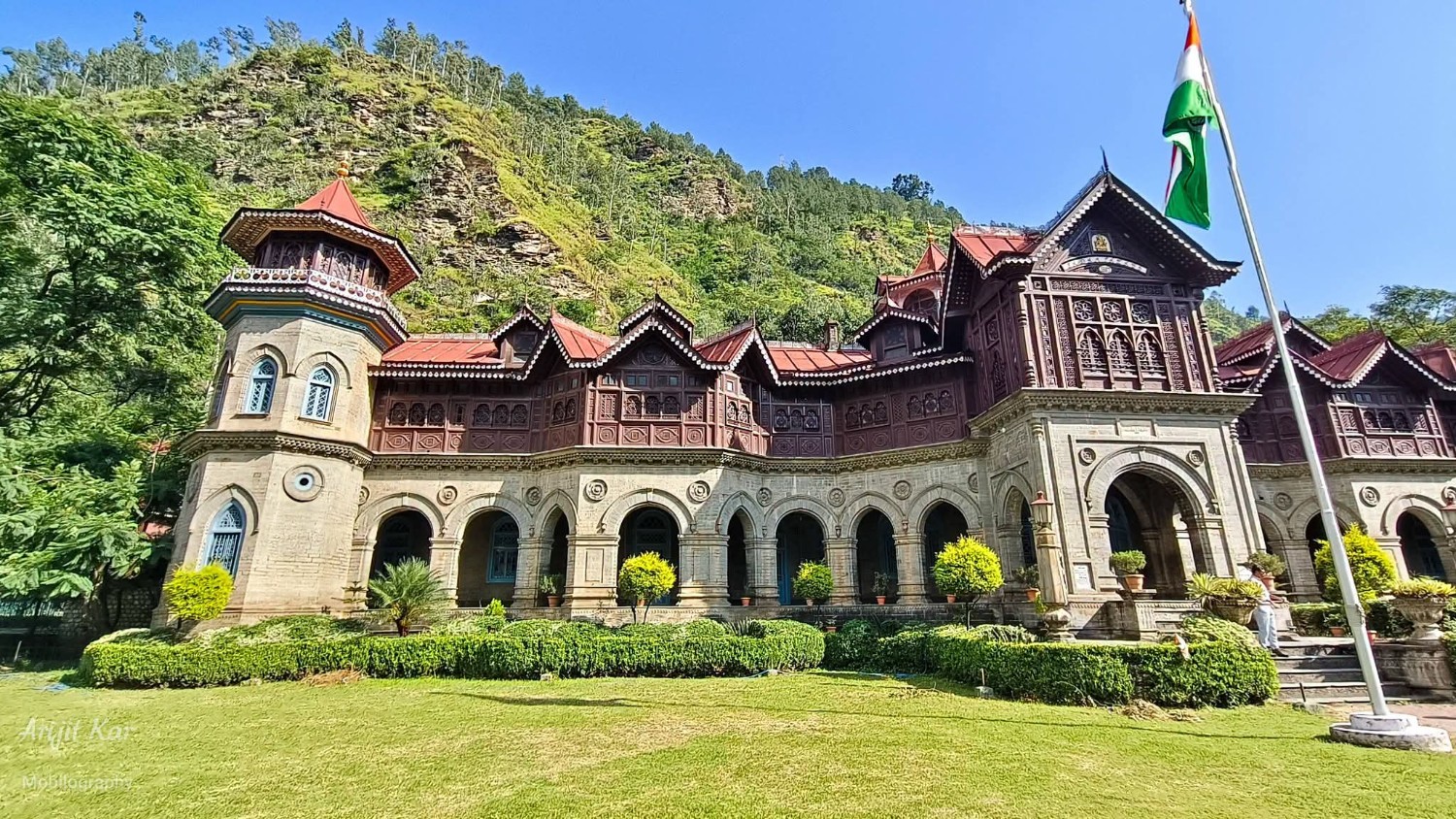
Explore Rampur Bushahr: Heritage, Culture and Tourist Places Rampur Bushahr is a historic town in Shimla district, Himachal Pradesh, situated along the Sutlej River. Once an important centre of the former Bushahr princely state, Rampur developed as a trading town with historical links to Tibet and other Himalayan regions. Today, it attracts visitors interested in local history, traditional architecture, religious sites and the cultural life of the Sutlej Valley. Unlike destinations known mainly for snow activities or crowded hill-station markets, Rampur offers a mix of heritage, riverside scenery and regional traditions. It is also a convenient stop for travellers heading from Shimla towards Kinnaur. Famous Tourist Places in Rampur Bushahr 1. Padam Palace Padam Palace is one of Rampur's best-known heritage landmarks. Built in 1917 during the rule of Raja Padam Singh, the palace reflects a blend of hill architecture and colonial influences, with distinctive wooden detailing and traditional design elements. Visitors interested in the history of the Bushahr rulers can appreciate its exterior architecture and heritage setting. Access to interior areas may be restricted, so check locally before planning an indoor visit. 2. Thungyur Lakhang Thungyur Lakhang is a Buddhist temple located in the town's market area. Its pagoda-inspired architecture and prayer wheels reflect the region's wider cultural connections with Himalayan Buddhist traditions. It offers a quieter cultural stop for visitors exploring Rampur on foot. 3. Historic Temples and Local Heritage Rampur has historic religious sites and traditional buildings that reflect its long-standing cultural identity. Visitors can explore the town's temples, old streets and market areas while respecting local worship practices. Verify individual temple locations and visiting access locally, as facilities and opening arrangements may vary. 4. Sutlej River and Riverside Views The Sutlej River is an important part of Rampur's landscape and history. The river valley provides scenic views along the town and surrounding road routes. Visitors can enjoy suitable public viewpoints, but should avoid entering the river or approaching steep banks where conditions may be unsafe. 5. International Lavi Fair The International Lavi Fair is one of Rampur's most significant cultural events. Traditionally held in November, the fair reflects the town's historic trading connections with Tibet and other trans-Himalayan regions. Visitors may find traditional handicrafts, woollen products, dry fruits, local food, market stalls and cultural performances. Check the announced programme and dates before travelling, as event arrangements can change each year. Things to Do in Rampur Bushahr Explore the architecture and heritage setting of Padam Palace. Visit Thungyur Lakhang and learn about local Buddhist traditions. Walk through the town's market areas and observe everyday life in the Sutlej Valley. Enjoy river-valley views from safe, accessible locations. Experience the International Lavi Fair if your visit coincides with the event. Sample local food and browse regional products. Use Rampur as a stopover while travelling between Shimla and Kinnaur. Best Time to Visit Rampur Bushahr Rampur can be visited throughout the year, but the best time depends on your travel plans. March to June: A practical period for sightseeing, exploring the town and continuing towards nearby mountain destinations. July to September: The surrounding valley can look lush, but heavy rain, landslides and road disruptions are possible during the monsoon. Check road conditions before travelling. October to November: A good period to experience autumn scenery and, if dates align, the International Lavi Fair. Confirm the year's official schedule before booking. December to February: Winter conditions can bring colder temperatures and challenging road conditions in the wider region. Carry suitable warm clothing and check weather and road updates. How to Reach Rampur Bushahr By road: Rampur is connected by road to Shimla and the Sutlej Valley. Himachal Tourism describes it as approximately 125 km from Shimla, though actual travel distance and time depend on the route and road conditions. Buses and taxis operate on routes serving Rampur. By bus: Travellers can look for buses from Shimla and other connected towns. Timetables may vary by season, so check current services before departure. By train: Rampur does not have a broad-gauge railway station. Travellers generally reach the Shimla region by road or use the Kalka–Shimla rail route for part of their journey before continuing by road. By air: Jubbarhatti Airport serves the Shimla region, but flight availability can be limited and is subject to operational conditions. From the Shimla area, continue towards Rampur by road. Nearby Places to Consider Rampur can be included in a wider itinerary through the Sutlej Valley and towards Kinnaur. Sarahan, known for Bhimakali Temple, is a separate destination and can be considered as part of a regional trip rather than described as being inside Rampur town. Other mountain destinations should be planned according to route, road conditions and available time. Travel Tips for Rampur Bushahr Allow time for the winding mountain roads when planning onward travel. Check weather forecasts and road conditions, especially during the monsoon and winter. Confirm local access arrangements before visiting palace interiors or religious sites. If visiting during Lavi Fair, check official dates, accommodation availability and transport arrangements early. Carry cash for small local purchases where digital payments may not be accepted. Respect local customs and ask permission before photographing people or religious activities. Rampur Bushahr is worth considering for travellers who want to explore Himachal Pradesh beyond its best-known hill stations. Its historic palace, Buddhist heritage, traditional market culture and connection to the Sutlej Valley make it a useful destination for a heritage-focused stop or a longer road trip towards Kinnaur.
Rohru
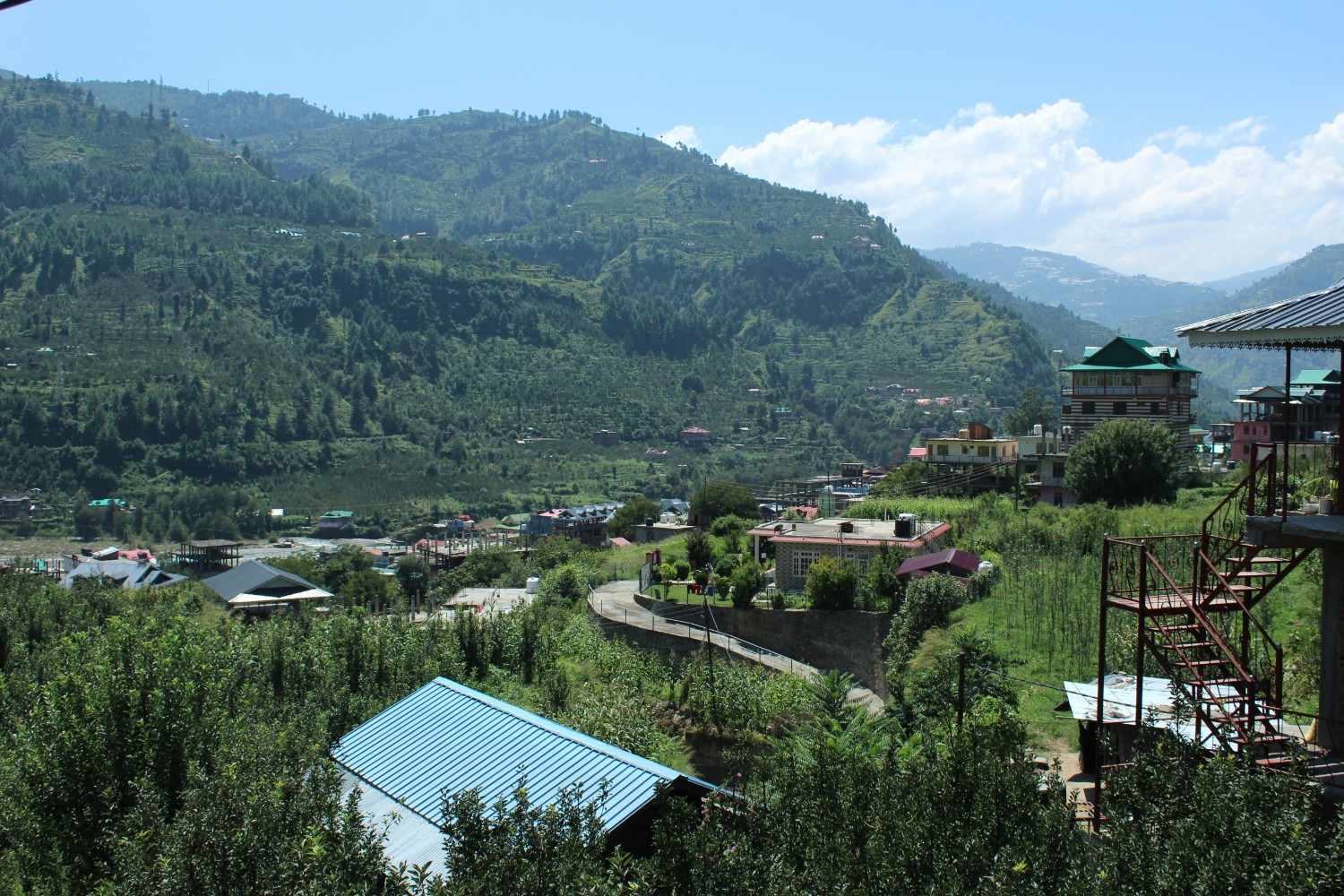
Introduction to Rohru, Himachal Pradesh Rohru is a scenic hill town in Shimla district, Himachal Pradesh, known for its peaceful mountain surroundings, apple orchards, the Pabbar River and access to the beautiful Chanshal Valley. Located away from the busy tourist centres of Shimla and Kufri, Rohru offers a quieter experience for travellers who enjoy nature, local culture and offbeat destinations. Whether you are planning a weekend getaway, a road trip through the mountains or a longer journey into the Pabbar Valley, there are several places to explore in and around Rohru. Visitors can enjoy riverside views, discover traditional villages, visit nearby temples and travel towards Chanshal Pass when road conditions permit. This Rohru travel guide covers the best places to visit, things to do, the ideal time to plan your trip, how to reach Rohru and practical tips for a comfortable journey. Best Tourist Places in Rohru 1. Pabbar River The Pabbar River is one of the natural highlights of the Rohru region. Flowing through the valley, it adds to the area's peaceful landscape and attracts visitors who enjoy riverside scenery, photography and quiet breaks during a mountain trip. You can explore suitable viewpoints around the river and enjoy the surrounding hills and fresh mountain air. Always keep a safe distance from the water, especially during rainfall or when the current is strong. Best for: Nature lovers, photography and peaceful sightseeing. 2. Chanshal Pass Chanshal Pass is among the most remarkable destinations to explore from Rohru. Located in the higher Himalayan region, it is known for expansive mountain views, open slopes and the rugged scenery of Chanshal Valley. The pass connects the Rohru side of the region with the remote Dodra Kwar valley via the mountain road. It is also associated with trekking and other outdoor adventures. Source: Shimla district administration The journey towards Chanshal Pass is an experience in itself, passing through mountain landscapes and villages. The road is seasonal and can close because of snow, so confirm the latest local road conditions before travelling. Avoid attempting the route in unsuitable weather or without adequate preparation. Best for: Mountain views, road trips, adventure and landscape photography. 3. Rohru Town and Local Market Rohru town is a convenient base for exploring the surrounding Pabbar Valley. Its local market is useful for buying everyday essentials, arranging transport and experiencing the routine life of a Himachali hill town. Spend some time walking through the market, trying local food where available and speaking with local residents to learn more about the region. Rohru is also a practical stop for travellers preparing to continue towards Chirgaon, Larot and other destinations in the valley. Best for: Local experiences, shopping for essentials and trip planning. 4. Apple Orchards of Rohru Rohru and the surrounding areas are known for apple cultivation. During the growing season, the hillsides and villages can offer beautiful views of orchards set against the mountain landscape. The experience changes with the season. Visitors may see blossoms in spring and developing fruit during summer, while the harvest period generally brings activity to apple-growing areas. Exact timing varies with altitude, weather and local growing conditions. If you want to visit an orchard, ask the owner for permission before entering, taking photographs or handling fruit. Not every orchard is open to tourists. Best for: Rural experiences, seasonal scenery and photography. 5. Chirgaon Chirgaon is a settlement in the wider Rohru region and can be included in a road trip through the Pabbar Valley. The surrounding landscape features mountain slopes, villages and agricultural areas that give visitors a glimpse of life beyond the better-known Himachal tourist towns. It can be a worthwhile stop for travellers exploring the region at a relaxed pace. Check local transport and road conditions if you plan to travel beyond the main town. Best for: Village scenery and exploring the Pabbar Valley. 6. Larot Village Larot is an important stop on the route towards Chanshal Pass. The village provides a glimpse of the quieter mountain settlements found in the upper part of the Rohru region. Travellers often include Larot in their plans when exploring the Chanshal area. Since the route goes into a high-altitude landscape, check the weather forecast, fuel availability and road status before leaving Rohru. Best for: Mountain road trips, village scenery and access towards Chanshal. 7. Hatkoti Temple Hatkoti Temple is a notable religious and cultural attraction in the wider Jubbal area, which can be explored as part of a trip around Rohru. The temple complex is associated with the region's local traditions and attracts devotees as well as visitors interested in Himachal Pradesh's temple heritage. If you are planning to visit Hatkoti from Rohru, allow extra time for the road journey and check local conditions before setting out. Visitors should dress respectfully and follow the temple's local customs. Best for: Religious visits, cultural interest and heritage exploration. 8. Pabbar Valley Pabbar Valley is the broader mountain landscape that makes Rohru a rewarding destination for travellers who prefer quieter places. The valley combines river scenery, forested slopes, apple-growing villages and routes leading towards higher mountain areas. Instead of rushing through several stops in one day, consider taking time to enjoy the views, explore accessible villages and stop at safe roadside viewpoints. Conditions can change quickly in the mountains, particularly during the rainy season and winter. Best for: Scenic drives, nature photography and relaxed mountain holidays. Things to Do in Rohru Rohru is better suited to nature-based travel and exploring the surrounding region than to a packed sightseeing schedule. Depending on the season and local conditions, you can: Enjoy views of the Pabbar River and surrounding mountains. Explore the local market and sample regional food. Take a scenic drive through accessible parts of Pabbar Valley. Visit apple-growing villages during the appropriate season. Plan a road trip towards Larot and Chanshal Pass when the route is open. Visit Hatkoti Temple and explore the area's cultural heritage. Photograph mountain landscapes, villages and seasonal scenery. Use Rohru as a base for carefully planned excursions into the surrounding region. Best Time to Visit Rohru The best time to visit Rohru depends on the type of experience you want. Spring and summer are suitable for enjoying greenery, village scenery and relatively comfortable daytime conditions. The monsoon season can bring lush landscapes but may also cause heavy rain, landslides and road disruptions. Autumn can offer pleasant conditions for exploring the valley, while winter brings colder weather and possible snow at higher elevations. For Chanshal Pass, timing is especially important because snow can affect road access. The pass road is generally seasonal, with access often possible during the warmer months, but actual opening and closing dates vary. Confirm the current status locally before travelling. How to Reach Rohru By Road Road travel is the most practical way to reach Rohru. Visitors commonly travel from Shimla through the connecting hill roads towards Rohru. Travel time depends on the route, traffic, weather and road conditions, so allow extra time rather than relying on a fixed estimate. By Bus Bus services connect Rohru with Shimla and other places in the region. Services and departure times may vary, so confirm the current timetable at the bus stand before travelling. By Train Rohru does not have its own major railway station. Travellers can reach the Shimla or Kalka rail connections and continue by road. Check current train schedules and onward transport arrangements before departure. By Air For air travel, check flights serving Shimla or Chandigarh and arrange onward road transport to Rohru. The most practical airport depends on current flight availability, fares and your starting location. Suggested Rohru Travel Itinerary One-Day Trip Explore Rohru town and the local market. Visit accessible viewpoints around the Pabbar River. Enjoy a relaxed drive through nearby villages, depending on available time. Return to your accommodation in Rohru. Two-Day Trip Day 1: Arrive in Rohru, explore the town, enjoy the river scenery and experience the local market. Day 2: Take a road trip towards Chirgaon and Larot, or visit Hatkoti Temple. Choose the route according to your interests and current road conditions. Three-Day Trip Day 1: Explore Rohru town, the Pabbar River and nearby accessible viewpoints. Day 2: Discover the villages and landscapes around the Pabbar Valley, allowing time for stops and photography. Day 3: If the road is open and conditions are suitable, plan an excursion towards Chanshal Pass via Larot. Otherwise, choose a lower-altitude village excursion or a relaxed day around Rohru. Travel Tips for Rohru Check the weather forecast and road conditions before leaving for higher-altitude areas. Carry warm clothing, even when visiting during warmer months. Keep sufficient fuel and cash for journeys beyond the main town. Do not assume that Chanshal Pass is accessible throughout the year. Avoid driving on unfamiliar mountain roads after dark whenever possible. During the monsoon, watch for landslides and follow local travel advisories. Respect village customs and ask permission before photographing people or entering private property. Do not litter, and avoid approaching riverbanks when the water is fast-flowing. If trekking, check the route difficulty and arrange suitable equipment and local guidance.
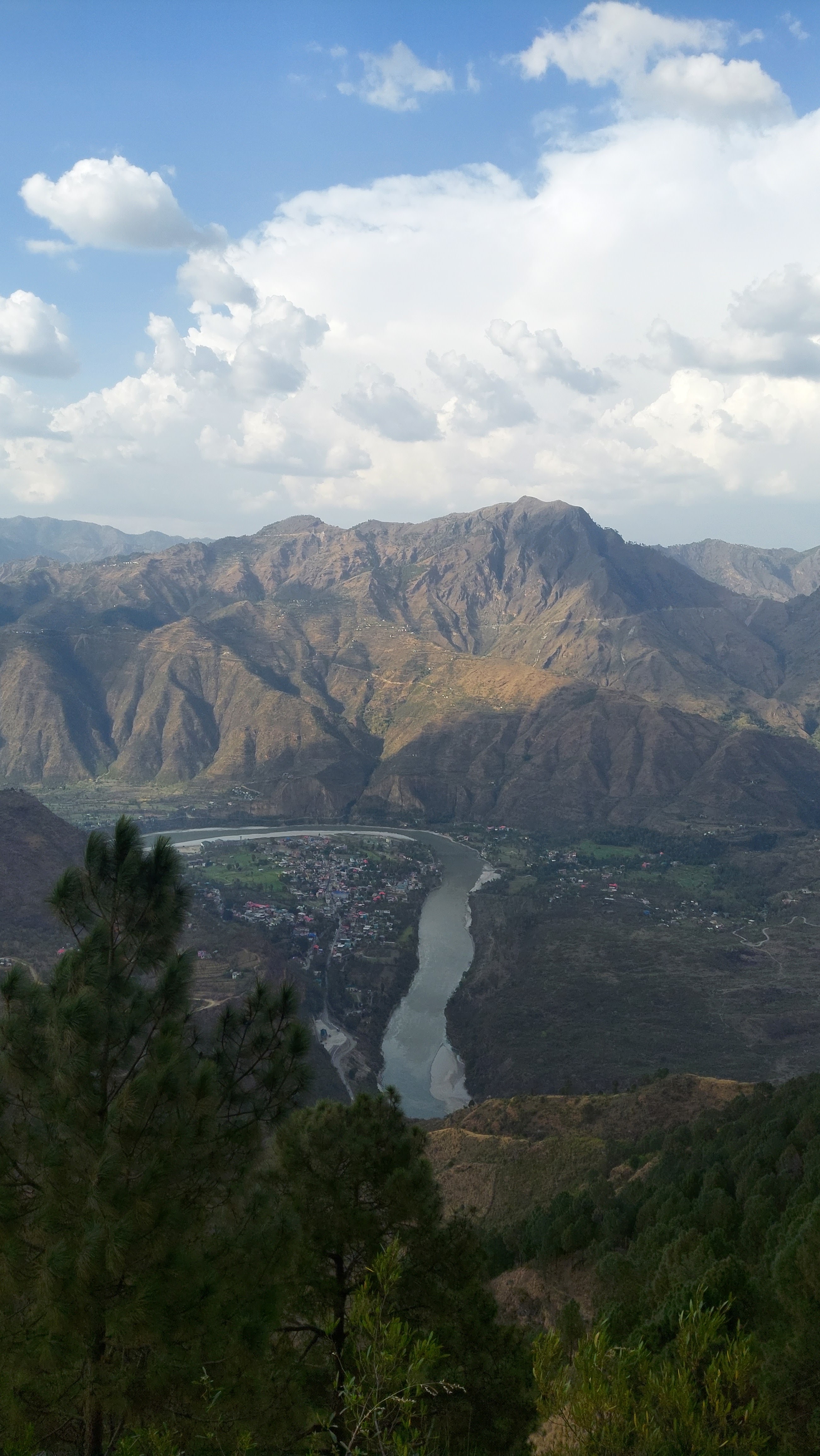
Sunni
Sunni, Himachal Pradesh: A Guide to the Riverside Town Sunni is a small town in Shimla district, Himachal Pradesh, situated near the Sutlej River. Away from the busy streets of Shimla, it offers a quieter setting with valley views, winding mountain roads and a glimpse of everyday life in the hills. Its location makes it a useful stop for travellers exploring the Sutlej Valley and nearby destinations. If you are looking for a less-crowded place to explore around Shimla, Sunni can be considered for a short road trip. The experience here is less about major tourist attractions and more about riverside scenery, local surroundings and discovering a different side of the district. What Makes Sunni Worth Visiting? Sunni offers a different experience from Himachal Pradesh's more commercial hill stations. The town has a local market, access to scenic stretches of the Sutlej Valley and a setting that suits travellers who enjoy relaxed drives and small-town experiences. Its location is also useful when planning a wider trip towards Tattapani and other destinations in the region. Depending on your route and available time, you can include Sunni as a short stop or spend longer exploring the surrounding landscape. Sunni is best suited to visitors who enjoy nature, photography and exploring places at a relaxed pace rather than following a packed sightseeing schedule. Places to Visit in Sunni 1. Sutlej River The Sutlej River is one of the defining natural features of the area. Flowing through the valley, it adds to the scenery around Sunni and makes the surrounding roads interesting for nature lovers and photographers. You can enjoy views of the river from suitable public-access points along the route. The landscape changes with the season, with greener surroundings during the warmer months and different colours across the valley in autumn. Take care when approaching the river. Avoid slippery banks, fast-flowing water and isolated spots, particularly after rainfall. Best for: Scenic views, photography and relaxed drives. 2. Sunni Town and Local Market Exploring the local market is a simple way to experience everyday life in the town. Small shops and local businesses serve residents as well as travellers passing through the area. The market is useful for refreshments and basic travel supplies. However, Sunni is not a major shopping destination, so it is better to approach this stop as a local cultural experience rather than a full shopping outing. Best for: Short walks, local atmosphere and refreshments. 3. Sunni Forest Rest House Area The Forest Rest House area is a notable local point of interest near the Sutlej River. It reflects the region's forest heritage and may appeal to visitors interested in quiet surroundings and the history of local infrastructure. Access to the property and any accommodation facilities should be confirmed before visiting. Do not assume that every part of the premises is open to the public. Best for: Forest surroundings and local heritage. 4. Suspension Bridge Near Sunni A suspension bridge in the surrounding area is another feature worth checking out when planning local sightseeing. Bridges and river crossings are an important part of travel through Himachal's hilly terrain, where roads and settlements often follow the shape of the valleys. Before visiting, confirm the current access arrangements and whether pedestrians are permitted to use the bridge. Avoid crossing during unsafe weather or when river conditions are dangerous. Best for: Local exploration and photography, subject to access. Places to Explore Near Sunni Sunni can also be included in a broader itinerary around Shimla district and the Sutlej Valley. The following destinations may be suitable additions depending on your route, travel time and road conditions. 1. Tattapani Tattapani is a well-known destination along the Sutlej River, associated with natural hot-water springs and riverside scenery. It is a popular option for travellers interested in combining mountain drives with a visit to the river valley. Depending on the season and current operating conditions, some river-based activities may be available. Check local safety arrangements, operator credentials and prices before booking any adventure experience. If you are planning to visit both Sunni and Tattapani, check the road route beforehand and allow enough time to enjoy each stop without rushing. Best for: Hot springs, river scenery and a longer day trip. 2. Naldehra Naldehra is known for its deodar forests, green landscapes and golf course. It provides a forested mountain setting that differs from the riverside surroundings of Sunni. You can consider Naldehra as part of a wider Shimla-region itinerary. Whether it fits comfortably into the same day depends on your starting point, road conditions and the time you want to spend at each destination. Best for: Forest scenery, nature walks and a relaxed outing. 3. Shimla Shimla is the main hill-station destination in the district and offers a wider range of sightseeing options, accommodation and visitor facilities. Popular areas include The Ridge, Mall Road and Jakhu Temple. Sunni can be included in a longer trip that begins or ends in Shimla. If you have limited time, it is worth planning your route carefully rather than trying to cover every destination in a single day. Best for: Heritage attractions, shopping, cafés and a wider choice of accommodation. Things to Do in Sunni Although the town has a relatively small sightseeing area, there are several ways to enjoy a visit: Enjoy the Sutlej Valley scenery: Stop at safe viewpoints and take in the surrounding hills. Explore the local market: Discover the town's everyday atmosphere and pick up refreshments. Take a scenic road trip: Enjoy the mountain roads while allowing extra time for traffic and changing weather. Explore local heritage: Learn about the area's history and its connection with the former Bhajji princely state. Plan a visit to Tattapani: Add the hot springs and other local experiences to a longer itinerary. Take photographs: Capture the river, valley landscape and surrounding hills from safe, permitted locations. Adventure tourism has also attracted attention in the wider Sunni area. However, the availability of individual activities can change, so confirm current operators and safety arrangements before making plans. Best Time to Visit Sunni The best time to visit Sunni depends on your plans and the weather conditions during your trip. March to June Spring and early summer are generally suitable for sightseeing and road trips. The weather is often more comfortable for exploring the town and surrounding valley, although temperatures can change with altitude and local conditions. July to September The monsoon brings greener landscapes, but heavy rainfall can create difficult driving conditions. Landslides, slippery roads and rising river levels are possible, so check local weather and road updates before travelling. October to November Autumn can be a pleasant period for scenic drives and photography. Clear days may offer good views across the valley, although weather conditions are not guaranteed. December to February Winter can bring cold mornings and chilly evenings. Carry warm clothing and check the forecast before travelling, especially if you plan to explore higher or more exposed areas nearby. For a relaxed sightseeing trip, March to June and October to November are useful periods to consider. Always base your final decision on the latest weather and road conditions. How to Reach Sunni By Road Road travel is the most practical way to reach Sunni. Travellers can approach from Shimla by private car, taxi or available public transport. Sunni is roughly 50–60 km from Shimla by road, depending on the route and exact starting point. Travel time can vary with traffic, roadworks, weather and driving conditions, so check navigation directions before departure. Mountain roads may include narrow sections and sharp bends. Drive carefully, avoid unnecessary stops on the carriageway and try to complete unfamiliar routes during daylight. By Train Sunni does not have a major railway station of its own. Travellers can use a suitable rail connection for their wider Himachal itinerary and continue to Sunni by road. Shimla or another railhead may be appropriate depending on where you are travelling from. Check train availability and the onward road route before booking. By Air Shimla Airport at Jubbarhatti may be an option when suitable flights are operating. You would need to continue towards Sunni by road after arriving. Chandigarh Airport may also be considered depending on your flight options and onward travel plans. Compare the complete journey rather than choosing an airport based on distance alone. Suggested One-Day Itinerary If you want to explore Sunni on a short trip, keep your schedule flexible. Morning Travel to Sunni and explore the local market. Enjoy the surrounding valley scenery from safe public-access points. Afternoon Visit the Forest Rest House area or nearby suspension bridge if access is permitted. Take a break for lunch and enjoy a relaxed drive through the surrounding area. Later in the Day If road conditions and available time allow, continue towards Tattapani. Otherwise, return to Shimla without rushing the journey. If Tattapani is a priority, plan the route around it from the beginning. Trying to combine several distant stops in one day can leave too little time for sightseeing and make the return drive tiring. Travel Tips for Sunni Check weather forecasts and road conditions before leaving. Start early if you plan to visit multiple destinations. Carry drinking water, cash and basic travel supplies. Avoid approaching the river during heavy rainfall or when the water is fast-flowing. Respect access restrictions around forest property and other local facilities. Confirm adventure activities, prices and safety arrangements before paying. Avoid driving unfamiliar mountain roads late at night when possible. Do not leave plastic or other waste behind. Is Sunni Worth Visiting? Sunni is worth considering if you want to explore a quieter part of Shimla district and enjoy the scenery around the Sutlej River. Its local market, forest surroundings and access to destinations such as Tattapani make it a useful stop on a wider road trip. However, travellers expecting a large collection of established tourist attractions, extensive shopping or a busy hill-station atmosphere may prefer to spend more time in Shimla. Sunni's appeal lies in its small-town character, river-valley setting and the journey through the surrounding hills. For the best experience, keep your itinerary realistic, check road conditions and treat Sunni as a relaxed stop rather than trying to fit too many destinations into a single day.
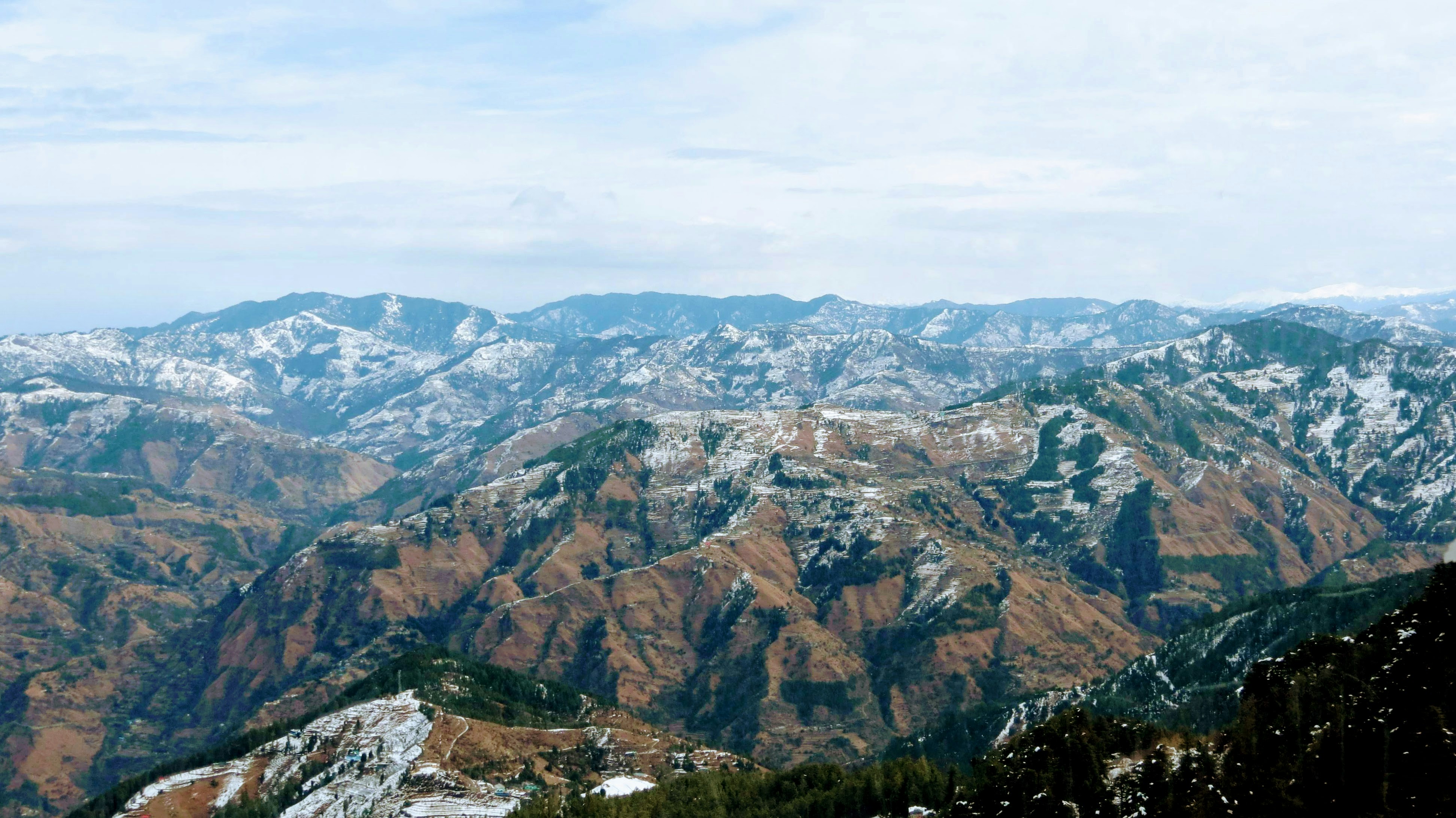
Kufri
Places to Visit in Kufri, Himachal Pradesh Kufri is a popular hill destination in Shimla district, Himachal Pradesh, known for its mountain scenery, winter snow activities, forest landscapes and family-friendly attractions. Located around 20 km from Shimla by road, Kufri is a convenient choice for travellers who want to explore the hills without planning a long journey from the city. The main attractions include Mahasu Peak, Himalayan Nature Park, Kufri Fun World and Indira Tourist Park. Visitors can enjoy scenic viewpoints, nature walks, seasonal snow activities and short excursions towards Fagu. Winter attracts visitors hoping to experience snowfall, while spring and summer are suitable for sightseeing and exploring the surrounding hills. Kufri can be visited as a day trip from Shimla, although travellers who prefer a quieter mountain stay can spend a night in the surrounding area. The experience depends on the season, road conditions and which attractions are open during the visit. Why Visit Kufri? Kufri offers a mix of outdoor experiences and accessible sightseeing. Its proximity to Shimla makes it popular among families, couples, groups of friends and travellers visiting Himachal Pradesh for the first time. The destination is particularly known for: Winter scenery and opportunities for snow play when conditions allow. Mountain views around Mahasu Peak. Himalayan wildlife and forest surroundings at Himalayan Nature Park. Amusement rides and recreational activities at Kufri Fun World. Scenic drives and countryside views towards Fagu. Easy access from Shimla for a half-day or full-day excursion. Kufri is not only a winter destination. During warmer months, visitors can enjoy fresh mountain air, green hills, forest landscapes and viewpoints without relying on snowfall. Best Places to Visit in Kufri 1. Mahasu Peak Mahasu Peak is one of the best-known sightseeing spots around Kufri. The elevated viewpoint offers views of the surrounding mountain landscape when the weather is clear. The route towards the upper area may involve walking or locally operated pony rides, depending on access and ground conditions. During winter, snow may cover the surrounding slopes, making the area attractive for visitors looking for a seasonal mountain experience. In other months, the appeal lies in the forest trail, open views and peaceful natural surroundings. Travel tip: Ask about the route, total fare and what is included before booking a pony ride. Wear sturdy footwear because trails can become muddy or slippery. 2. Himalayan Nature Park, Kufri Himalayan Nature Park is a major attraction for visitors interested in wildlife and nature. The park is set among forested surroundings and provides an opportunity to learn about animals and birds associated with the Himalayan region. It is a useful stop for families and nature enthusiasts who want a break from the busier activity areas. Allow enough time to explore the park at a relaxed pace, and check current visiting hours and entry arrangements before travelling. Best for: Wildlife interest, nature walks, families and visitors who prefer a quieter sightseeing experience. 3. Kufri Fun World Kufri Fun World is an amusement attraction known for recreational rides and go-karting. It can be a suitable addition to a family itinerary, particularly for travellers visiting with older children or groups who want activities beyond viewpoints and nature walks. The activities available may vary with weather, maintenance and operating conditions. Check which rides are running before planning your visit around a particular activity. Best for: Families, groups and visitors looking for amusement rides. 4. Indira Tourist Park Indira Tourist Park is a recreational stop near the main Kufri sightseeing area. Visitors come here to relax, enjoy the surrounding mountain scenery and take a break between other attractions. It can fit into a short itinerary, especially when travelling with family members who prefer easy-access sightseeing over longer walks. Facilities and activities should be checked locally before your visit. 5. Green Valley Viewpoint Green Valley is a scenic stop on the road between Shimla and the Kufri area. It is known for forested mountain slopes and opportunities to photograph the landscape when visibility is good. Many travellers include this viewpoint on the way to or from Kufri rather than treating it as a separate full-day attraction. Stop only at safe, permitted parking areas and avoid standing on the carriageway for photographs. 6. Fagu Fagu is a nearby mountain destination that can be added to a Kufri trip if you have extra time. Its rural surroundings, terraced slopes, orchards and valley views offer a different atmosphere from Kufri's busier activity zones. The landscape changes with the season, so the scenery may look quite different during winter, spring and summer. Fagu is a good option for travellers who enjoy scenic drives and quieter countryside views. 7. Nag Devta Temple The Nag Devta Temple is associated with the local religious and cultural landscape around Kufri and the Mahasu Peak route. Visitors interested in local traditions may wish to include a temple stop while exploring the area. Dress respectfully, follow local customs and check access conditions if you are visiting during snow or poor weather. Things to Do in Kufri The best activities in Kufri depend on the season and current conditions. Enjoy mountain viewpoints: Visit Mahasu Peak and scenic roadside viewpoints for views of the surrounding hills. Look for seasonal snowfall: During suitable winter weather, some areas may offer opportunities for playing in the snow. Try winter sports: Skiing or other snow activities may be available when there is sufficient snow and local operators are running. Explore Himalayan wildlife: Spend time at Himalayan Nature Park and learn about regional wildlife. Visit an amusement park: Consider Kufri Fun World if rides or go-karting appeal to your group. Take a scenic drive: Explore the countryside towards Fagu and enjoy the changing mountain landscape. Photograph the scenery: Choose safe viewpoints and check visibility before planning photography stops. Snow activities, rides and pony services are seasonal or operator-dependent. Do not assume that every activity will be available on the day of your visit. Best Time to Visit Kufri Kufri can be visited throughout much of the year, but the ideal time depends on what you want to experience. Winter: December to February Winter is the preferred season for many visitors hoping to see snow. Snowfall is weather-dependent and cannot be guaranteed on specific travel dates. Roads can become slippery or congested during heavy snowfall, so check local conditions before leaving Shimla. Spring and Summer: March to June These months are generally suitable for sightseeing, outdoor activities and exploring the surrounding hills. The landscape becomes greener as the weather warms up, although temperatures and visibility can vary. Monsoon: July to September Rain can make mountain roads and walking trails slippery. Landslides, traffic disruptions and poor visibility may affect travel during periods of heavy rain. Check road conditions before setting out and avoid exposed trails during bad weather. Autumn: October to November Autumn can be a pleasant period for scenic drives and mountain views. Temperatures fall as winter approaches, so carry warm clothing and check the forecast before travelling. Kufri Snowfall: When Can You See Snow? Kufri is associated with winter snowfall, but the timing and amount vary from year to year. December to February is a useful general window for travellers hoping to see snow, although actual conditions depend on weather patterns and recent precipitation. Before booking a snow-focused trip, check the latest local weather and road updates. A cold day does not necessarily mean fresh snow will be present, and snow activities may not operate without suitable conditions. If your main aim is to experience snow, keep your itinerary flexible rather than relying on a fixed date or a particular activity. How to Reach Kufri from Shimla By Road Kufri is around 20 km from Shimla by road, although the exact distance and journey time depend on your starting point and route. Taxis and local buses are commonly used for travel between Shimla and Kufri. Road travel is usually the most practical option for visitors who want to combine several sightseeing stops. During weekends, holidays and snowfall periods, allow extra time for traffic and possible road restrictions. By Train Shimla Railway Station is a nearby railhead for visitors travelling on the Kalka–Shimla railway. From Shimla, continue to Kufri by taxi or bus. Travellers arriving at Kalka by broad-gauge train need to plan the onward journey separately, whether by the heritage railway or by road. By Air Shimla Airport at Jubbarhatti and Chandigarh Airport are possible air gateways, depending on flight availability and your travel plans. From the airport, continue by road to Shimla and then towards Kufri. Compare the complete journey time, flight schedules and road transfer requirements before choosing an airport. Kufri Distance from Major Places The following distances are approximate road-planning references and can vary by route and starting point. Starting point Approximate distance Shimla Around 20 km Fagu A short drive beyond Kufri; distance depends on the route Chandigarh Plan a longer road journey via the Shimla region Kalka Continue by road or via the Kalka–Shimla railway to Shimla For accurate journey planning, check your route from your actual hotel, bus stand, railway station or airport rather than relying on a single distance figure. Suggested One-Day Kufri Itinerary A day trip from Shimla can cover the main attractions if you start early and keep the schedule flexible. Morning Travel from Shimla towards Kufri. Stop at Green Valley if parking and traffic conditions allow. Visit Himalayan Nature Park, allowing enough time to explore. Late morning to afternoon Continue towards Mahasu Peak and explore the accessible viewpoint area. Take a break for lunch. Visit Kufri Fun World if the activities you want are operating. Afternoon Stop at Indira Tourist Park or enjoy the surrounding scenery. If time and road conditions permit, continue towards Fagu for countryside views. Return to Shimla before it gets late, particularly in winter or during poor weather. This is a flexible plan rather than a guaranteed timetable. Travel times, queues, weather and activity availability can change how much you can cover. Travel Tips for Visiting Kufri Start early during weekends and peak holiday periods to reduce the impact of traffic. Carry warm layers even in warmer months, as mountain weather can change quickly. In winter, use footwear with good grip and check road conditions before travelling. Confirm current entry fees, opening hours and activity prices directly before your visit. Agree on pony-ride fares and the route before starting. Follow wildlife-park rules and do not feed or disturb animals. Use designated stopping areas for photographs and avoid blocking mountain roads. Keep extra time in your schedule during snowfall, rain or holiday traffic. Carry drinking water and basic essentials, especially when travelling with children or older adults. Is Kufri Worth Visiting? Kufri is worth considering if you are staying in Shimla and want a short mountain excursion with scenic viewpoints, wildlife, family activities and the possibility of seasonal snow. It offers a mix of experiences rather than one single attraction, so travellers can choose stops according to their interests and available time. For a first visit, Mahasu Peak and Himalayan Nature Park make useful starting points. Add Kufri Fun World if you want amusement activities, or include Fagu if you prefer scenic countryside. If seeing snow is your main priority, check the latest conditions before finalising your plans.
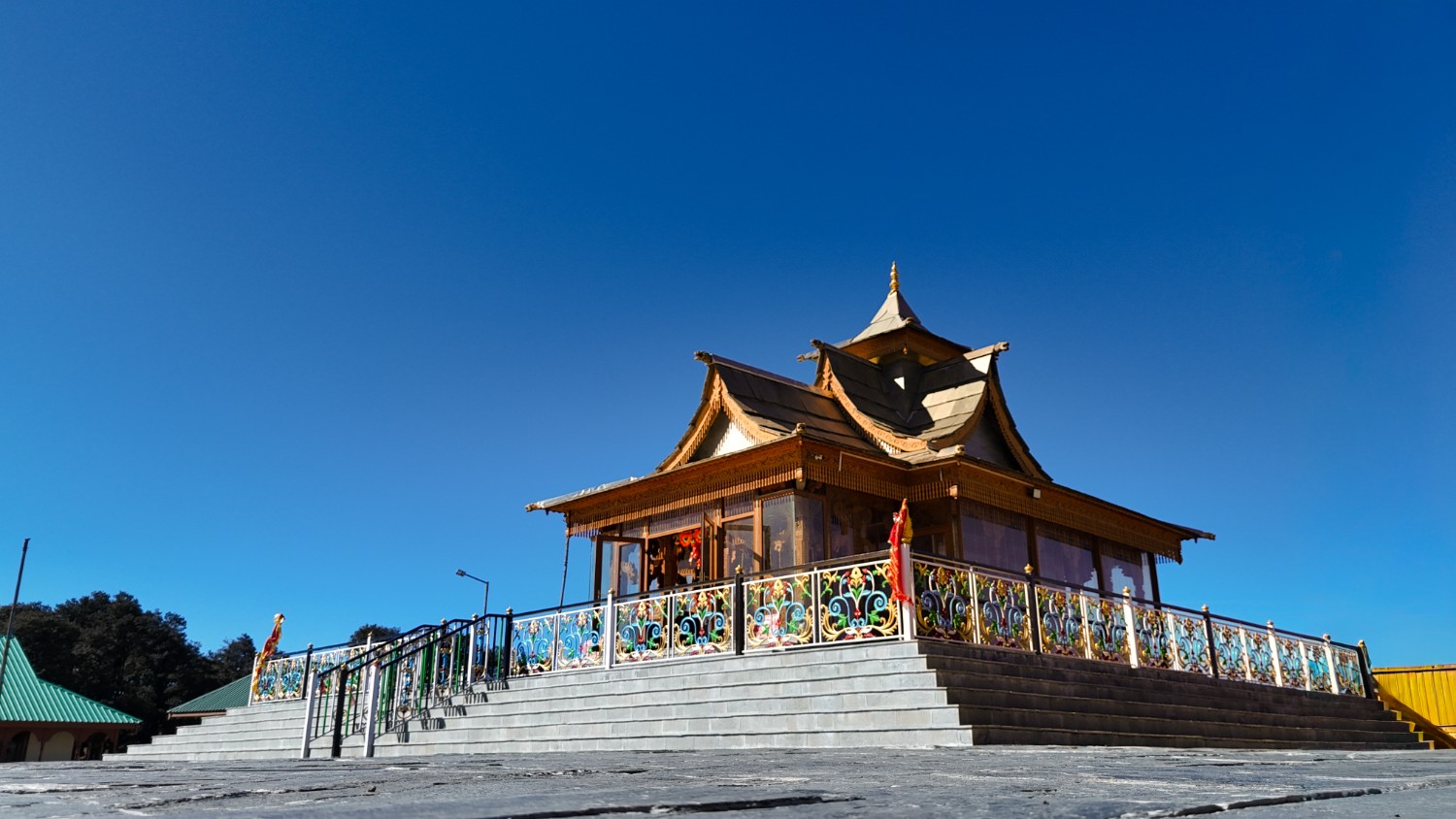
Narkanda
Places to Visit in Narkanda: A Complete Travel Guide Narkanda is a peaceful hill destination in Shimla district, Himachal Pradesh, known for its mountain views, dense forests, apple orchards and winter snowfall. Located approximately 60–65 km from Shimla along the Hindustan–Tibet Road, it offers a quieter mountain experience for travellers heading beyond the more crowded attractions around Shimla. The most popular attraction is Hatu Peak, home to Hatu Mata Temple and panoramic views of the surrounding mountains. Other places to explore include Tani Jubbar Lake, the skiing slopes near Narkanda and the apple-growing villages of Thanedar and Kotgarh. Whether you are planning a summer road trip, a winter visit for possible snowfall or a weekend in the hills, this guide to places to visit in Narkanda covers the main attractions, activities, travel seasons and practical tips to help you plan your journey. Best Places to Visit in Narkanda 1. Hatu Peak Hatu Peak is the most prominent attraction in Narkanda and a highlight for travellers who enjoy mountain scenery. Situated at approximately 3,400 metres above sea level, the peak offers sweeping views of forested slopes, valleys and Himalayan landscapes on clear days. The journey from Narkanda town to Hatu Peak passes through winding mountain roads and dense forests. Visitors can travel towards the summit by road when conditions permit or hike along the route. The road is narrow in places, so drive carefully and check local conditions during winter or after heavy rain. Hatu Peak is particularly attractive for photography, peaceful mountain views and short trekking excursions. Start early if you want more time at the summit and a better chance of enjoying clear morning views. Best for: Mountain views, photography, trekking and nature lovers. 2. Hatu Mata Temple Hatu Mata Temple stands near the summit of Hatu Peak and is one of the region's best-known religious sites. The wooden temple architecture and mountain setting make it a distinctive stop for both pilgrims and travellers exploring the area. Local traditions and legends are associated with the temple, which holds cultural and religious importance for nearby communities. Visitors should dress respectfully, follow local customs and avoid disturbing worshippers. The temple visit is usually combined with Hatu Peak because both are located in the same area. In winter, snow and ice can affect access to the summit, so check road conditions before setting out. Best for: Religious visits, local heritage and mountain scenery. 3. Tani Jubbar Lake Tani Jubbar Lake is a small scenic lake surrounded by trees and mountain countryside near Narkanda. It offers a quieter alternative to the more prominent viewpoints and is suitable for travellers who want a relaxed stop during their trip. The surrounding landscape changes with the season. Greenery and pleasant weather can make the area attractive in warmer months, while mist and winter conditions create a different atmosphere. The lake is also associated with local religious and cultural traditions. Facilities in the immediate area may be limited, so do not rely on finding restaurants, shops or other services exactly when you arrive. Keep the surroundings clean and respect local customs. Best for: Quiet sightseeing, photography and a short nature break. 4. Narkanda Ski Slopes Narkanda has a history of winter skiing and is known for its snow-covered slopes when conditions are suitable. The area attracts visitors interested in trying skiing or enjoying the winter mountain landscape. Skiing opportunities depend on snowfall, snow depth, weather and the availability of local facilities or instructors. Do not assume that every winter visit will offer suitable skiing conditions. Confirm the current situation before travelling specifically for snow sports. If you are a beginner, seek guidance from an experienced instructor and use suitable equipment. Avoid skiing on unmarked or unsafe slopes. Best for: Winter visitors, beginners when instruction is available and snow enthusiasts. 5. Stokes Farm and Apple Orchards in Thanedar The villages around Thanedar and Kotgarh are known for apple cultivation and scenic orchard landscapes. The area is historically associated with Samuel Evans Stokes, later known as Satyanand Stokes, whose work helped develop commercial apple growing in Himachal Pradesh. Visiting this apple-growing belt provides a different experience from traditional hill-station sightseeing. Depending on the season, you may see blossoms, growing fruit or orchards during harvest time. Orchards and farms may be privately owned, and visitor access can vary. Ask permission before entering agricultural land or photographing people at work. Best for: Rural landscapes, agricultural heritage and seasonal photography. 6. Jau Baug Meadow Jau Baug is a meadow area associated with the Hatu Peak region. Its open landscape provides a contrast to the surrounding forest and can be a pleasant place to appreciate the mountain scenery. The visit can be combined with Hatu Peak, depending on your route, time and local conditions. Be prepared for changing weather, uneven ground and cooler temperatures at higher elevations. Best for: Nature lovers, scenic views and photography. 7. Mahamaya Temple, Kacheri Mahamaya Temple near the Kacheri area is an option for visitors interested in religious sites and the countryside around Narkanda. It can be considered as part of a broader local excursion rather than a substitute for the main Hatu Peak visit. Check the route and travel time before adding it to your itinerary, particularly if you are travelling by public transport or have only one day in the area. Best for: Religious tourism and exploring nearby villages. 8. Kotgarh and the Surrounding Apple Belt Kotgarh is a rural area known for apple orchards, mountain views and the agricultural landscape of the upper Shimla region. It is a good option for travellers who want to explore beyond the central Narkanda market and main attractions. The best experience depends on the season. Blossom periods and harvest time offer different scenery, while the rest of the year provides an opportunity to appreciate village life and the surrounding hills. Kotgarh is better suited to a relaxed drive with time for stops than a rushed sightseeing schedule. Best for: Scenic drives, orchard landscapes and rural experiences. Things to Do in Narkanda Narkanda is suitable for both short sightseeing trips and slower mountain holidays. Choose activities according to the season and local conditions. Visit Hatu Peak: Enjoy panoramic views and explore the area around Hatu Mata Temple. Go trekking: Walk through forested terrain towards Hatu Peak if weather and access conditions are suitable. Try skiing: Look for locally available instruction and equipment during periods with sufficient snow. Explore apple country: Visit the Thanedar and Kotgarh area to appreciate the region's agricultural landscape. Photograph the mountains: Clear mornings may provide excellent views, while changing weather creates different scenery. Visit Tani Jubbar Lake: Add a peaceful stop to your Narkanda itinerary. Enjoy a scenic road trip: Narkanda lies on a route used by travellers continuing towards Rampur and the Kinnaur region. Best Time to Visit Narkanda The best time to visit Narkanda depends on whether you prefer comfortable sightseeing, green landscapes or winter activities. March to June: This period is generally suitable for sightseeing, mountain drives and outdoor exploration. Temperatures are often more comfortable than in winter, although mornings and evenings can still be cool. July to September: The landscape becomes greener during the monsoon. However, heavy rain, mist, landslides and road disruption can affect travel. Check weather and road updates before leaving. October to November: These months can offer crisp weather, autumn scenery and clear mountain views. Conditions change quickly at higher elevations, so carry warm clothing. December to February: Winter brings colder temperatures and the possibility of snowfall. Skiing and snow activities depend on actual snow conditions, and access to Hatu Peak may be affected by ice or snow. For general sightseeing, spring and autumn are useful choices. For a snow-focused trip, keep your plans flexible and check recent local conditions rather than relying only on the calendar. Narkanda Snowfall: When Can You See Snow? Narkanda can receive snowfall during winter, but the timing and amount vary from year to year. Some visits may bring fresh snow, while others may be cold without substantial snowfall. Travellers hoping to experience snow should check the weather forecast and recent local updates shortly before departure. Snowfall may also affect road access, especially on the route towards Hatu Peak. Carry warm layers, shoes with good grip and enough time for delays. If roads are icy, avoid driving without suitable experience and equipment. Do not assume that skiing or snow-play facilities will be operating on every winter date. How to Reach Narkanda from Shimla By Road Narkanda is approximately 60–65 km from Shimla by road. The route generally passes through Kufri, Fagu and Theog before continuing towards Narkanda along the Hindustan–Tibet Road. You can travel by taxi, private vehicle or suitable bus services heading towards Narkanda, Rampur or destinations farther along the route. Journey time depends on traffic, road conditions, weather and the exact starting point. The route includes winding mountain roads. Allow additional time during weekends, holidays, monsoon conditions and winter weather. By Train Shimla Railway Station is the nearest rail connection for the final road journey to Narkanda. Travellers arriving on the Kalka–Shimla narrow-gauge railway can continue by taxi or bus, depending on the available services. Kalka is a major rail connection for travellers arriving from other parts of India. From there, continue towards Shimla and then travel onward to Narkanda. By Air Shimla Airport at Jubbarhatti is the nearest airport in the Shimla area, but flight availability may be limited. Chandigarh Airport may be a practical alternative depending on your flight schedule and starting location. From the airport, the remaining journey to Narkanda is by road. Compare the complete journey time rather than choosing an airport based only on straight-line distance. Distance from Shimla to Narkanda Narkanda is around 60–65 km from Shimla by road. The trip usually takes a few hours, depending on traffic, weather, roadworks and the starting point in Shimla. If you plan to visit Hatu Peak on the same day, allow additional time for the mountain road and sightseeing at the summit. Avoid planning too many other stops if you need to return to Shimla before dark. Suggested One-Day Narkanda Itinerary Morning: Start early from Narkanda town and head towards Hatu Peak, subject to road and weather conditions. Visit Hatu Mata Temple and enjoy the mountain views. Late morning: Spend time exploring the surrounding forest and viewpoints. Walk only on suitable paths and allow extra time for the return journey. Afternoon: Return towards Narkanda and take a break for lunch. If time and road conditions allow, visit Tani Jubbar Lake. Evening: Explore the town or begin your onward journey. If the weather is poor or you are travelling in winter, keep the itinerary shorter. For a more relaxed trip, stay overnight and explore Thanedar or Kotgarh on another day. Places to Visit Near Narkanda Narkanda can be combined with other destinations in the Shimla region or used as a stop on a longer mountain road trip. Fagu: Known for its mountain scenery, orchards and peaceful surroundings. Kufri: A popular destination for viewpoints and seasonal activities near Shimla. Thanedar: A rural destination associated with apple orchards and agricultural heritage. Kotgarh: An apple-growing area with scenic countryside and mountain views. Shimla: Offers heritage attractions, shopping streets and a wider range of visitor facilities. Choose nearby stops according to your available time. Mountain distances can take longer to cover than expected, and winter or monsoon weather may change travel plans. Travel Tips for Narkanda Start early for Hatu Peak, especially if you plan to return to Shimla on the same day. Check the latest road conditions before travelling during snowfall or heavy rain. Carry warm clothing in every season because temperatures can drop after sunset. Wear suitable shoes for trekking, forest walks and uneven paths. Confirm the availability of skiing facilities and instruction before planning winter activities. Ask permission before entering orchards or private properties. Carry drinking water and basic essentials when visiting quieter areas where services may be limited. Keep a flexible itinerary in case fog, snow or road conditions cause delays. Avoid littering and respect local religious sites and community traditions. Is Narkanda Worth Visiting? Narkanda is worth visiting if you enjoy mountain views, forest scenery, apple-growing villages and a quieter alternative to the busier parts of Shimla. Hatu Peak is the main attraction, while Tani Jubbar Lake, winter activities and the surrounding apple belt offer more ways to explore the area. A day trip can cover the main highlights, but an overnight stay allows you to travel at a more relaxed pace and explore nearby villages. If you are visiting for snowfall or skiing, check current conditions before travelling because winter weather and facilities vary.
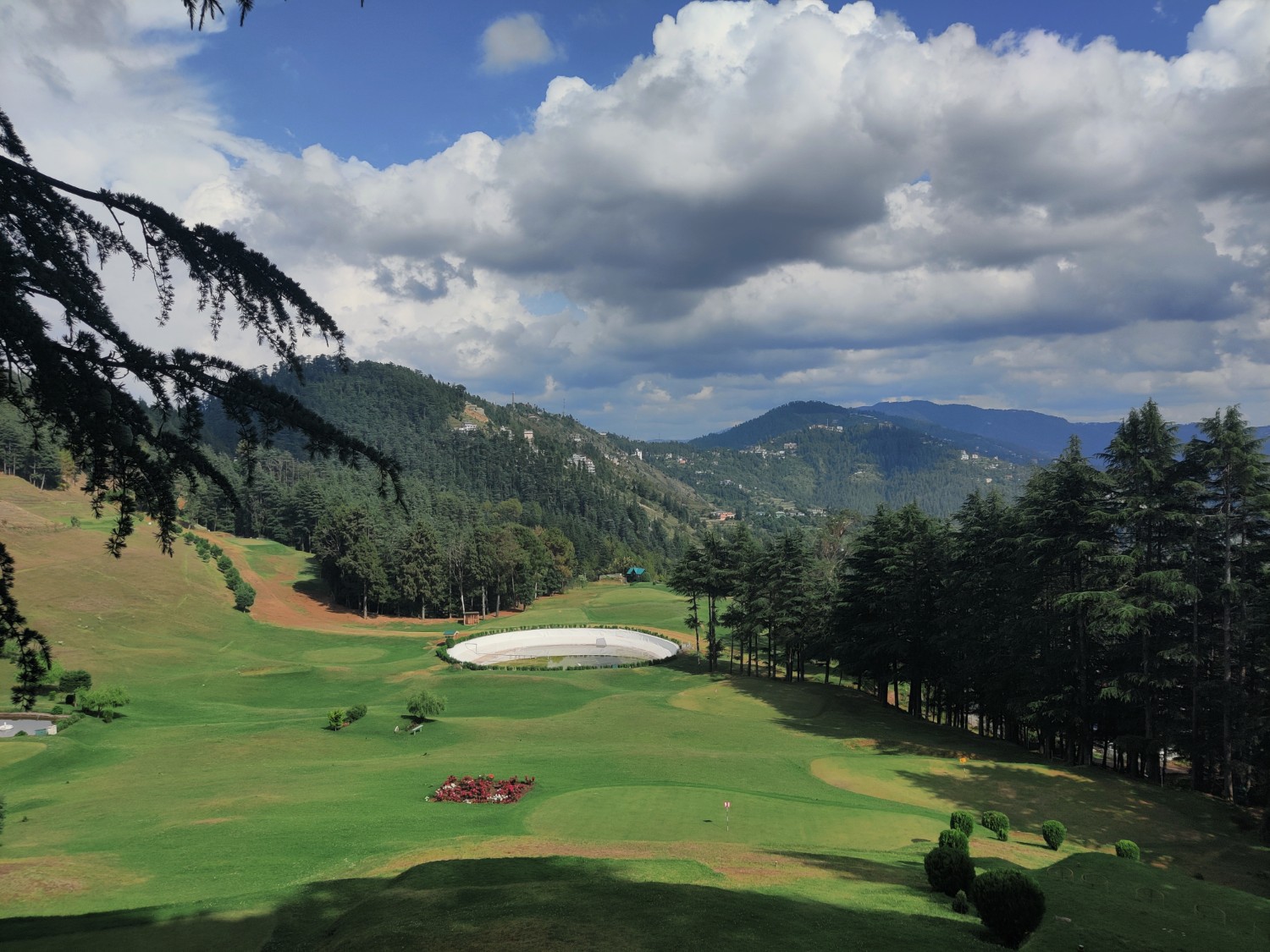
Naldehra
Places to Visit in Naldehra: A Complete Travel Guide Naldehra is a scenic hill destination in Shimla district, Himachal Pradesh, known for its historic golf course, tall deodar trees, open meadows and peaceful mountain surroundings. Located approximately 22–23 km from Shimla, it is a popular option for travellers who want to spend time in nature away from the busier streets of the main hill station. The main attraction is Naldehra Golf Course, a historic course set within a forested meadow. Visitors can also explore Mahunag Temple, enjoy walks through the surrounding landscape and plan excursions towards nearby villages and destinations such as Tattapani. Naldehra is suitable for a relaxed day trip, a family outing or a quiet stay in the hills. This guide covers the best places to visit in Naldehra, activities, the best time to travel, transport options and practical tips for planning your trip. Best Places to Visit in Naldehra 1. Naldehra Golf Course Naldehra Golf Course is the destination's best-known attraction. Set in a natural meadow surrounded by deodar forests, it is widely recognised as one of India's historic golf courses. The course is associated with Lord Curzon, the former Viceroy of India, who was captivated by the landscape during the British period. The rolling terrain, forest backdrop and mountain atmosphere make the golf course distinctive. Golfers may be able to arrange a round subject to the current visitor policy, course availability and applicable fees. Non-golfers can enjoy the surrounding scenery where access is permitted, but should not assume that every part of the course is open for unrestricted walking. If you want to play golf, contact the course or relevant accommodation provider in advance to confirm booking requirements, equipment availability, fees and access. Best for: Golf enthusiasts, couples, families and scenic photography. 2. Mahunag Temple Mahunag Temple is a small religious site associated with the Naldehra Golf Course area. It is dedicated to Mahunag, a deity revered in local tradition and associated in regional accounts with Karna from the Mahabharata. The temple's traditional architecture and wooded setting add a cultural dimension to a visit to Naldehra. Visitors can combine a temple stop with time around the meadow, subject to local access rules. Please be respectful during worship and follow any instructions from temple caretakers. Avoid disturbing religious activities or entering restricted areas. Best for: Religious tourism, local culture and heritage interest. 3. Naldehra Meadow and Deodar Forests The natural meadow and surrounding deodar forest are among the biggest reasons to visit Naldehra. Tall trees frame the open landscape, creating a peaceful setting for a slow walk, outdoor photographs or simply enjoying the mountain air. The experience changes with the season. Spring and summer generally bring greener surroundings, while mist and monsoon clouds can create a different atmosphere. Autumn may offer crisp air and clear views when the weather is favourable. Stay on permitted paths and respect any boundaries around the golf course or private property. If you are visiting with children, supervise them near uneven ground and sloping areas. Best for: Nature lovers, families, relaxed walks and photography. 4. Shaily Peak Shaily Peak is an option for travellers interested in trekking and mountain views in the wider Naldehra region. The journey involves more planning than a short walk around the golf course, and reaching the relevant trailhead may require additional road travel. The route and difficulty can vary according to the approach taken and local conditions. Before setting out, confirm the current trail access, travel time and route with a knowledgeable local source. Wear suitable footwear, carry water and allow enough daylight for the return journey. Shaily Peak is better suited to visitors who want an outdoor excursion rather than those looking for a quick sightseeing stop. Best for: Trekkers, outdoor enthusiasts and visitors seeking mountain scenery. 5. Kogi Village and Kogi Mata Temple Kogi is a village in the wider Naldehra area where travellers may find a glimpse of traditional Himachali village life. The surrounding countryside, local homes and religious traditions offer a different experience from the golf course and resort areas. Kogi Mata Temple is associated with local worship and community traditions. Visitors should be mindful that village temples and residential areas are living community spaces rather than commercial tourist attractions. If you plan to explore the village, ask locally about the best route and any access restrictions. Avoid photographing residents or private homes without permission. Best for: Cultural experiences, village scenery and travellers interested in local traditions. 6. Mahakali Temple and the Surrounding Hills The wider Naldehra region has religious sites set among wooded hills and valleys, including Mahakali Temple in the surrounding area. Such visits can be combined with a longer excursion rather than treated as a guaranteed short walk from the golf course. Check the exact temple location and road approach before travelling, particularly if you are relying on public transport. Conditions on smaller mountain roads can change with rain, fog and seasonal maintenance. Best for: Religious visits, peaceful surroundings and local exploration. 7. Chabba Village Chabba is a nearby rural destination that can be considered for travellers who want to explore beyond Naldehra's main attraction. Its appeal lies in the quieter countryside and the chance to experience the landscape of the region at a slower pace. Facilities may be limited compared with Shimla, so plan food, transport and return timings in advance. If you are combining Chabba with other places, check road distances before finalising the itinerary. Best for: Rural scenery, scenic drives and a quieter outing. Things to Do in Naldehra Naldehra is best suited to travellers who enjoy natural surroundings, leisurely sightseeing and outdoor experiences. Depending on access and availability, you can: Explore the golf course area: Learn about the history of Naldehra's golf course and enjoy the forested setting where visitor access is allowed. Play golf: Check course availability, visitor rules, fees and equipment arrangements in advance. Walk among deodar trees: Enjoy the meadow and surrounding forest along permitted paths. Visit Mahunag Temple: Discover a local religious site and its traditional setting. Take photographs: Capture the open meadow, forest landscape and changing mountain weather. Explore nearby villages: Consider Kogi or Chabba if you have enough time and suitable transport. Plan a trekking excursion: Research the route to Shaily Peak before setting out. Combine Naldehra with Tattapani: With sufficient time, extend your journey towards the Sutlej valley and its hot-water springs. Not every activity is available every day. Confirm access and operating arrangements before travelling specifically for golf, trekking or other organised experiences. Best Time to Visit Naldehra Naldehra can be visited in different seasons, but the best time depends on your preferred activities and tolerance for changing mountain weather. March to June: This is a useful period for general sightseeing, nature walks and comfortable outdoor exploration. The landscape becomes greener as the weather warms, although evenings can still be cool. July to September: The monsoon brings lush greenery and misty scenery. However, heavy rain can make paths slippery and affect road travel. Check the forecast before planning outdoor activities. October to November: These months can be pleasant for forest walks and scenic drives, with cooler temperatures and clear views on suitable days. Carry warm clothing for mornings and evenings. December to February: Winter can be cold, and frost or occasional snow may affect the wider region. Snowfall is not guaranteed in Naldehra, so do not plan a snow-focused trip without checking current local conditions. For most visitors, spring, summer and autumn are practical seasons for exploring the golf course area and nearby countryside. Monsoon travel can be rewarding for scenery but requires greater flexibility. Does It Snow in Naldehra? Snowfall is possible in the wider Shimla region during winter, but it is not guaranteed in Naldehra on specific dates. Weather varies from year to year, and nearby higher areas may experience different conditions. If snow is important to your trip, check a recent forecast and local road updates shortly before departure. Cold weather alone does not mean that fresh snowfall will occur. During winter, carry warm layers and shoes with good grip. Avoid entering icy or restricted areas, and do not assume that roads or outdoor attractions will remain accessible during poor weather. How to Reach Naldehra from Shimla By Road Naldehra is approximately 22–23 km from Shimla by road. The route travels through the surrounding hills, and the journey usually takes around 45 minutes to an hour in favourable conditions. Traffic, roadworks and weather can increase travel time. You can reach Naldehra by taxi, private vehicle or suitable local bus services. If you are using public transport, confirm the departure point, frequency and return service before setting out. By Train Shimla Railway Station is the convenient rail connection for the final road journey to Naldehra. Travellers arriving on the Kalka–Shimla narrow-gauge railway can continue by taxi or local transport. Kalka is a major railhead for travellers arriving from other cities. From there, continue towards Shimla and then travel onward to Naldehra. By Air Shimla Airport at Jubbarhatti is the nearest airport in the Shimla area, although flight availability may be limited. Chandigarh Airport can be an alternative depending on your origin and flight schedule. From either airport, the remaining journey requires road transport. Compare the complete journey time and transport options before booking. Distance from Shimla to Naldehra Naldehra is around 22–23 km from Shimla by road. The drive generally takes around 45 minutes to an hour in favourable conditions, but the exact time depends on your starting point, traffic and weather. If you are planning a day trip, leave enough time to enjoy the golf course area and surrounding scenery without rushing. For excursions to more distant villages or trekking areas, check the additional travel time in advance. Places to Visit Near Naldehra If you have extra time, consider extending your trip to one or two nearby destinations. Mashobra: Known for forested surroundings, nature walks and a peaceful atmosphere near Shimla. Shimla: Explore the Ridge, Mall Road, Christ Church and the town's heritage attractions. Tattapani: A destination along the Sutlej River known for its hot-water springs. Check current conditions and available facilities before visiting. Kogi village: Explore the rural landscape and local traditions of the wider Naldehra area. Chabba: Consider a scenic drive to experience the quieter countryside. Do not attempt to cover every destination in one day. Mountain routes can take longer than expected, and the best itinerary depends on your transport and available daylight. Suggested One-Day Naldehra Itinerary Morning: Leave Shimla and travel to Naldehra. Begin with the golf course area, taking time to appreciate the meadow and surrounding deodar forest where access is permitted. Late morning: Visit Mahunag Temple and enjoy a relaxed walk or photography stop. Afternoon: Take a break for lunch. If you have confirmed the route and have enough time, consider exploring a nearby village or taking a short nature walk. Evening: Return to Shimla before it gets late, allowing extra time for traffic and changing mountain weather. If your main interest is trekking at Shaily Peak or visiting Tattapani, plan a separate excursion or confirm the route and travel time before combining it with Naldehra. Travel Tips for Naldehra Check golf course visitor rules before planning to play or enter restricted areas. Wear comfortable shoes for walking around the meadow and forest paths. Carry a light jacket, as temperatures can fall in the evening. Check the weather before travelling during the monsoon or winter. Confirm public transport timings if you do not have a private vehicle. Ask permission before photographing people, private homes or agricultural land. Plan additional time for any trekking excursion beyond the main Naldehra area. Keep the forest clean and avoid disturbing wildlife. Respect local temples and community traditions. Check road conditions if you plan to continue towards Tattapani or other destinations in the surrounding hills. Is Naldehra Worth Visiting? Naldehra is worth visiting if you enjoy forest scenery, open meadows, historic golf-course surroundings and a relaxed hill-station atmosphere. Its appeal is less about a large number of commercial attractions and more about spending time in nature and exploring local culture. It works well as a half-day or full-day outing from Shimla, especially for travellers who want a quieter experience away from the main town. If you are interested in golf, trekking or nearby villages, plan those activities in advance so that access, transport and timing do not become a problem.
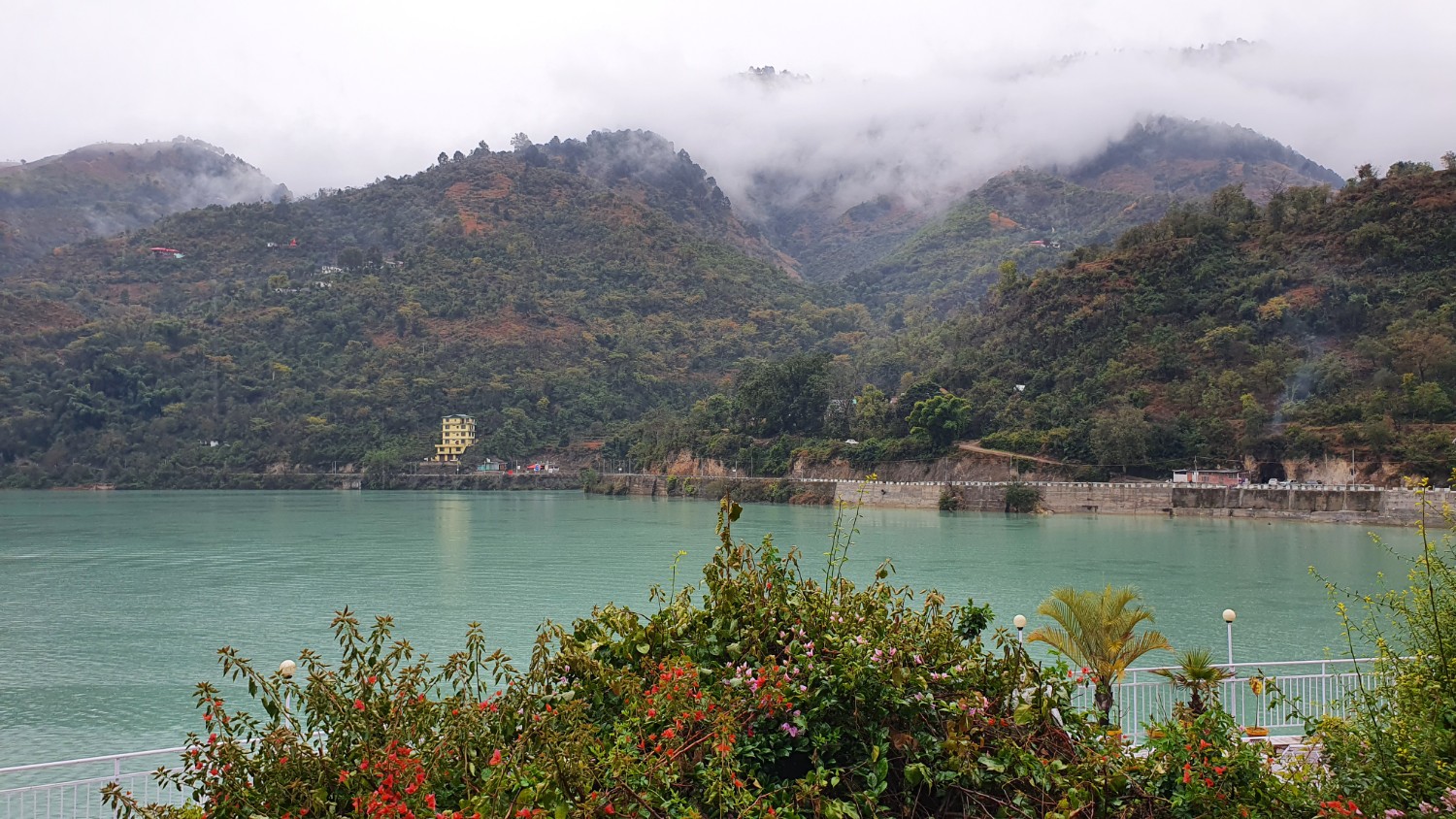
Tattapani
Places to Visit in Tattapani, Himachal Pradesh Tattapani is a riverside destination in Himachal Pradesh, known for its hot sulphur springs, scenic surroundings and adventure activities along the Sutlej River. Located approximately 50–53 km from Shimla by road, it is a popular option for travellers looking for a different experience from the busy hill-station attractions of the state capital. The name Tattapani means “hot water” and reflects the destination’s long association with geothermal springs and religious bathing traditions. Visitors can explore riverside surroundings, visit nearby temples, enjoy mountain-road views and check seasonal opportunities for river rafting. The area is also suitable for a relaxed day trip from Shimla, provided you allow enough time for the winding road journey. One important point for travellers is that the Kol Dam reservoir changed the original hot-spring landscape. Some of the springs described in older travel guides were submerged, and present-day bathing arrangements may differ from historic descriptions. Check locally whether a bathing pool or sulphur-water facility is operating before planning your visit specifically for the springs. Best Places to Visit in Tattapani 1. Tattapani Hot Springs and Bathing Facilities The hot springs are the main reason many people visit Tattapani. The area has traditionally attracted visitors for bathing and religious observances because of its naturally heated, sulphur-rich water. The landscape has changed since the development of the Kol Dam reservoir, so do not assume that the original natural pools remain accessible exactly as described in older articles. Depending on current local arrangements, visitors may find designated bathing areas or commercially operated facilities. Confirm availability, opening hours and charges before setting out. The water is traditionally believed to offer health benefits, but visitors should not treat a sulphur bath as a proven medical treatment. People with health concerns should seek appropriate medical advice before using hot-water bathing facilities. 2. Sutlej River Riverside The Sutlej River gives Tattapani much of its character. The river valley, surrounding hills and winding roads make the journey scenic, while the riverside setting offers opportunities to pause, take photographs and enjoy the landscape. Water levels and accessible riverbank areas can change with reservoir operations, rainfall and seasonal conditions. Stay within designated visitor areas and avoid entering the river unless it is part of an authorised activity with appropriate safety arrangements. 3. River Rafting near Tattapani River rafting on the Sutlej is one of the area's best-known adventure activities. Depending on seasonal water conditions and operator availability, visitors may be able to book a guided rafting experience on an approved stretch of the river. Rafting is not guaranteed throughout the year. River flow, weather, local restrictions and safety assessments can affect operations, particularly during periods of heavy rain or high water levels. Confirm the operating stretch, duration, price and safety equipment with an established operator before booking. Always follow the guide's instructions and wear the required safety equipment. Choose an activity suited to your experience and fitness level. 4. Shiva Gufa at Saraur Shiva Gufa, associated with Saraur, is mentioned among the religious attractions connected with the Tattapani area. It offers an option for visitors interested in local religious traditions and places of worship. Check the current road approach and access arrangements before visiting, as conditions and local directions can vary. Dress respectfully and follow any instructions at the site. 5. Local Temples and Religious Sites Tattapani and its surrounding villages have religious sites connected with local Hindu traditions. Visitors can include a temple stop in their trip alongside the riverside landscape and bathing facilities. If you plan to visit a specific temple, confirm its exact location and access route before travelling. Local festivals and religious bathing occasions can also bring additional visitors to the area. 6. Scenic Road and Mountain Views The road journey from Shimla towards Tattapani passes through the hill country and offers changing views of forests, settlements, valleys and mountain slopes. The drive is part of the experience, especially for travellers who enjoy road trips. The route includes winding sections, so allow extra time and avoid rushing. If you are driving yourself, check road and weather conditions before departure. Things to Do in Tattapani Tattapani is best suited to travellers who want a mix of relaxation, river scenery and outdoor experiences. Depending on current conditions, you can: Check out the available hot-spring bathing facilities. Enjoy views of the Sutlej River and surrounding hills. Book guided river rafting when operations are running. Visit local temples and Shiva Gufa at Saraur. Take photographs of the river valley and mountain roads. Explore nearby countryside on a planned road trip. Enjoy a quiet stop away from the busier tourist areas of Shimla. For a short visit, choose two or three activities rather than trying to cover every nearby attraction in a single day. Best Time to Visit Tattapani October to March The cooler months can be comfortable for sightseeing and for visitors interested in hot-water bathing facilities. Winter is also a suitable time to enjoy the riverside landscape, but morning and evening temperatures can be low. Check the weather and road conditions before travelling. April to June Spring and early summer can be suitable for road trips and outdoor activities. This period may offer opportunities for river rafting, but actual availability depends on river flow, authorised operating schedules and safety conditions. Confirm in advance rather than assuming rafting will be available on your travel date. July to September The monsoon season can bring heavy rain, slippery roads, landslides and rapidly changing river conditions. Rafting and riverside access may be restricted or suspended. If travelling during this period, check local advisories and do not approach swollen riverbanks. Practical recommendation: Choose October to March for a cooler sightseeing trip, or consider April to June if rafting is a priority and operators confirm that it is running safely. How to Reach Tattapani By Road Road travel is the most practical way to reach Tattapani. Visitors can travel from Shimla by private car, taxi or available bus services. The drive generally takes around 1.5–2.5 hours, depending on the route, traffic, weather and road conditions. By Air Shimla Airport at Jubbarhatti is one possible airport for travellers visiting the region, although flight availability may be limited. Chandigarh Airport is another option for many visitors, followed by onward road travel. Compare current flight schedules and total journey time before choosing an airport. By Train Travellers arriving by rail can consider the Kalka–Shimla route for a trip that includes Shimla, or a broad-gauge railhead such as Chandigarh for onward travel by road. The most suitable station depends on your starting city and travel itinerary. Distance from Shimla to Tattapani Tattapani is commonly listed at approximately 50–53 km from Shimla. The actual driving distance and journey time can vary according to your starting point and selected route. If you are travelling from Shimla, start early to make the most of the day. The winding roads can make the journey slower than the distance suggests, and you should allow extra time for stops and changing weather. Suggested One-Day Tattapani Itinerary Morning: Leave Shimla early and enjoy the scenic drive towards Tattapani. Late morning: Check the currently operating hot-spring bathing facilities or visit a nearby religious site. Afternoon: Have lunch locally, explore accessible riverside viewpoints and take photographs from safe areas. Later afternoon: If rafting is operating and you have booked a suitable session, follow the operator's schedule. Otherwise, keep the visit relaxed and begin the return journey with enough daylight. This itinerary is flexible. Do not combine rafting, bathing and several distant temples without checking their locations and travel times first. Travel Tips for Tattapani Confirm that the hot-spring bathing facility you intend to visit is currently open. Check rafting availability, river conditions, operator credentials and safety equipment in advance. Carry drinking water, sun protection, comfortable footwear and a change of clothes if you plan to bathe. Avoid swimming or entering the Sutlej River independently. During monsoon, check road advisories and avoid unstable slopes and flooded riverbanks. Keep some cash available for small local purchases or facilities that may not accept digital payments. Respect religious customs at temples and bathing areas. If you are visiting with children or older travellers, plan breaks along the road and avoid a rushed schedule. Is Tattapani Worth Visiting? Tattapani is worth considering if you want a day trip from Shimla that combines a river-valley setting, religious sites and the area's distinctive hot-spring tradition. It is also a possible stop for travellers interested in guided rafting when conditions permit. The key to planning a successful visit is to check what is actually operating on your travel date. Because the original spring area was affected by the Kol Dam reservoir, current bathing facilities and river access should be verified rather than assumed.
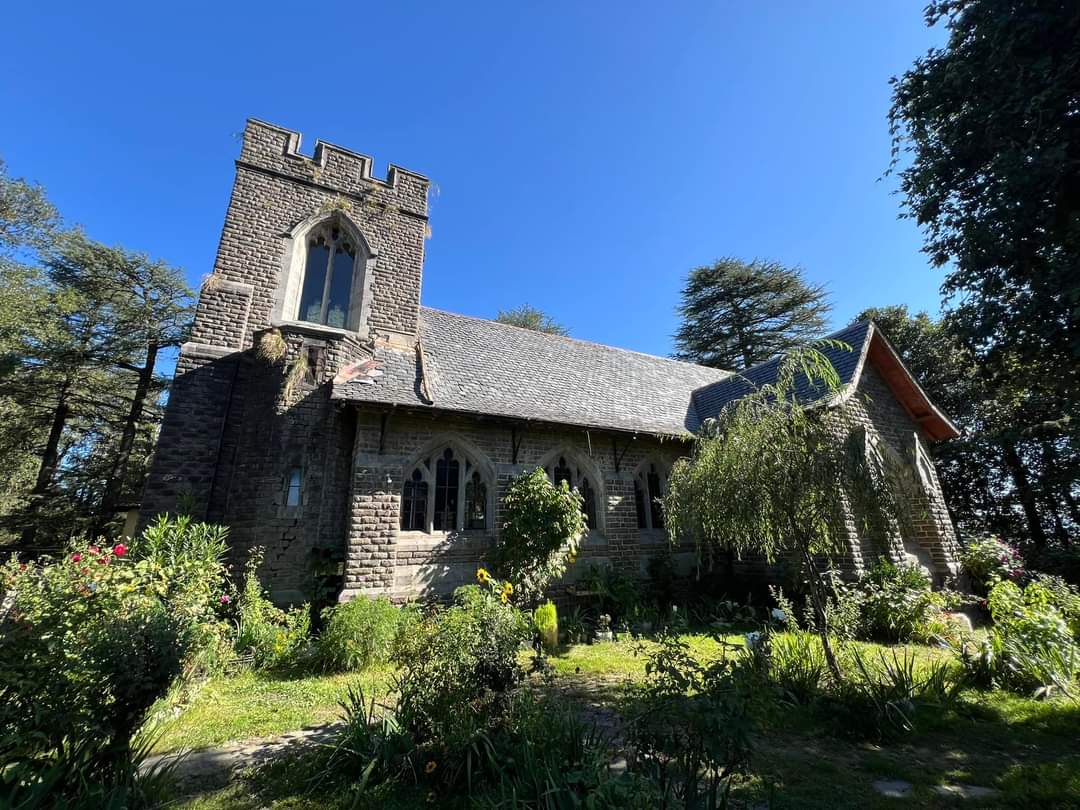
Mashobra
Mashobra is a peaceful hill destination near Shimla in Himachal Pradesh, known for its forested slopes, apple orchards, heritage surroundings and access to quieter corners of the Shimla hills. It offers a different pace from the busy Mall Road area, making it a worthwhile choice for travellers who want to combine nature, sightseeing and relaxed time in the mountains. The best places to visit in Mashobra include the presidential heritage estate at Rashtrapati Niwas, Craignano Nature Park and the surrounding forest landscapes. Its location also makes it convenient to plan excursions towards Kufri, Naldehra and Shimla, depending on your interests and the time available. Whether you are planning a family holiday, a romantic weekend or a short nature escape, Mashobra is best explored with a flexible itinerary that leaves room for walks, scenic stops and the changing mountain weather. What Is Mashobra Famous For? Mashobra is best known for its natural surroundings, wooded walking routes, apple-growing landscape and the historic Rashtrapati Niwas, formerly known as The Retreat. The presidential estate is one of the area's most distinctive landmarks and combines heritage architecture with landscaped grounds and nature trails. Unlike a trip centred entirely on Shimla's markets and colonial-era streets, a visit to Mashobra can focus on outdoor scenery and a slower pace. Visitors can explore designated attractions, enjoy views of the surrounding hills and use the area as a base for day trips. The experience depends on the season. Spring brings fresh greenery and flowering orchards, summer is popular for escaping hotter plains, the monsoon transforms the landscape but can disrupt road travel, and winter brings cold weather with the possibility of snowfall in the surrounding hills. Best Places to Visit in Mashobra 1. Rashtrapati Niwas, Mashobra Rashtrapati Niwas is one of the most significant heritage attractions in Mashobra. Dating to 1850, the historic building was formerly called The Retreat and serves as the official summer retreat of the President of India. The estate includes a heritage building, landscaped areas, orchards and nature trails. Visitors can experience the property's history and surroundings through the authorised visitor programme. Plan your visit in advance. Entry is subject to the official booking and security arrangements, and access may be restricted when required. Check the current visitor information before travelling, including the applicable schedule, booking procedure, entry fee and permitted belongings. This is a particularly worthwhile stop for history enthusiasts, architecture lovers and travellers interested in the heritage of Shimla's hill retreats. 2. Craignano Nature Park Craignano Nature Park is a popular outdoor attraction in the Mashobra area. The site is associated with a historic villa and is valued for its landscaped surroundings, trees and opportunities to enjoy the outdoors. It is a suitable option for families looking for a relaxed outing and for visitors who prefer a picnic or a gentle walk over a demanding trek. The park's appeal changes with the season, with flowering plants and fresh greenery adding interest during suitable months. Craignano can be combined with other Mashobra sightseeing stops on the same day. Before visiting, confirm current access arrangements and any applicable entry or activity charges with the relevant local authority. 3. Shimla Water Catchment Wildlife Sanctuary and Reserve Forest The forested landscape around Mashobra is an important reason to visit the area. The Shimla Water Catchment Wildlife Sanctuary protects a forest ecosystem associated with the region's water supply and wildlife habitat. Nature enthusiasts may appreciate the forest environment, native vegetation and opportunities for birdwatching. The experience is more about observing the landscape quietly than expecting guaranteed wildlife sightings. Do not assume that every forest path is open for unrestricted tourism. Check current access rules, permitted activities and any entry requirements before planning a walk. Stay on authorised routes, avoid disturbing wildlife and carry out all litter. 4. Apple Orchards Around Mashobra Apple orchards are part of the rural landscape around Mashobra and provide a seasonal dimension to a visit. Depending on the time of year, visitors may see blossoming trees, developing fruit or orchards during the harvest period. Spring is a good time to look for blossoms, although the exact flowering period depends on weather and local growing conditions. Late summer and early autumn may offer a different view of the apple-growing landscape. Orchards are often on private land. Ask permission before entering, photographing workers at close range or picking fruit. Do not assume that a farm offers public tours unless the owner or operator confirms it. 5. Mashobra's Forest Roads and Scenic Viewpoints Some of the most enjoyable parts of Mashobra are the forested roads and viewpoints between established attractions. These stretches offer opportunities to pause, appreciate the hills and experience the quieter character of the destination. Use designated stopping areas rather than parking on narrow bends or obstructing local traffic. Mountain views vary with clouds, visibility and the season, so allow flexibility rather than planning your entire trip around a single viewpoint. For longer walks, ask your accommodation provider or a qualified local guide about suitable routes and current conditions. A route that looks short on a map may involve steep gradients or uneven ground. Best Things to Do in Mashobra Take a Nature Walk Walking is one of the simplest ways to appreciate Mashobra's forested surroundings. Choose an established, permitted route and allow time to enjoy the scenery instead of treating the walk as a race between attractions. Wear shoes with good grip, carry drinking water and check the forecast before setting out. After rain, paths may be slippery, and fog can reduce visibility. Explore Local Orchards and Rural Scenery The orchard landscape offers a glimpse of the agricultural side of the Shimla hills. Visitors can enjoy the views from public roads and permitted areas while respecting private property. If you are hoping to see apple blossoms or fruit ready for harvest, ask locally about the season rather than relying on fixed dates. Weather and growing conditions influence what visitors will see. Visit Heritage Attractions Rashtrapati Niwas is the standout heritage experience in Mashobra. Its historic architecture and authorised visitor programme make it a worthwhile addition to an itinerary focused on the cultural history of the region. Book or verify access before travelling, and leave enough time for the required entry procedures. Enjoy a Quiet Weekend in the Hills Mashobra works well for travellers who prefer a relaxed holiday over a packed sightseeing schedule. A stay of one or two nights gives you time to explore local attractions, take a walk, enjoy the scenery and make a separate excursion to a nearby destination. Couples may appreciate the quieter surroundings, while families can combine gentle outdoor activities with heritage sightseeing. Choose activities according to weather, mobility and the access rules at each site. Plan Nearby Day Trips Mashobra's position near Shimla makes it possible to explore other parts of the region during the same trip. Kufri is a natural option for visitors interested in mountain scenery and seasonal outdoor activities, while Naldehra is known for its golf course and surrounding landscape. Shimla itself offers colonial-era architecture, historic churches, markets and the Ridge. Choose one nearby destination at a time rather than trying to cover every attraction in a single day. Best Time to Visit Mashobra Mashobra can be visited throughout the year, but the most suitable time depends on what you want to experience. March to June: Spring and Summer Spring and early summer are attractive for outdoor sightseeing, greenery and walks in relatively mild conditions compared with the plains. Spring may bring apple blossoms, although flowering dates vary. As the summer holiday season progresses, demand for accommodation and road travel can increase. Reserve your stay in advance if travelling during weekends or school holidays. July to September: Monsoon The monsoon brings fresh greenery and a lush appearance to the hills. However, heavy rain can lead to slippery trails, poor visibility, traffic disruption and landslide-related road closures. Check weather alerts and local road conditions before travelling. Keep your itinerary flexible and avoid forest walks or exposed routes during severe weather. October to November: Autumn Autumn can be a good period for scenic drives, sightseeing and walks when conditions are favourable. Clear days may offer better mountain views, but temperatures can fall noticeably in the morning and evening. Carry warm layers and check the forecast before setting out. December to February: Winter Winter brings cold conditions, particularly after sunset and at higher elevations. Snowfall is possible in the surrounding hills, but it is not guaranteed in Mashobra itself. If snow is your main reason for visiting, check current conditions before departure rather than relying on seasonal expectations. Pack suitable winter clothing and allow extra time for road journeys if temperatures fall or snow affects nearby routes. How to Reach Mashobra Mashobra is approached by road from Shimla and can be included in a wider journey through the Shimla hills. The most practical route depends on your starting point, traffic, road conditions and the location of your accommodation. By Road Travellers commonly reach Mashobra by taxi, private vehicle or local bus connections from Shimla. The road journey involves hill driving, bends and sections where traffic may slow down. If you are driving, avoid rushing between sightseeing stops and check for road restrictions during the monsoon or winter. Local taxis can be useful for visitors who do not want to drive on mountain roads. By Train There is no railway station in Mashobra itself. Visitors travelling by rail can plan their journey through Kalka and continue towards Shimla by the available rail or road connections. The Kalka–Shimla heritage railway is a scenic travel option, but its timetable and journey duration should be checked for your travel date. From Shimla, arrange onward transport to Mashobra. By Air Shimla Airport at Jubbarhatti and Chandigarh Airport are possible airport options for a wider Shimla-region trip. Flight availability and the most practical choice depend on your origin and travel dates. From the airport, the onward journey is by road. Check current flight operations, road conditions and total transfer time before booking connections. Getting Around Mashobra Private taxis and personal vehicles offer flexibility for visiting attractions spread across the area. Local public transport may suit some routes, but service frequency and the final distance to individual attractions should be checked locally. Do not assume that a destination described as nearby is walkable. Hill roads may have steep sections, limited footpaths and little space for pedestrians. Places to Visit Near Mashobra Shimla Shimla is the main nearby urban destination and offers a broader range of heritage, shopping, dining and sightseeing experiences. Visitors can explore the Ridge, Mall Road, Christ Church and historic buildings, depending on their interests and available time. Mashobra and Shimla can be combined into one trip, with the city providing a busier cultural experience and Mashobra offering a quieter natural setting. Kufri Kufri is known for mountain scenery and seasonal outdoor attractions. Winter conditions may support snow-related activities when weather and facilities permit, while other seasons are suitable for exploring the surrounding landscape. Check the operating status and current prices of commercial attractions before visiting, as activities can vary with the season. Naldehra Naldehra is known for its golf course and green surroundings. It can be a good addition for travellers who want to explore beyond central Shimla and enjoy another part of the hill landscape. Allow enough time for the road journey and check access arrangements if you plan to use any facilities rather than simply visit the area. Chail Chail is another hill destination that can be considered as part of a longer Shimla-region itinerary. It is better treated as a separate excursion than added to an already crowded day of Mashobra sightseeing. Check the route and driving conditions before deciding whether to visit it as a day trip or include it in a multi-day journey. Suggested Mashobra Itineraries One Day in Mashobra For a short visit, focus on a few attractions rather than trying to cover the entire region. Morning: Visit Rashtrapati Niwas if visitor access is available for your date. Late morning: Explore Craignano Nature Park, subject to current access. Afternoon: Enjoy the surrounding scenery or take a permitted nature walk. Late afternoon: Return towards your accommodation or continue to Shimla if road and daylight conditions allow. This is a suggested order, not a guarantee that all attractions can be covered in one day. Check opening arrangements and travel times before finalising the plan. Two Days in Mashobra A two-day visit gives you more flexibility and reduces the need to rush. Day 1: Explore Rashtrapati Niwas, Craignano and the nearby forest landscape, subject to access conditions. Day 2: Spend the morning on a suitable nature walk or enjoying the orchard scenery. Use the remainder of the day for a trip to Naldehra, Kufri or Shimla, choosing one according to your interests. Keep a weather contingency in your plan, particularly during the monsoon and winter. Where to Stay in Mashobra Mashobra has accommodation options ranging from resort-style properties to smaller stays in the surrounding hills. Your best choice depends on your budget, transport arrangements and preferred holiday style. For couples: Look for a property with scenic surroundings, quiet common areas and convenient transport. For families: Prioritise road access, room arrangements, meal availability and the distance to planned attractions. For nature lovers: Consider a stay that provides access to permitted walking routes without requiring long daily drives. For travellers without a car: Confirm taxi availability, local transport and whether the property can arrange sightseeing. Compare current prices, cancellation policies, meal plans and recent guest feedback before booking. Do not assume that every property advertised as being in Mashobra is close to the main sightseeing area. Practical Travel Tips for Mashobra Carry warm layers even when travelling in summer, as hill weather can change quickly. Check the forecast and road conditions before leaving Shimla, particularly during the monsoon and winter. Verify Rashtrapati Niwas visitor arrangements in advance and carry the required identification. Confirm entry rules, charges and access for nature parks and forest areas before travelling. Wear shoes suitable for uneven paths and avoid walking on unfamiliar forest trails after dark. Respect orchard owners, private property and local residents. Carry reusable water bottles and take rubbish back with you. Keep extra time for traffic, roadworks, weather delays and local transport. If travelling with children or older family members, assess slopes, walking distances and facilities at each stop before committing to the itinerary. Is Mashobra Worth Visiting? Mashobra is worth considering if you want a hill holiday that combines forest scenery, heritage sightseeing and access to the wider Shimla region. Its appeal lies in the combination of outdoor surroundings and a few distinctive attractions rather than a large concentration of urban entertainment. It is especially suitable for travellers who enjoy relaxed walks, scenic drives, orchard landscapes and a flexible itinerary. Visitors seeking nightlife, extensive shopping or a large number of attractions within walking distance may prefer to spend more time in Shimla itself. For the best experience, plan around a small number of priorities, check current access and weather conditions, and leave time to enjoy the landscape instead of rushing from one stop to the next.
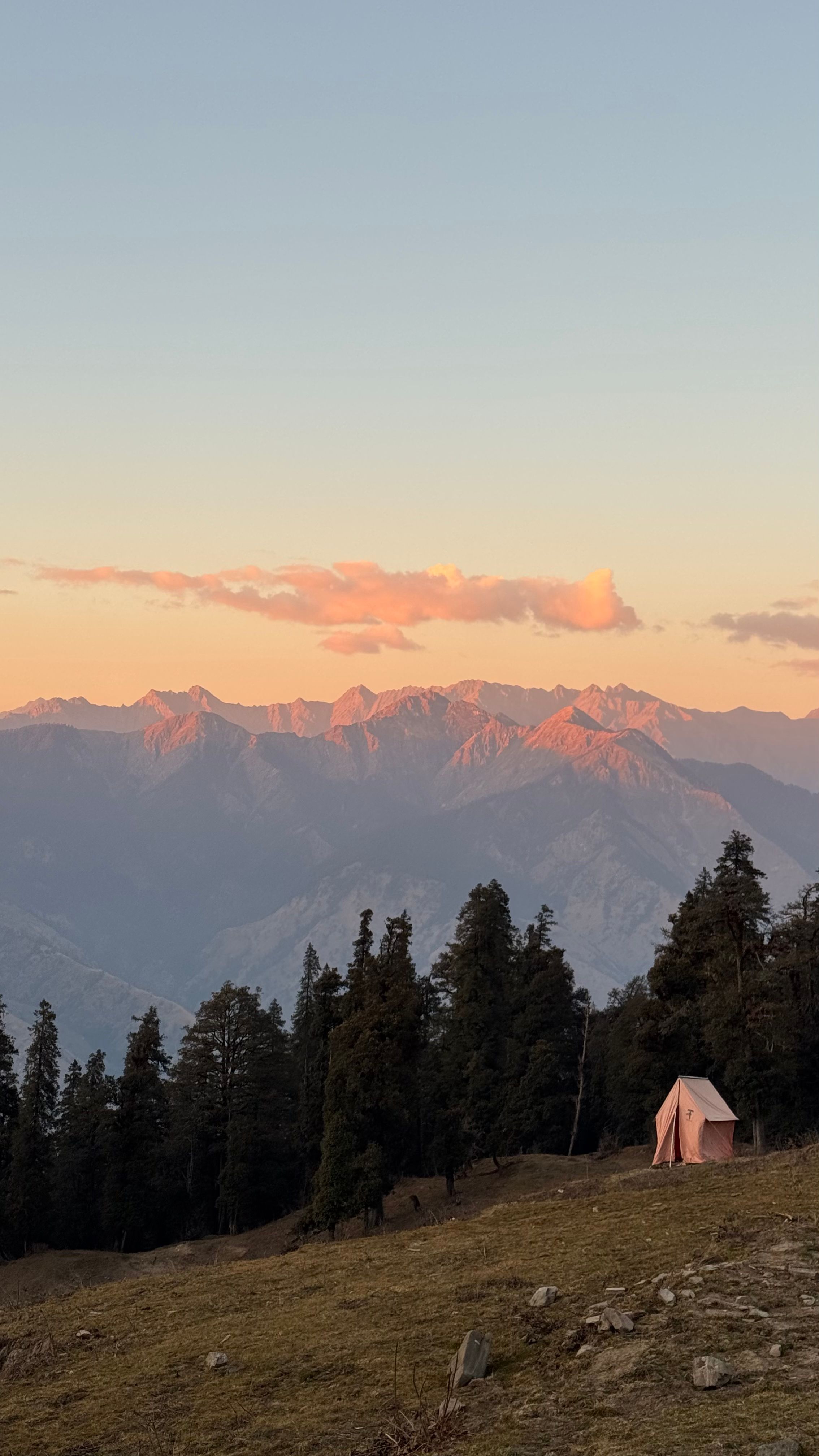
Kotgarh
Explore Kotgarh: Himachal Pradesh's Famous Apple-Growing Region Kotgarh is a scenic destination in the upper Shimla region of Himachal Pradesh, known for its apple orchards, forested hills and peaceful rural surroundings. Away from the busy tourist areas of Shimla, it offers a different experience of the Himalayas, where traditional village life and horticulture are closely connected. The Kotgarh and neighbouring Thanedhar region holds an important place in Himachal Pradesh's apple-growing history. Visitors can explore orchard landscapes, discover local heritage and enjoy the mountain scenery along the old Hindustan–Tibet road. The destination is particularly appealing to travellers who prefer quieter places, nature-focused trips and a closer look at the culture of the Shimla hills. Why Is Kotgarh Famous? Kotgarh is widely recognised for its apple cultivation and its role in the development of commercial apple growing in Himachal Pradesh. Samuel Evans Stokes, later known as Satyanand Stokes, helped popularise apple cultivation in this region during the early twentieth century. Today, orchards are an important part of the area's landscape and local economy. During the growing season, the surrounding hills offer a distinctive rural Himalayan setting, with farms, traditional homes and forested slopes. Kotgarh is also known for its historic landmarks, including St. Mary's Church, and for its proximity to places such as Thanedhar and Tani Jubbar Lake. Together, these attractions make the region suitable for a relaxed trip beyond Shimla's more crowded sightseeing areas. Best Places to Visit in and Around Kotgarh 1. Apple Orchards of Kotgarh The apple orchards are among the main reasons travellers visit Kotgarh. Spread across the surrounding hills, they reflect the region's long association with horticulture and offer a glimpse into the agricultural life of Himachal Pradesh. Spring can bring blossoms to the orchards, while the late summer and autumn harvest period is associated with apple picking and farm activity. The exact appearance of the orchards depends on the season and local weather. Always ask the orchard owner for permission before entering private farmland or taking photographs. 2. St. Mary's Church St. Mary's Church is a historic landmark associated with Kotgarh's colonial-era heritage. Its traditional architecture and quiet surroundings offer a cultural point of interest for visitors exploring the region. Travellers interested in local history can include the church in a relaxed Kotgarh sightseeing itinerary. Check local access arrangements before planning a visit, as opening times and access may vary. 3. Thanedhar Thanedhar is a nearby hill settlement closely connected with the apple-growing history of the Kotgarh region. Its orchards and mountain surroundings make it a worthwhile stop for visitors interested in rural landscapes and horticultural heritage. The area is also associated with Satyanand Stokes and the development of apple cultivation in Himachal Pradesh. Travelling through Thanedhar gives visitors a broader understanding of the agricultural landscape surrounding Kotgarh. 4. Tani Jubbar Lake Tani Jubbar Lake is a small lake surrounded by trees and mountain scenery in the wider Narkanda–Kotgarh region. It is known for its peaceful setting and its association with a local Nag Devta temple. The lake can be considered as part of a wider sightseeing trip around Kotgarh and Narkanda. Road conditions, travel times and the best route depend on the starting point, so check local directions before setting out. 5. Narkanda Narkanda is a popular hill destination in the upper Shimla region, known for its mountain views, forest surroundings and access to Hatu Peak. It can be combined with Kotgarh for travellers planning to explore more of the region. Rather than treating Kotgarh and Narkanda as the same destination, allow time for the road journey between them and check the weather before travelling, especially during winter. Best Time to Visit Kotgarh The best time to visit Kotgarh depends on the experience you want. March to May: Spring brings fresh greenery and may offer an opportunity to see apple blossoms, depending on local temperatures and orchard conditions. The weather is generally suitable for exploring the surrounding countryside. June to August: The region becomes greener during the summer and monsoon period. Rain can affect road conditions and visibility, so keep your itinerary flexible and check the forecast before travelling. September to November: Late summer and autumn are particularly interesting for travellers who want to experience the apple-growing landscape. Harvest activities vary by orchard, altitude and weather, so the exact timing can change from year to year. December to February: Winter offers a quieter mountain experience, with cold conditions and the possibility of snow during suitable weather. Snowfall is not guaranteed, and visitors should check road conditions before travelling. How to Reach Kotgarh By Road Road travel is the most practical way to reach Kotgarh. Visitors coming from Shimla generally travel towards Narkanda and continue into the Kotgarh region. The route passes through mountain landscapes and apple-growing settlements. Travel time depends on traffic, road conditions and the exact starting point. Check a current map before departure, particularly if travelling during the monsoon or winter. By Train Travellers can take a train to Kalka and continue towards Shimla by road or the Kalka–Shimla heritage railway. From Shimla, the onward journey to Kotgarh is by road. The railway does not take passengers directly to Kotgarh, so plan the road connection in advance. By Air Shimla Airport at Jubbarhatti is one possible air access point for the wider Shimla region, subject to flight availability. Chandigarh is another option for travellers who prefer to continue by road. Flight schedules and weather-related disruptions can affect travel plans. Confirm current services before booking. Travel Tips for Kotgarh Respect private orchards: Ask permission before entering farms, picking fruit or photographing workers. Plan around the season: Orchard blossoms and harvesting activities vary with weather and growing conditions. Carry suitable clothing: Mountain temperatures can change quickly, especially in winter and after sunset. Check road conditions: Rain, fog, snow and occasional road disruptions may affect travel. Allow time for nearby places: Thanedhar, Tani Jubbar Lake and Narkanda can be considered when planning a wider regional itinerary. Avoid rushing the trip: Kotgarh is best experienced at a relaxed pace, with time for the landscape, local heritage and rural surroundings. Is Kotgarh Worth Visiting? Kotgarh is worth considering if you want to explore a quieter side of Himachal Pradesh beyond the main tourist centres. Its apple-growing heritage, historic landmarks, nearby villages and scenic surroundings make it appealing to travellers interested in nature, rural culture and local history. For a more complete trip, combine Kotgarh with nearby Thanedhar or Narkanda, depending on the time available and road conditions. Planning around orchard seasons can also help you experience the region's distinctive agricultural landscape.
FAQs
Common questions about Shimla
Kufri, Mashobra, Naldehra, Fagu and Narkanda are popular places near Shimla. Tattapani is known for its hot springs, while Kotgarh is a good option for exploring apple orchards and village landscapes.
Kufri is approximately 16 km from Shimla by road. The journey may take around 30–45 minutes in favourable traffic conditions, but it can take longer during holidays, snowfall or busy winter weekends.
Snowfall is most commonly associated with late December to February, although conditions change every year. Kufri and Narkanda may receive snow during suitable winter weather, but snowfall on a specific date cannot be guaranteed.
March to June is popular for general sightseeing, while October and November can offer clear views and pleasant weather. December to February is suitable for travellers hoping to experience winter conditions or snowfall, provided they monitor weather and road updates.
Three days can cover Shimla city, Kufri, Mashobra and Naldehra at a relaxed pace. Five to seven days allow additional time for Narkanda, Tattapani, Kotgarh, Rampur Bushahr and Sarahan.
Shimla is approximately 115 km by road from Chandigarh and around 350 km from Delhi. Journey times vary depending on traffic, route and weather.
Popular temples include Jakhu Temple, Tara Devi Temple and Sankat Mochan Temple in Shimla, Hatu Mata Temple near Narkanda, Mahunag Temple near Naldehra and Bhimakali Temple at Sarahan.
Check the India Meteorological Department forecast for Shimla and review conditions for higher destinations such as Kufri and Narkanda separately. Recheck the forecast on the day of travel and confirm road conditions during snowfall or heavy rain.
Kufri and Narkanda are among the popular destinations for winter snow trips. Hatu Peak may also experience snowfall. Actual snow cover depends on weather conditions and the timing of the visit.
Yes. Destinations such as Mashobra, Naldehra, Narkanda, Tattapani, Kotgarh, Rampur Bushahr and Sarahan offer forests, orchards, mountain scenery, hot springs and cultural attractions beyond the main city.