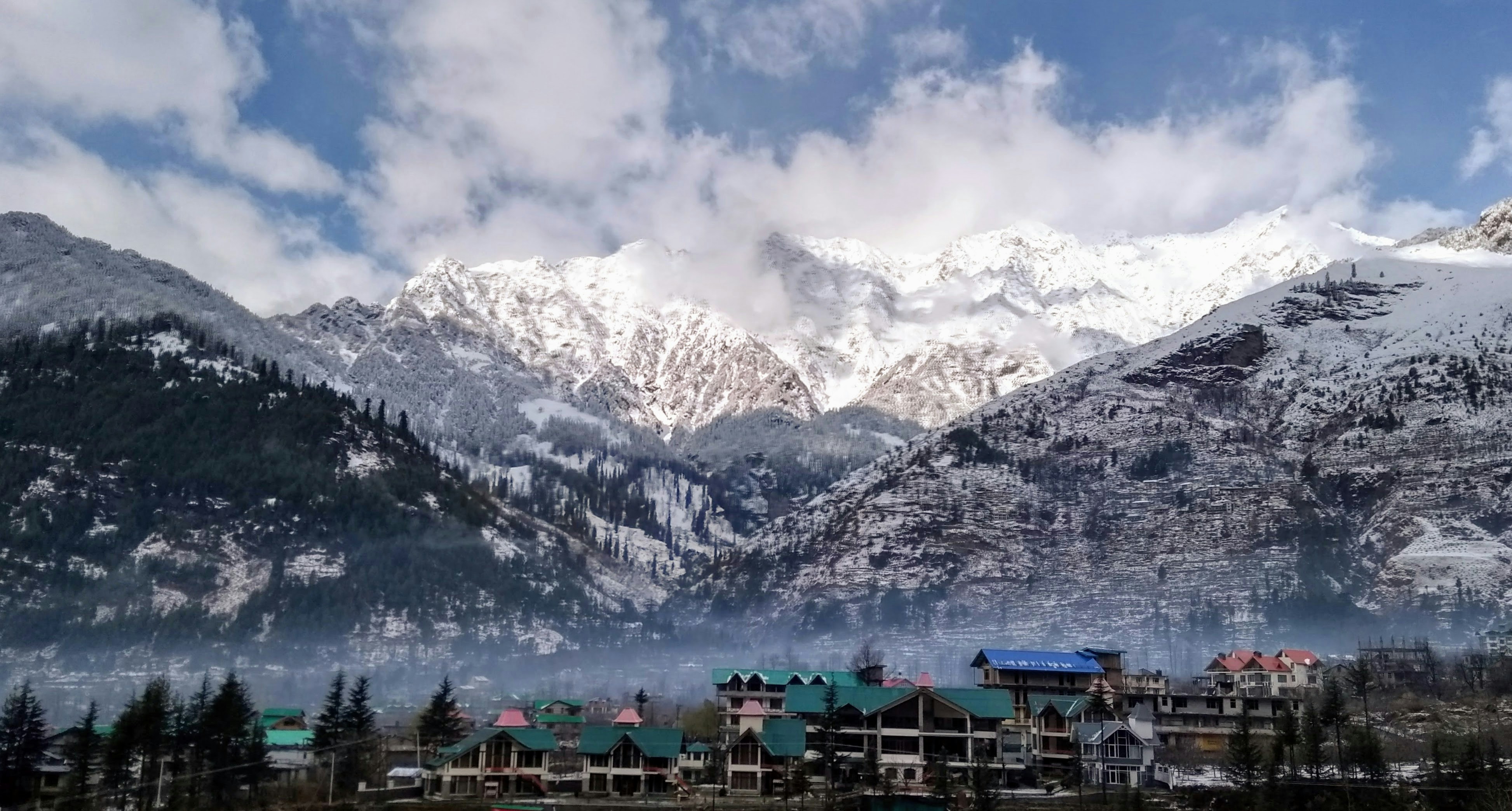
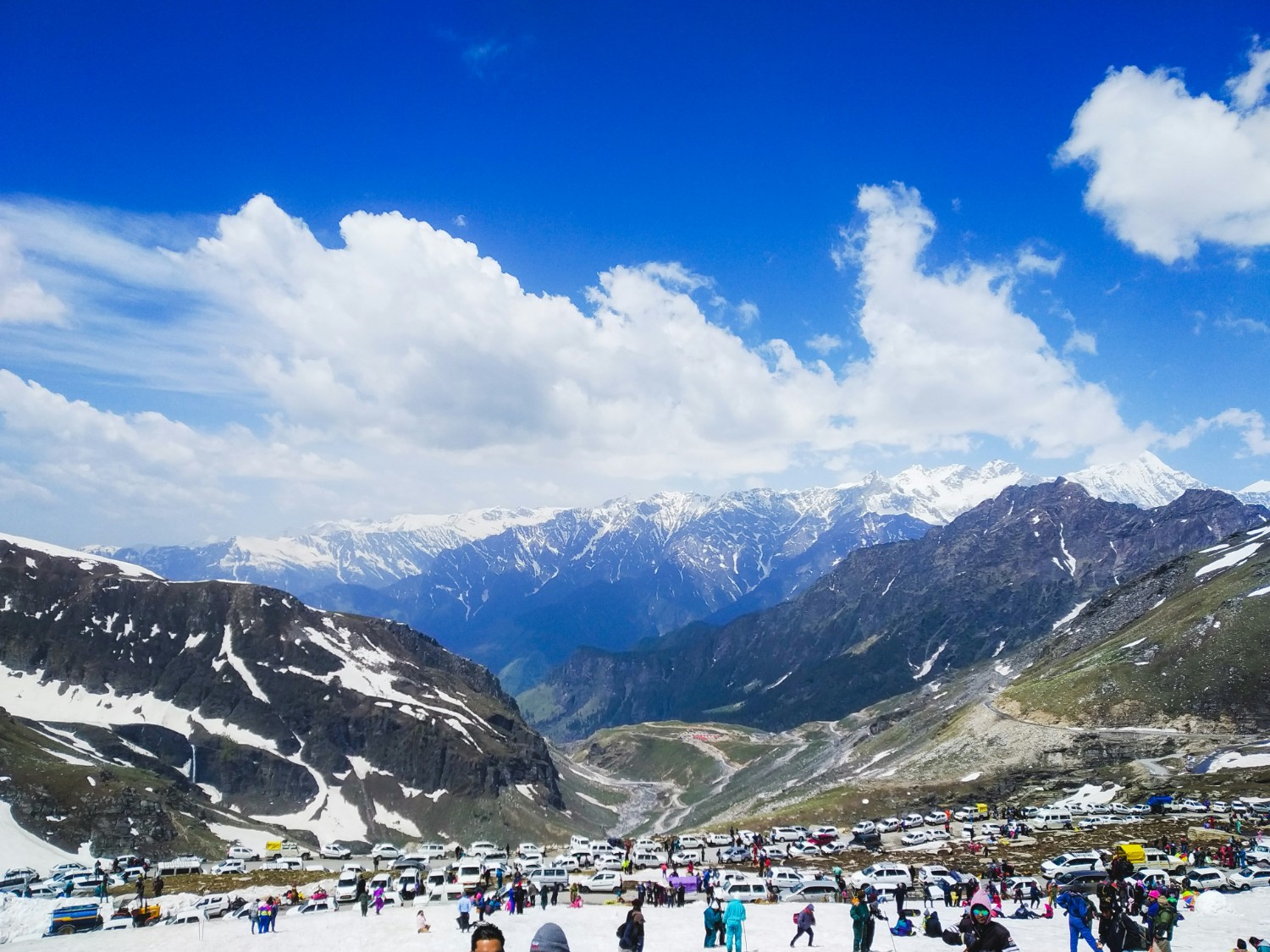
Kullu is one of the most popular Himalayan destinations in Himachal Pradesh, known for its scenic valleys, the Beas River, traditional temples, village deity culture, adventure activities and access to several well-known mountain destinations. Often described as the “Valley of Gods”, Kullu offers a combination of nature, culture, spirituality and outdoor experiences.
The wider Kullu region includes well-known destinations such as Manali, Naggar, Manikaran, Kasol, Tirthan Valley, Banjar, Shoja and other Himalayan settlements. The district is also home to important attractions such as the Great Himalayan National Park, Jalori Pass, Bijli Mahadev and historic temples.
If you are looking for the best places to visit in Kullu, this guide helps you explore the major towns, valleys, religious sites, nature destinations and famous attractions that can be included in a Kullu trip.
Best Kullu Tourist Places to Visit
Kullu tourism is not limited to Kullu town. The district has several destinations, each offering a different travel experience. From the busy tourist centre of Manali to the quieter landscapes of Tirthan Valley and Shoja, travellers can choose destinations according to their interests.
Kullu
Kullu is the administrative headquarters of Kullu district and lies along the Beas River. The town is known for its valley views, temples, traditional culture and the internationally known Kullu Dussehra festival.
Important attractions in and around Kullu include Raghunath Temple, Bijli Mahadev Temple, Sultanpur Palace, Vaishno Devi Temple and the Beas River surroundings.
Kullu is also a useful base for exploring other parts of the district and is well connected by road. The Kullu-Manali Airport is located at Bhuntar, around 10 km from Kullu town according to Himachal Tourism.
Manali
Manali is one of the most famous destinations in Kullu district and is situated in the Beas River valley. It combines mountain scenery, forests, temples, adventure activities and access to high-altitude areas.
Popular places to explore around Manali include Hadimba Devi Temple, Manu Temple, Vashisht, Old Manali, Manali Gompa, Nehru Kund, Solang Valley and the surrounding mountain areas.
Manali is also an important base for activities such as trekking, river-based adventure and mountain tourism.
Naggar
Naggar is a historic settlement on the left bank of the Beas River and is known for its heritage, temples, art and views of the surrounding valley.
The major attractions include Naggar Castle, Gauri Shankar Temple, Tripura Sundari Temple and the Nicholas Roerich Art Gallery. Naggar Castle is one of the region's notable heritage attractions and reflects the traditional architecture of the Kullu Valley.
Naggar is suitable for travellers interested in history, architecture, local culture and quieter mountain landscapes.
Manikaran
Manikaran is located in the Parvati Valley and is an important pilgrimage and tourist destination. It is known for its hot springs, Manikaran Sahib and religious sites associated with both Hindu and Sikh traditions.
The destination attracts pilgrims as well as travellers exploring the Parvati Valley. Himachal Tourism places Manikaran about 45 km from Kullu and notes that it can be reached by public or private transport.
Kasol
Kasol is a popular destination in the Parvati Valley, situated along the River Parvati. It is known for its mountain scenery, cafés, trekking routes, camps and access to nearby villages and valleys.
Kasol is particularly popular among young travellers, backpackers and visitors looking to explore the Parvati Valley. Regular buses and taxis provide access to the destination.
Tirthan Valley
Tirthan Valley is known for its rivers, forests, mountain villages and peaceful natural surroundings. The area is also associated with trekking, angling and access to the Great Himalayan National Park.
For travellers looking for a quieter alternative to busy tourist centres, Tirthan Valley offers opportunities to experience the natural landscape and rural side of Kullu district.
Banjar
Banjar is an important destination in the Tirthan Valley region and is particularly known for angling and access to nature and trekking areas.
The clear waters of the Tirthan River support trout, making the region relevant for visitors interested in angling. Banjar also provides access to several mountain villages and outdoor experiences.
Shoja
Shoja is a small mountain settlement surrounded by forests and apple orchards. It is known for its peaceful environment and panoramic mountain views.
Shoja also serves as a base for routes towards Jalori Pass and Serolsar Lake, making it a useful destination for travellers interested in nature walks and short Himalayan treks.
Jalori Pass
Jalori Pass is a scenic mountain pass associated with the Kullu region and provides views of surrounding forests, valleys and Himalayan landscapes.
A popular experience from the Jalori area is the trek towards Serolsar Lake. The pass receives heavy snowfall in winter, and road access can be affected during the colder months.
Great Himalayan National Park
The Great Himalayan National Park (GHNP) is one of the most important natural attractions in Kullu district. It is recognised as a UNESCO World Heritage Site and protects a large Himalayan ecosystem containing forests, alpine landscapes and diverse wildlife.
The park is particularly relevant for trekking, wildlife observation, birdwatching and nature-based travel. Himachal Tourism notes that the park covers approximately 1,171 sq. km and includes habitats supporting species such as the Himalayan thar, snow leopard, blue sheep, Himalayan brown bear, western tragopan and monal.
Famous Places to Visit in Kullu
Apart from the major towns and valleys, Kullu district has many individual attractions that can be explored during a trip.
Some of the important Kullu tourist places and attractions include:
-
Raghunath Temple
-
Bijli Mahadev Temple
-
Sultanpur Palace
-
Vaishno Devi Temple
-
Great Himalayan National Park
-
Naggar Castle
-
Gauri Shankar Temple, Naggar
-
Tripura Sundari Temple, Naggar
-
Manikaran Sahib
-
Jalori Pass
-
Serolsar Lake
-
Tirthan Valley
-
Solang Valley
-
Hadimba Devi Temple
-
Manu Temple
-
Vashisht
-
Nehru Kund
These attractions represent different aspects of Kullu tourism, including nature, adventure, spirituality, history, architecture and local culture. The official Kullu district tourism listings also identify Manali, Manikaran, Naggar and other destinations among the district's important tourist areas.
Things to Do in Kullu
Kullu is suitable for travellers who want more than sightseeing. Depending on the destination and season, visitors can explore:
-
River rafting in the Beas
-
Trekking in Himalayan valleys
-
Camping
-
Angling around Banjar and Tirthan
-
Nature and wildlife exploration
-
Birdwatching
-
Visiting temples and heritage sites
-
Exploring traditional villages
-
Experiencing local festivals and culture
Himachal Tourism specifically highlights rafting in the Beas, trekking, angling around Banjar and camping around Raison as activities associated with Kullu.
Kullu Dussehra
Kullu Dussehra is one of the most important cultural events associated with Kullu. Unlike many Dussehra celebrations that conclude on Vijay Dashami, the Kullu celebration begins around Vijay Dashami and continues as a major gathering of village deities and devotees.
Kullu town becomes especially lively during the festival, with traditional processions, cultural activities and the gathering of deities from different parts of the valley. The festival is closely associated with Lord Raghunath and the traditional devta culture of the region.
Best Time to Visit Kullu
The best time to visit Kullu depends on what you want to experience.
March to June:
A good period for pleasant-weather sightseeing, outdoor activities and exploring the valleys.
July to September:
The monsoon brings rainfall to the region. Travellers should check weather and road conditions before planning mountain travel during this period.
October to November:
A particularly interesting period for visitors who want to experience Kullu's cultural atmosphere and Dussehra celebrations.
December to February:
Winter brings colder conditions and opportunities to experience snow in higher areas, although access to some mountain routes can be restricted by snowfall.
Himachal Tourism describes summer as a suitable period for escaping the heat of the plains, autumn as a good time for experiencing Kullu Dussehra and winter as the season for colder conditions and possible snowfall.
How to Reach Kullu
By Air
The nearest airport serving Kullu is Kullu-Manali Airport at Bhuntar, located around 10 km from Kullu town. Flight availability can vary, so travellers should check the current schedule before planning a trip.
By Road
Kullu has good road connectivity and is connected with destinations including Manali, Chandigarh, Delhi and other parts of Himachal Pradesh. Buses, taxis and private vehicles are commonly used to travel around the region.
By Rail
Kullu does not have a broad-gauge railway station. Travellers generally combine rail travel to a nearby railway point with road transportation to reach Kullu. Himachal Tourism lists Chandigarh and Kiratpur Sahib among the broad-gauge access points and also mentions the Pathankot–Joginder Nagar narrow-gauge route.
Kullu Travel Tips
-
Check the weather before travelling to higher-altitude areas.
-
Keep warm clothing even during summer because mountain weather can change quickly.
-
Carry comfortable shoes if you plan to explore temples, trails or villages.
-
Check road conditions before travelling to high passes during winter.
-
Respect local customs and religious places.
-
Avoid littering in valleys, forests and trekking areas.
-
Follow safety instructions near rivers and steep mountain areas.
-
For trekking and protected areas, check whether permits or local guidance are required.
Why Visit Kullu?
Kullu offers a combination that is difficult to find in a single destination. Travellers can explore river valleys, forests, temples, heritage sites, traditional villages, adventure activities and protected Himalayan landscapes within the same district.
From the busy tourist centre of Manali and the cultural atmosphere of Kullu town to the quieter landscapes of Tirthan Valley, Shoja and Naggar, the region provides different experiences for different types of travellers.
For nature lovers, the Great Himalayan National Park offers an important protected Himalayan ecosystem. For pilgrims, destinations such as Manikaran provide major religious significance. For adventure travellers, the region offers trekking, rafting, camping and other outdoor experiences.
Conclusion
Kullu tourist places offer much more than a single sightseeing destination. The district brings together famous towns such as Kullu and Manali, peaceful destinations such as Tirthan Valley and Shoja, cultural and religious places such as Manikaran and Raghunath Temple, heritage attractions in Naggar and major natural areas such as the Great Himalayan National Park.
Whether you are planning a family holiday, a nature trip, a pilgrimage, an adventure journey or a Himalayan road trip, exploring the different destinations within Kullu can help you experience the region beyond its most popular tourist centres.