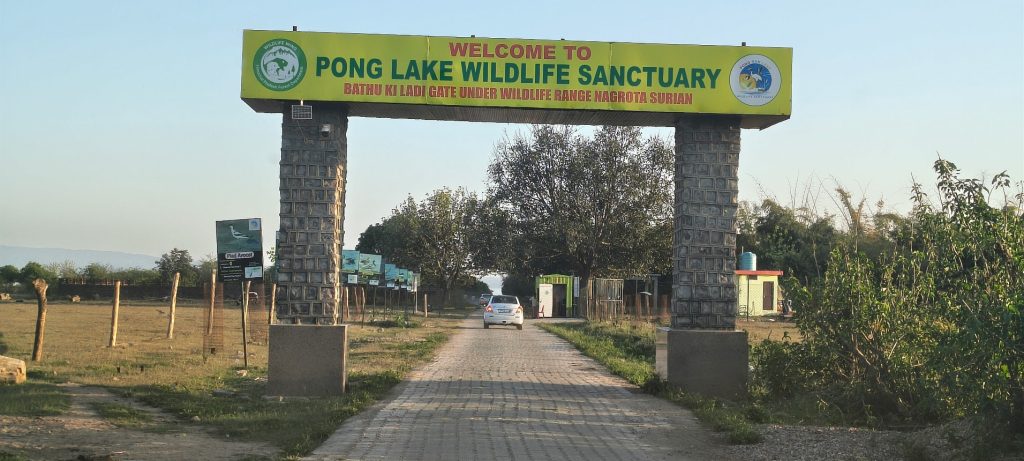
Pong Dam: Best Places to Visit & Travel Guide

About Pong Dam: Best Places to Visit & Travel Guide
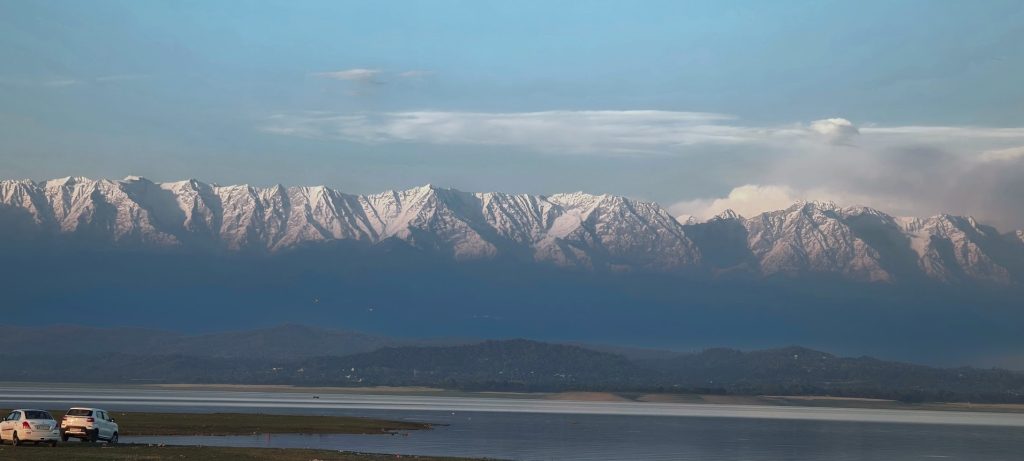
Pong Dam, also known as Maharana Pratap Sagar, is a scenic reservoir located on the Beas River in Kangra district, Himachal Pradesh. Surrounded by the Shivalik foothills, the lake is known for its expansive water views, migratory birds, water sports and natural beauty. It is also home to the Pong Lake Wildlife Sanctuary, a Ramsar wetland of international importance. Popular attractions around Pong Dam include Khatiyar, Nagrota Surian, Rancer Island and the seasonally visible Bathu Ki Ladi Temple. Visitors can enjoy birdwatching, photography, boating where available and exploring nearby historical sites such as Masroor Rock Cut Temples and Kangra Fort. Winter is especially popular for birdwatching, while summer is often suitable for enjoying lake views and outdoor activities.
Details & Guide
Pong Dam: Best Places to Visit, Things to Do and Travel Guide
Pong Dam is one of the most interesting nature and wildlife destinations in Himachal Pradesh. Located on the Beas River in Kangra district, this large reservoir is also known as Maharana Pratap Sagar or Pong Dam Lake. With its expansive waters, surrounding hills and rich birdlife, the area offers a different experience from the hill stations and mountain destinations for which Himachal Pradesh is widely known.
Pong Dam is particularly popular among birdwatchers, nature lovers, photographers and travellers looking for peaceful lakeside landscapes. The wider area also offers opportunities for water sports, seasonal visits to ancient temples and excursions to historical attractions around Kangra.
One important thing to know before planning your trip is that Pong Dam covers a large area. Khatiyar, Nagrota Surian and the Bathu Ki Ladi Temple area are different locations around the reservoir, and they are not necessarily within walking distance of one another. Planning your route in advance will help you make the most of your visit.
History of Pong Dam
Pong Dam was constructed on the Beas River and completed in 1974–75. The reservoir created by the dam was named Maharana Pratap Sagar in honour of Maharana Pratap.
The dam was developed primarily for water management, irrigation and flood control. Over time, the reservoir and its surrounding wetlands also became important habitats for fish and waterbirds.
The area was declared a wildlife sanctuary in 1983, and the wetland received international recognition as a Ramsar site in 2002. Today, Pong Dam is important not only for its role in water management but also for its biodiversity and tourism potential.
The reservoir has become a destination for nature-based tourism, especially during the winter migration season when large numbers of birds arrive in the region.
Why Is Pong Dam Famous?
Pong Dam is famous for its vast lake landscape, migratory birds, wildlife habitat and outdoor activities. Unlike a conventional tourist attraction with a single entrance and viewing area, the reservoir has several points from which visitors can experience its natural surroundings.
The main reasons to visit include:
-
Scenic lake views: Enjoy wide views of the reservoir and the surrounding Shivalik foothills.
-
Birdwatching: Observe migratory and resident birds, particularly during winter.
-
Water sports: Explore activities such as kayaking, canoeing, rowing and sailing where facilities are operating.
-
Bathu Ki Ladi Temple: Visit the unusual ancient temple complex when reservoir levels allow it to become visible and accessible.
-
Rancer Island: Consider a boat excursion to this island when authorised services and conditions permit.
-
Photography: Capture lake landscapes, birdlife and the changing colours of the surrounding countryside.
Your experience will depend on the season and the specific part of the reservoir you choose to visit.
Best Places to Visit Around Pong Dam
1. Khatiyar – Lake Views and Water Sports
Khatiyar is one of the important tourism areas associated with Pong Dam. It is known for lake views, scenic vantage points and access to water-based recreational activities when available.
Visitors can enjoy the landscape, take photographs and enquire about authorised water sports at the Regional Centre for Water Sports. Activities may include kayaking, canoeing, rowing, sailing and water skiing, depending on operational arrangements and conditions.
Khatiyar is a good option for travellers who want to enjoy the lake itself rather than focus only on temples or birdwatching.
Best for: Scenic views, photography, outdoor recreation and water sports.
Travel tip: Confirm which activities are operating on your visit date, along with fees, timings and safety requirements.
2. Pong Lake Bird Sanctuary, Nagrota Surian
Pong Lake Bird Sanctuary is one of the most important natural attractions in the region. The reservoir and surrounding wetlands provide habitats for numerous resident and migratory bird species.
During winter, birds migrate to the wetland from colder regions, making the area particularly attractive to birdwatchers and wildlife photographers. Species may include bar-headed geese, northern pintails, ruddy shelducks, herons and other waterbirds, depending on the season.
Nagrota Surian is an important access area for exploring the bird sanctuary. Early mornings can be rewarding for birdwatching, when bird activity is often high and the light is suitable for photography.
Best for: Birdwatching, wildlife photography and nature experiences.
Best time: November to February is a particularly popular period for migratory birds.
Travel tip: Follow wildlife sanctuary rules and confirm whether permits, guided access or boat arrangements are required for your intended area.
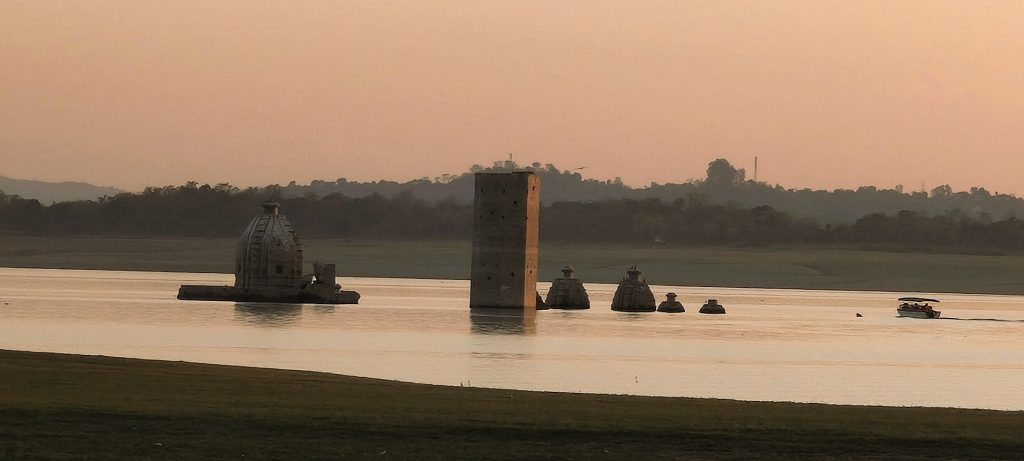
3. Bathu Ki Ladi Temple
Bathu Ki Ladi is a group of ancient stone temples associated with the Pong Dam reservoir. The complex is known for its unusual seasonal visibility: it remains submerged for much of the year and becomes visible when the water level recedes.
The temples are associated with Hindu religious traditions, and local folklore connects them with the Pandavas. This association is a traditional legend rather than a conclusively established historical account.
The best opportunity to see the temples is generally during the period when reservoir levels are low, often between March and June. However, the exact timing changes from year to year.
Best for: History, local legends, architecture and photography.
Important: Check the current water level, access route and ground conditions before visiting. Do not enter unsafe areas or attempt to approach submerged structures by swimming.
4. Rancer Island
Rancer Island, also spelled Ranser Island, is an island within Pong Dam Lake known for its natural setting and wildlife. It offers a different experience from the developed viewpoints around the reservoir, with opportunities to appreciate the lake landscape and observe nature.
The island is also associated with birdlife and reptiles. Visitors should treat it as a natural area and avoid disturbing wildlife.
Access may require a boat journey from a suitable departure point, such as the Khatiyar area. Boat services, landing arrangements and access permissions depend on local conditions.
Best for: Nature lovers, adventurous travellers and photography enthusiasts.
Travel tip: Confirm authorised boat access and local wildlife rules before planning an island visit. Do not assume that transport is available every day.
5. Pong Dam Lake Viewpoints
The extensive shoreline offers opportunities to enjoy the reservoir from different locations. Depending on the access point, visitors may find open views of the water, surrounding hills, small settlements and changing landscapes.
Some locations are better suited to quiet photography, while others may provide access to boating or other recreation.
Rather than searching for one single Pong Dam viewpoint, choose an accessible location according to your interests and current road conditions.
Best for: Relaxed sightseeing, sunset photography where conditions permit, and enjoying the landscape.
6. Pong Dam Wildlife Sanctuary
The wider Pong Dam Wildlife Sanctuary protects the reservoir and important surrounding habitats. Its ecological importance makes it a worthwhile destination for travellers interested in nature and conservation.
The sanctuary is particularly significant during the migratory bird season. Depending on the area, visitors may encounter wetlands, open water, birds and other wildlife.
Not every part of the sanctuary is freely accessible, so check applicable rules before entering restricted or managed areas.
Best for: Nature observation, birdwatching and learning about wetland conservation.
Other Places to Visit Near Pong Dam
If you have additional time, you can include some of Kangra district's historical and cultural attractions in your itinerary. These are separate excursions, so check road distances and travel times before planning them on the same day.
1. Masroor Rock Cut Temples
Masroor Rock Cut Temples are a remarkable historical attraction in Kangra district. Carved from a single rock formation, the temple complex is known for its distinctive architecture and religious sculptures.
It is an excellent choice for visitors interested in ancient temples, art and architectural heritage.
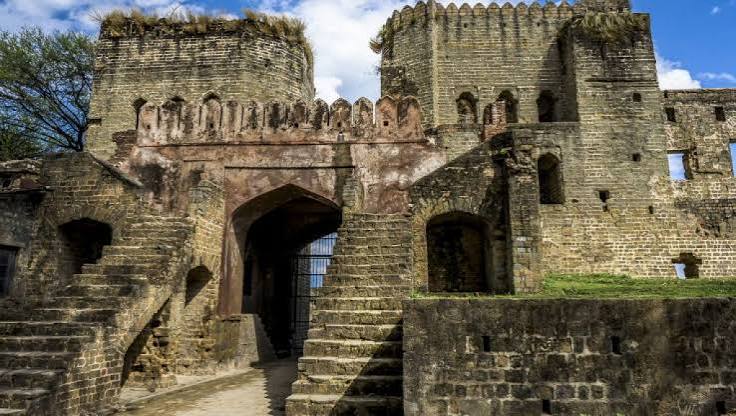
2. Kangra Fort
Kangra Fort is one of the region's most prominent historical landmarks. Associated with the Katoch dynasty, the fort reflects the long political and cultural history of Kangra.
Visitors can explore its surviving fortifications and enjoy views of the surrounding landscape. Allow enough time for the road journey if you are combining it with a Pong Dam visit.
3. Pragpur Heritage Village
Pragpur is known for its traditional architecture and heritage character. Its old buildings and historic atmosphere make it an interesting stop for travellers who want to explore the cultural side of Kangra district.
Pragpur can be included in a wider itinerary, particularly if you are spending more than one day in the region.
4. Garli Heritage Village
Garli is another heritage destination near Pragpur, known for its traditional buildings and historic character. It can appeal to travellers interested in architecture, village culture and photography.
Check local access and opening arrangements for individual heritage properties before visiting.
Things to Do at Pong Dam
There is more to Pong Dam than simply looking at the lake. The activities available depend on the season, location and operating arrangements.
Birdwatching
Winter is the main season for observing migratory birds. Carry binoculars and, if possible, a camera with a suitable zoom lens. Maintain a respectful distance and avoid disturbing birds, particularly in feeding and resting areas.
Boating and Water Sports
Where authorised services are available, visitors may be able to enjoy boating or water sports. The Regional Centre for Water Sports at Pong Dam has offered training and facilities for activities such as kayaking, canoeing, rowing, sailing and water skiing.
Availability for casual tourists can vary. Contact the relevant centre or local tourism authorities before making plans.
Photography
Pong Dam offers opportunities for landscape, wildlife and travel photography. Early morning can be particularly useful for bird photography, while clear weather may provide expansive views across the water.
Follow restrictions on photography in managed wildlife areas and avoid approaching birds or other wildlife too closely.
Cycling and Exploring Local Villages
Village roads and accessible areas around the reservoir may suit relaxed cycling or short explorations, depending on the route. Check traffic, road conditions and access restrictions before setting out.
Choose routes appropriate for your fitness level and carry sufficient drinking water.
Enjoying a Peaceful Lakeside Visit
If you prefer a quieter outing, select an accessible viewpoint, spend time enjoying the landscape and explore nearby villages. Always use safe, accessible areas rather than approaching steep banks or unstable sections of the reservoir.
Best Time to Visit Pong Dam
The best time to visit Pong Dam depends on what you want to experience.
November to February: Best for Birdwatching
Winter is particularly popular among birdwatchers because migratory birds arrive at the reservoir and surrounding wetlands. This period is a good choice for wildlife observation and photography.
Mornings can be cold, so carry warm clothing and check the weather forecast before travelling.
March to June: Best for Lake Views and Bathu Ki Ladi
The warmer months are often suitable for enjoying scenic views and outdoor sightseeing. Falling reservoir levels may also make Bathu Ki Ladi Temple visible.
However, the temple's visibility and the availability of water sports vary according to current conditions.
July to September: Monsoon Season
Rainfall can change water levels, road conditions and access arrangements. Outdoor activities may be affected, and visitors should check local updates before travelling.
October: Seasonal Transition
October can be a useful time to enjoy the reservoir landscape as the region moves towards winter. Bird arrivals and local conditions vary, so check current reports if wildlife observation is your priority.
Quick recommendation: Visit between November and February for birdwatching. Consider March to June if seeing Bathu Ki Ladi Temple is your main priority.
Weather at Pong Dam
Pong Dam experiences warm summers, a monsoon season and cooler winters. Conditions can vary across the reservoir, so it is best to check the forecast for your chosen access point.
-
Spring: Generally suitable for sightseeing and exploring the surrounding area.
-
Summer: Days can become warm, making water, sunscreen and a hat useful.
-
Monsoon: Rainfall may affect roads, visibility and outdoor activities.
-
Winter: Cooler mornings and evenings are common, while birdwatching conditions may be rewarding.
These are general seasonal patterns rather than a verified temperature forecast. Check current weather conditions before departure.
How to Reach Pong Dam
Pong Dam covers a large area, so your route should depend on which attraction you want to visit.
By Road
Pong Dam can be reached from Kangra, Dharamshala and other towns in Himachal Pradesh. The official Kangra district tourism information gives approximate road distances of 55 km from Dharamshala, 110 km from Amritsar, 170 km from Chandigarh and 466 km from Delhi. Actual distances and journey times depend on the chosen access point and route.
A private vehicle or taxi can be convenient if you plan to visit multiple locations around the reservoir.
By Bus
Bus services are available to towns in the wider Kangra region. From your arrival town, you may need a local bus or taxi to reach Khatiyar, Nagrota Surian, Bathu Ki Ladi or another specific location.
Check the latest bus schedules and onward transport options before travelling.
By Air
Kangra Airport at Gaggal serves the wider region. From the airport, continue by road towards your chosen Pong Dam access point.
Flight availability and the onward journey depend on your travel date and destination around the reservoir.
By Train
Pathankot is an important broad-gauge railway connection for this region. From the station, continue by road towards your selected access point. Other railway options may be suitable depending on your starting location and current services.
How Many Days Are Needed for Pong Dam?
A day trip may be enough if you want to visit one main area, enjoy lake views or explore a single attraction.
If you want to combine birdwatching, water sports, Bathu Ki Ladi and nearby heritage destinations, consider allowing two days. The distances between access points can make it difficult to cover every attraction comfortably in a single day.
Plan your itinerary around the activities you care about most rather than trying to visit every location around the reservoir.
Suggested Pong Dam Itinerary
One-Day Trip
-
Start early and travel to your chosen reservoir access point.
-
Visit Khatiyar for lake views or enquire about water sports.
-
Explore another accessible viewpoint if time allows.
-
If Bathu Ki Ladi is your priority, plan the day around its current visibility and safe access rather than assuming it can be combined easily with every other attraction.
Two-Day Trip
Day 1: Explore Khatiyar, enjoy the reservoir scenery and check the availability of authorised water activities.
Day 2: Focus on birdwatching around Nagrota Surian during the appropriate season, or visit Bathu Ki Ladi when the temples are visible. If time and road conditions permit, consider a separate trip to Masroor Rock Cut Temples or another heritage attraction.
Rancer Island should be included only after confirming boat access and the time required for the excursion.
Travel Tips for Pong Dam
-
Decide which part of the reservoir you want to visit before starting your journey.
-
Check the weather and road conditions on your travel date.
-
Confirm boating and water sports availability in advance.
-
Carry binoculars if birdwatching is part of your plan.
-
Respect wildlife and follow sanctuary access rules.
-
Carry drinking water, sun protection and suitable footwear.
-
Wear warm clothing for winter mornings and evenings.
-
Do not enter restricted areas or approach unsafe reservoir edges.
-
Confirm the visibility of Bathu Ki Ladi Temple before travelling.
-
Keep the wetland clean and avoid disturbing local wildlife.
Why Visit Pong Dam?
Pong Dam offers a different kind of Himachal Pradesh experience, combining a vast reservoir landscape with rich wetland biodiversity and cultural attractions. From winter birdwatching at Nagrota Surian to scenic views at Khatiyar and the seasonal appearance of Bathu Ki Ladi Temple, the region has something for nature lovers, photographers and history enthusiasts.
The key to enjoying Pong Dam is choosing the right location and season. Plan your visit around your interests, confirm local access and activity availability, and leave enough time to explore the reservoir without rushing between distant attractions.
FAQs
Common questions about this place
Pong Dam is located on the Beas River in Kangra district, Himachal Pradesh. Its reservoir is also known as Maharana Pratap Sagar.
Pong Dam is known for its expansive lake views, migratory birds, wildlife sanctuary, water sports and nearby attractions such as Bathu Ki Ladi Temple and Rancer Island.
Popular options include Khatiyar, Nagrota Surian and the Pong Lake Bird Sanctuary, Bathu Ki Ladi Temple when visible, and Rancer Island when authorised boat access is available. Masroor Rock Cut Temples and Kangra Fort are additional heritage excursions.
November to February is particularly suitable for birdwatching. March to June may be more suitable for seeing Bathu Ki Ladi Temple as reservoir levels recede.
Boating and water sports may be available at designated locations, depending on operating schedules, weather and safety arrangements. Confirm current availability before visiting.
Yes. Scenic viewpoints, birdwatching and selected outdoor activities can make it a good family outing. Choose accessible locations and follow local safety instructions around the reservoir.
Maharana Pratap Sagar is the name of the reservoir formed by Pong Dam on the Beas River. The names Pong Dam Lake, Pong Reservoir and Maharana Pratap Sagar are commonly used for the same waterbody.
Yes, if the temples are visible and accessible. Their visibility depends on reservoir water levels, so check current conditions before planning your visit.
Need Local Help?
Let our experts help you plan the perfect trip to Pong Dam: Best Place....