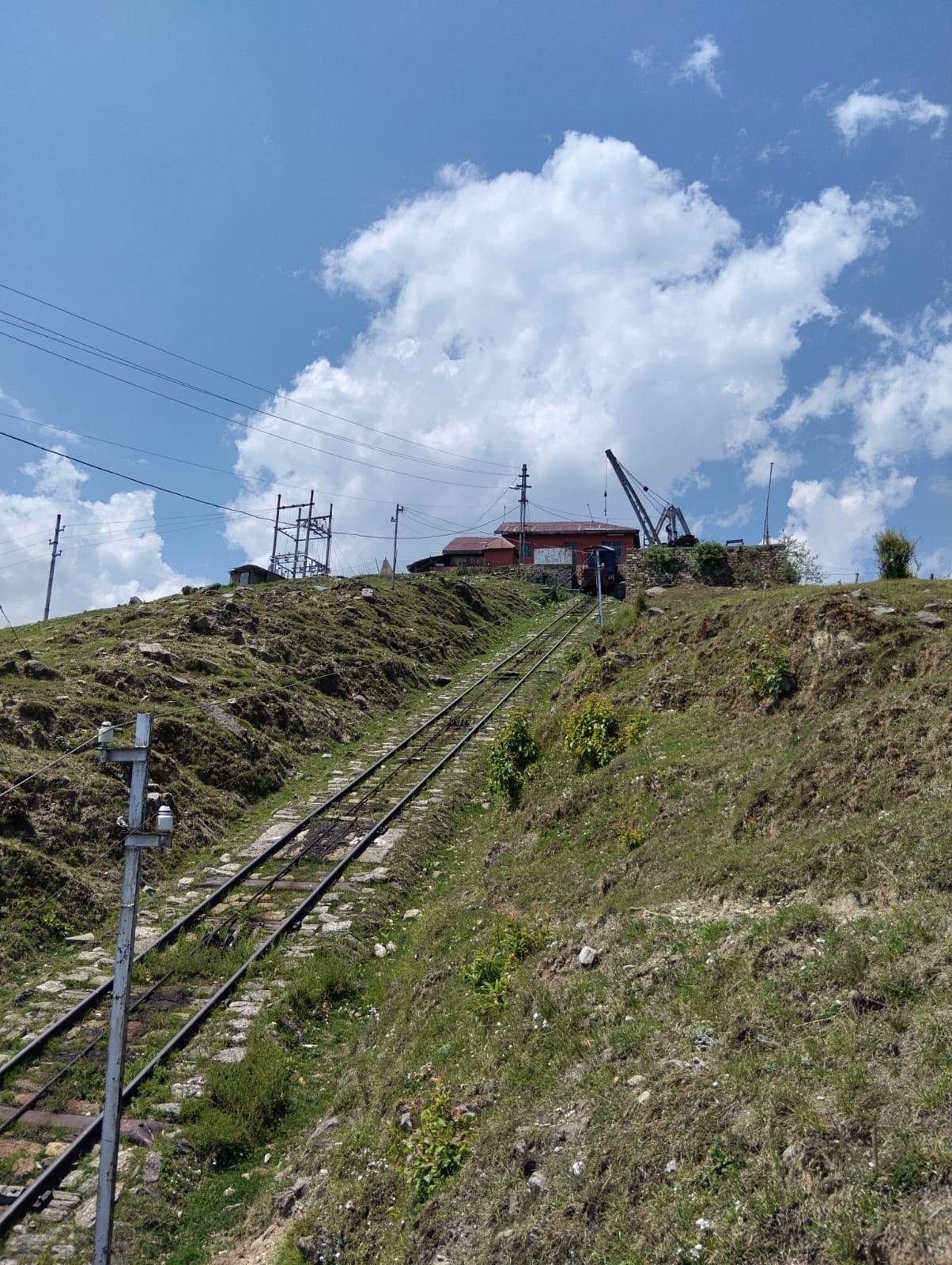
Winch Camp, Jogindernagar
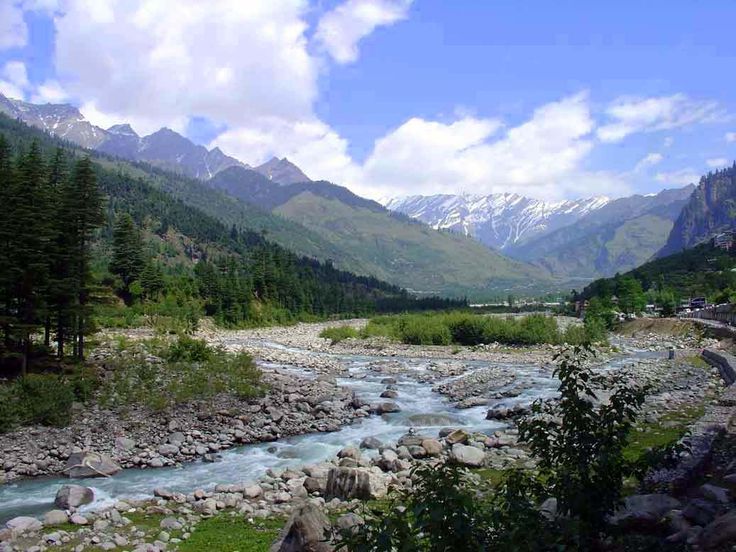
About Winch Camp, Jogindernagar
Winch Camp is an offbeat mountain destination near Jogindernagar in Mandi district, Himachal Pradesh, known for its connection with the historic Shanan Hydel Project and old haulage trolley system. Surrounded by forests and Himalayan landscapes, the area offers scenic views and opportunities for trekking, photography and camping. Winch Camp also forms part of the historic route towards Barot Valley, making it an interesting destination for travellers exploring the engineering heritage and lesser-known trails of Jogindernagar.
Details & Guide
Winch Camp, Jogindernagar, Himachal Pradesh
Winch Camp is one of the most distinctive offbeat destinations in the Jogindernagar Valley of Himachal Pradesh. Located high above Jogindernagar in Mandi district, the area combines Himalayan scenery with the engineering heritage of the historic Shanan Hydel Project and its haulage trolley system.
Unlike conventional hill-station viewpoints, Winch Camp offers a different experience: mountain trails, old railway and haulage infrastructure, rhododendron forests, panoramic Himalayan views and a historic connection with the hydropower development of the Jogindernagar Valley.
Why Is Winch Camp Famous?
Winch Camp is best known for three things: its high-altitude mountain setting, the historic haulage system associated with the Shanan Hydel Project, and its connection with the route towards Barot Valley.
The historic trolley/haulage network was developed to move heavy machinery and construction materials across the steep mountain terrain during the development of the hydel project. The wider system connected the Shanan Power House side of Jogindernagar with the Barot side of the valley.
Today, Winch Camp is particularly interesting for travellers who enjoy offbeat trekking, industrial heritage, photography, camping and Himalayan landscapes.
Winch Camp Location
Winch Camp is located in the Jogindernagar Valley of Mandi district, Himachal Pradesh.
Sources place the camp at roughly 2,400–2,500 metres above sea level, although older local descriptions give the elevation in feet and measurements can vary depending on whether the camp or surrounding ridge is being referred to.
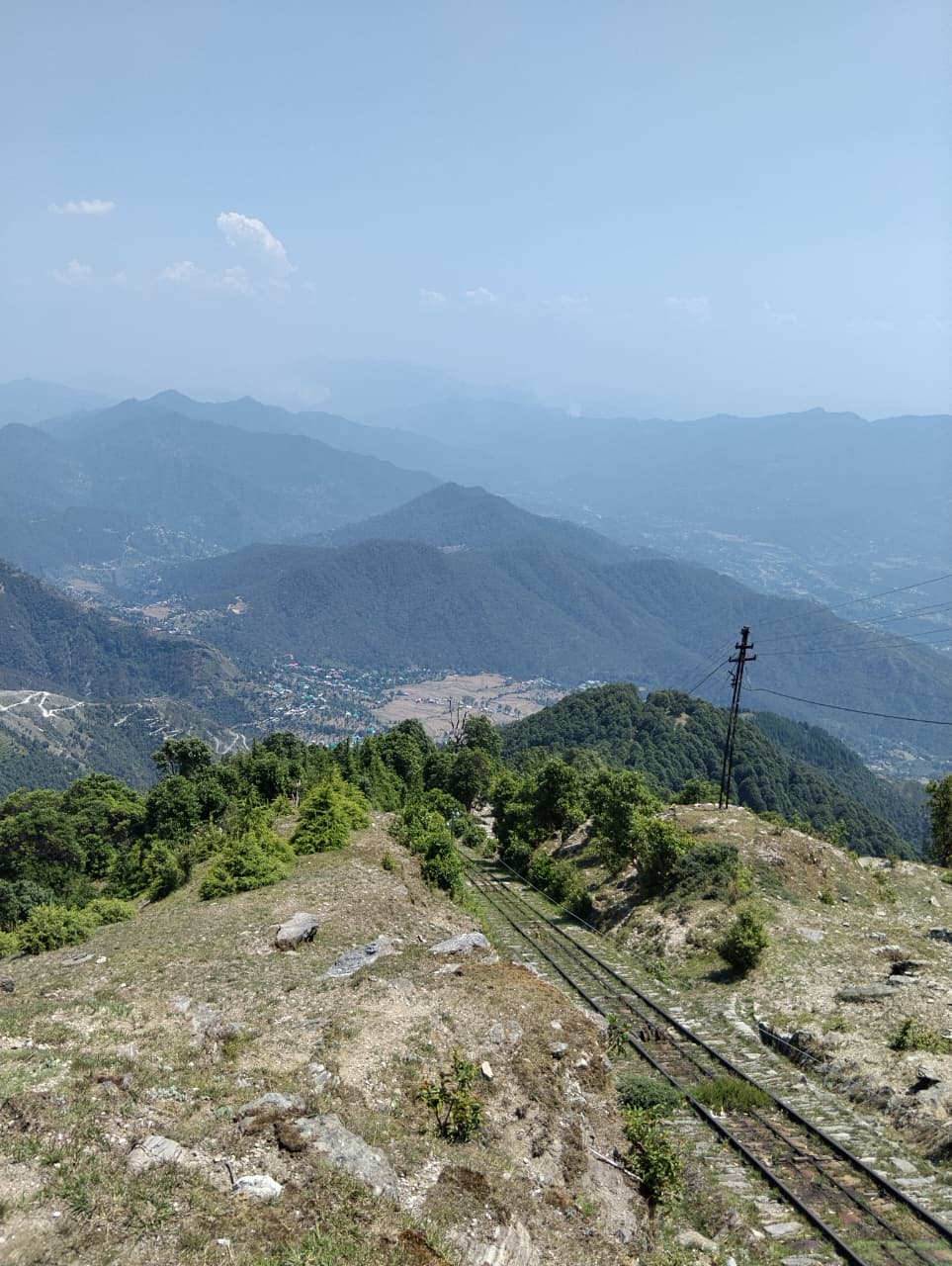
The camp lies on the historic mountain route connecting the Jogindernagar side with the Barot Valley. The surrounding landscape provides views towards the Beas Valley, Mandi hills and the Dhauladhar ranges on clear days.
The Shanan Hydel Project Connection
The story of Winch Camp cannot really be separated from the Shanan Hydel Project.
Jogindernagar's hydropower development began in the 1920s, and the Shanan Power House was commissioned in 1932. The project required an innovative transportation system because conventional roads could not easily move heavy machinery across the steep mountain terrain.
A network of haulage tracks, trolley sections and engineering infrastructure was developed to connect the power project with the high mountain areas and the Barot side.
This makes Winch Camp more than just a viewpoint. It is part of the engineering story that helped transform Jogindernagar into an important early hydropower centre.
The Historic Winch Camp Trolley Route
The Jogindernagar haulage trolley is one of the most unusual features associated with this region.
Historic accounts describe the trolley/haulage system as a means of transporting machinery and materials during the construction and operation of the hydel works. The route included Winch Camp, Headgear, Katheru and the descent towards Barot.
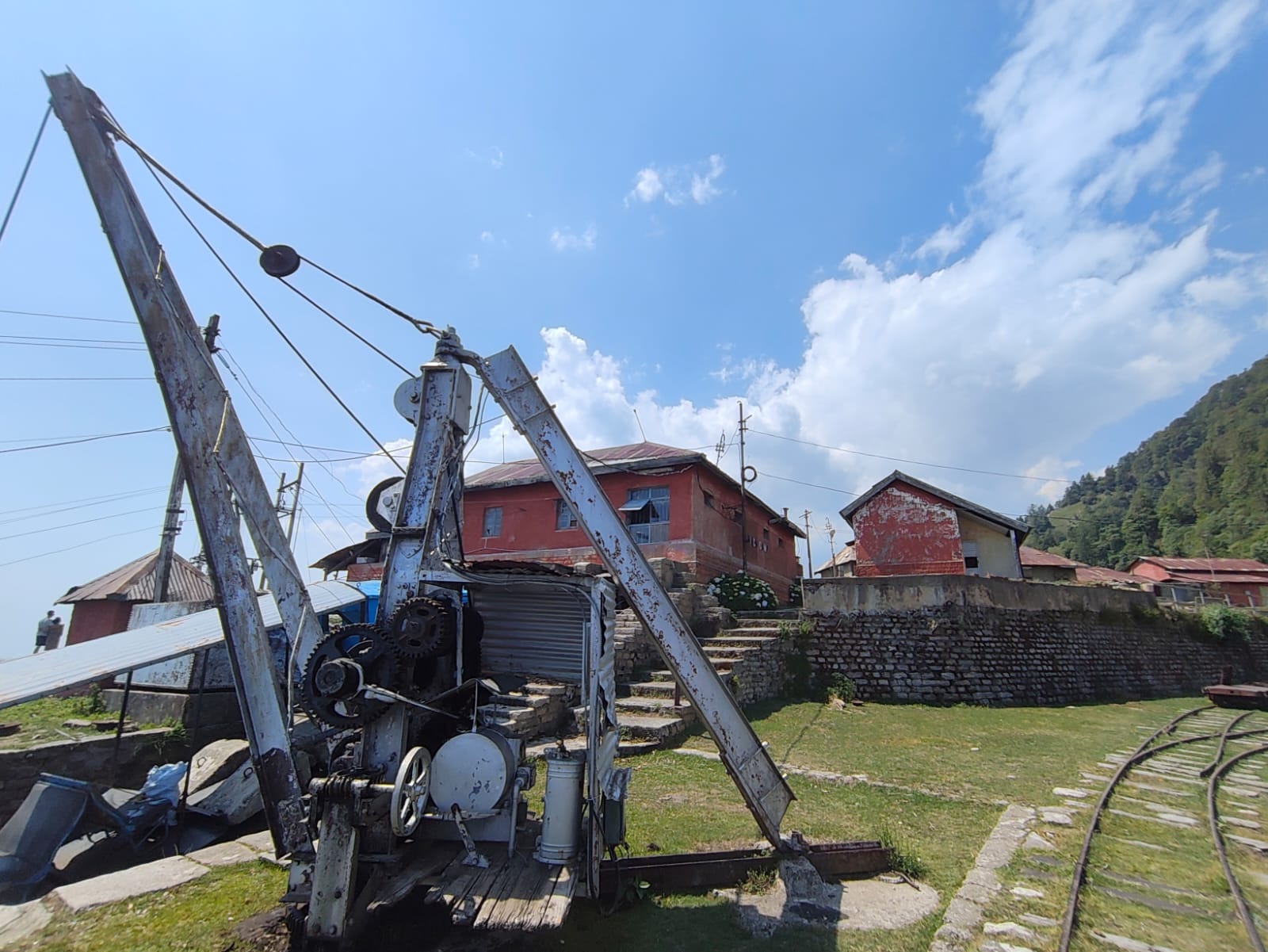
The remaining track and engineering structures are particularly interesting for visitors interested in industrial heritage, old railway systems and Himalayan engineering.
Is the Winch Camp Trolley Open to Tourists?
Travellers should not assume that the historic trolley operates as a regular tourist service.
Older trekking literature mentions that trolley travel required permission from Shanan Project authorities, while current sources describe parts of the historic route as non-operational or inaccessible to ordinary visitors. Access conditions can change, so travellers should confirm locally before planning a trolley ride.
For most visitors, trekking and local road access are the safer planning assumptions.
Winch Camp Trek
The Winch Camp trek is one of the main ways adventure travellers experience the destination.
A current trail listing describes a roughly 5.8 km out-and-back route near Joginder Nagar with significant elevation gain and an estimated hiking time of around 4–5 hours, depending on conditions and the route taken.
Older trekking guides also describe the Jogindernagar–Winch Camp–Barot route as part of a longer mountain journey through the historic haulage corridor.
Because local trails can vary, visitors should rely on current local guidance rather than treating older route distances as fixed.
Winch Camp to Barot
Winch Camp is also associated with the historic route towards Barot Valley.
From the Winch Camp side, the old haulage corridor continues towards Headgear and Katheru before reaching the Barot side of the mountain. Some sections of the old route are no longer used for regular trolley transport, making this a route primarily of interest to trekkers and adventure travellers.
For travellers exploring both destinations, Winch Camp can therefore become part of a broader Jogindernagar–Winch Camp–Barot itinerary.
Headgear and the Old Haulage Route
Headgear is one of the important engineering landmarks associated with the historic haulage system.
The area represents the upper part of the old transportation network and is connected with the route between Winch Camp and the Barot side. The surrounding terrain becomes particularly steep, demonstrating why a specialised haulage system was required in the first place.
For photographers and heritage enthusiasts, the combination of old infrastructure and dramatic mountain terrain is one of the most interesting aspects of this route.
Natural Beauty Around Winch Camp
The journey towards Winch Camp passes through mountain forests, including rhododendron (burans) vegetation in parts of the route.
From the higher areas, travellers can enjoy expansive mountain views towards the Beas Valley, Mandi hills, Kangra-side landscapes and the Dhauladhar range when visibility is good.
During winter, snowfall can transform the upper reaches into a completely different landscape. However, snow conditions and road or trail accessibility can vary considerably from year to year.
Things to Do at Winch Camp
Winch Camp is best suited to travellers looking for an outdoor and offbeat experience.
Trekking
The mountain trails around Winch Camp are the main attraction for adventure travellers. The route combines steep Himalayan terrain with views of the surrounding valleys.
Photography
The old haulage infrastructure, mountain forests and wide Himalayan views make Winch Camp particularly interesting for landscape and heritage photography.
Camping
Winch Camp is known as a mountain camping destination, although visitors should plan for limited facilities and carry essential supplies. Current visitor information describes it as a relatively undeveloped, nature-focused destination rather than a conventional tourist complex.
Explore Himalayan Engineering Heritage
The old haulage route, Headgear and related infrastructure provide an opportunity to understand how heavy machinery was transported through the mountains during the development of the hydel project.
Best Time to Visit Winch Camp
The best time depends on the experience you want.
March to June can be suitable for trekking and enjoying clearer mountain scenery, subject to local weather and trail conditions.
September to November is another attractive period for outdoor exploration, with generally pleasant post-monsoon conditions.
Winter can bring snowfall to the higher reaches. While the snow-covered landscape can be beautiful, access may become difficult and temperatures can drop significantly.
During the monsoon, travellers should be particularly careful about slippery trails, landslides and changing road conditions.
How to Reach Winch Camp
From Jogindernagar
Jogindernagar is the main access point for Winch Camp. From the town, travellers continue towards the Shanan side and then follow the relevant local route towards the mountain.
Because the exact approach can vary depending on current trail and road conditions, it is advisable to confirm the route locally before starting.
By Train
Jogindernagar is historically connected to the Pathankot–Jogindernagar narrow-gauge railway, making the town an interesting starting point for travellers interested in railway and hydropower heritage.
By Road
Jogindernagar is connected by road with Mandi and other towns of Himachal Pradesh. From Jogindernagar, Winch Camp is approached through the local mountain route.
Places to Visit Near Winch Camp
Winch Camp can be combined with several destinations in the wider Jogindernagar–Barot region:
-
Jogindernagar – the main town and gateway to the area
-
Shanan Power House – historic hydropower landmark
-
Barot Valley – scenic mountain valley associated with the Uhl River and hydel reservoirs
-
Headgear – historic haulage-route landmark
-
Katheru – another point along the old mountain route
-
Zero Point – associated with the historic haulage corridor
-
Bir-Billing – major paragliding destination in the wider region
-
Machhial – sacred lake and religious destination near Jogindernagar
Travel Tips for Winch Camp
Winch Camp is an offbeat mountain destination, so travellers should prepare differently from a normal sightseeing trip.
-
Carry sufficient drinking water and snacks.
-
Wear proper trekking shoes for hiking routes.
-
Carry warm clothing even during summer because weather changes quickly at higher elevations.
-
Check local weather before starting.
-
Do not enter restricted hydel-project areas.
-
Do not assume that historic trolley services are available.
-
Take local guidance for trekking routes.
-
Avoid travelling alone on unfamiliar mountain trails.
-
Keep the trail and camping areas clean.
-
Carry a torch/power bank if staying late or camping.
Winch Camp Travel Experience
What makes Winch Camp special is the combination of Himalayan nature and engineering history.
Most Himalayan destinations are promoted for scenery alone. Winch Camp offers something different: an opportunity to walk through a landscape shaped by one of the early hydropower projects of the region while experiencing forests, high mountain trails and expansive valley views.
For travellers exploring Jogindernagar and Mandi district, Winch Camp is an excellent offbeat addition to an itinerary, especially for those interested in trekking, photography, history and lesser-known Himalayan destinations.
FAQs
Common questions about this place
Winch Camp is located near Jogindernagar in Mandi district, Himachal Pradesh. It is situated in the higher mountain area associated with the historic Shanan Hydel Project and its old haulage system.
Winch Camp is famous for its connection with the historic Shanan Hydel Project, old haulage trolley system, mountain trails and scenic Himalayan surroundings. It is also known as an offbeat destination for trekking and exploring the engineering heritage of Jogindernagar.
Yes. Winch Camp is suitable for travellers interested in mountain trekking and offbeat trails. The route includes forested sections, steep Himalayan terrain and views of the surrounding valleys. Trail conditions can vary, so local guidance is recommended before starting.
Winch Camp is part of the historic engineering landscape created during the development of the Shanan Hydel Project. The old haulage system was used to transport machinery and construction materials through the steep mountain terrain around Jogindernagar and towards the Barot Valley.
Travellers should not assume that the historic Winch Camp trolley operates as a regular tourist service. Parts of the old haulage system are no longer used for ordinary tourist travel, and access to project infrastructure may be restricted. Visitors should check the current local situation before planning a trolley journey.
Jogindernagar is the main access point for Winch Camp. Visitors can travel towards the Shanan side and continue through the local mountain route. Because trail and road conditions can change, it is advisable to confirm the current route locally before starting the journey.
Some destinations that can be combined with a Winch Camp trip include Jogindernagar, Shanan Power House, Headgear, Katheru, Barot Valley, Machhial and Bir-Billing. The exact combination depends on the route and time available.
Spring, summer and post-monsoon months are generally suitable for trekking and outdoor exploration. September to November can offer pleasant conditions and clear mountain views. Winter may bring snowfall to higher areas, while monsoon travel requires extra caution because of slippery trails and changing road conditions.
Need Local Help?
Let our experts help you plan the perfect trip to Winch Camp, Joginder....