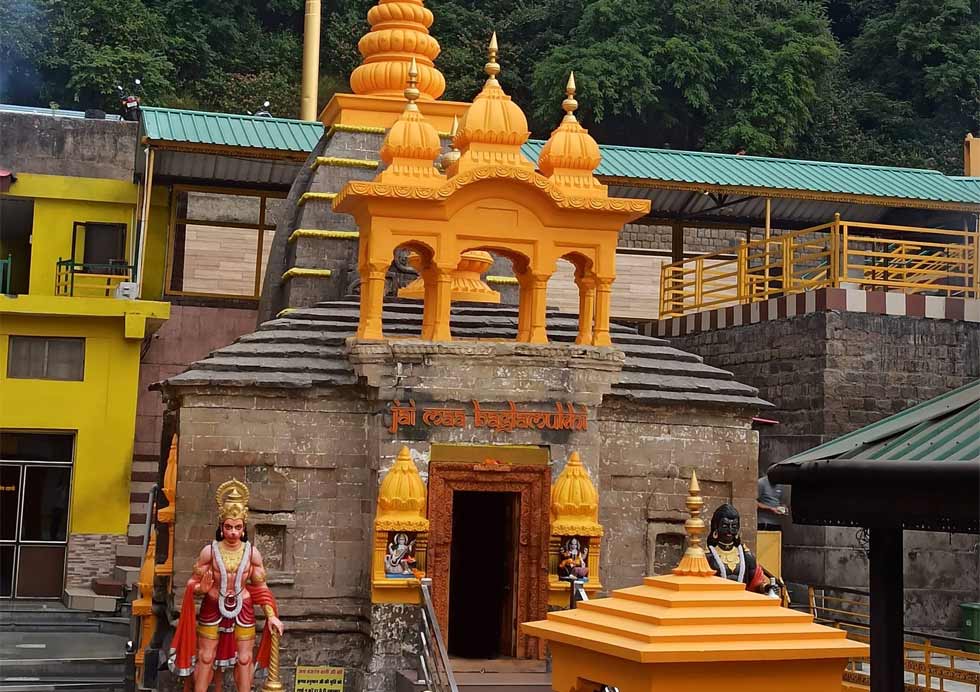
Baglamukhi Temple Kangra


About Baglamukhi Temple Kangra
Complete Guide to Baglamukhi Temple (Bankhandi, Kangra)
Situated in Bankhandi village of Kangra district, baglamukhi temple is one of the most powerful tantric shrines in India. Dedicated to Goddess Baglamukhi—the eighth form among the ten Dasa Mahavidyas—she is worshipped as the deity who paralyzes enemies, dissolves obstacles, and secures victory in legal or political disputes.
Located along the Kangra–Ranital route, baglamukhi temple kangra draws thousands of devotees, public figures, and spiritual seekers each year. Performing rituals at baglamukhi mandir is considered immensely effective for resolving court cases, removing negative energy, and winning competitive endeavors.
⚡ At a Glance
-
Location: Bankhandi, Kangra District, Himachal Pradesh (on NH 154)
-
Presiding Deity: Goddess Baglamukhi (Pitambara Devi)
-
Sacred Color: Yellow (Pitambar)
-
Nearest Airport: Kangra Gaggal Airport (DHM) – 30 km
-
Nearest Railway Station: Ranital (Narrow-gauge) – 6 km / Pathankot Cantt – 90 km
-
Darshan Timings: 5:00 AM – 9:00 PM
-
Entry Fee: Free (Charges apply for special Havans & Pujas)
Details & Guide
History & Spiritual Significance of Baglamukhi Mandir
The origins of baglamukhi temple are tied to ancient Puranic legends. According to Hindu texts, during the Satyuga, a massive cosmic storm threatened to destroy the universe. In response to the prayers of the gods, Goddess Baglamukhi emerged from the Haridra Sarovar (turmeric lake) and calmed the storm.
Locally, it is believed that the Pandavas established the initial shrine here during their exile (Agyatvas) to seek divine blessings for victory. Because Goddess Baglamukhi is associated with the color yellow (Pitambara), all offerings, clothes, and sweets used in worship are traditionally yellow.
Key Rituals & Offerings
1. Special Yellow Havan (Pitambara Yajna)
The primary ritual at baglamukhi temple kangra is the Baglamukhi Havan. Devotees offer yellow mustard seeds, turmeric sticks, yellow flowers, and ghee into the sacred fire while wearing yellow garments to seek protection from court disputes and personal adversaries.
2. Yellow Offerings (Pitambara Prasad)
Everything offered to the deity at baglamukhi mandir centers on yellow:
-
Yellow chuni (cloth) and yellow garlands.
-
Laddoos made of gram flour (Besan) or Chana Dal.
-
Turmeric sticks and yellow mustard.
📊 Timings, Aarti & Essential Info
| Detail Type | Schedule / Information |
| Opening Hours | 5:00 AM – 9:00 PM |
| Morning Aarti | 6:00 AM |
| Evening Aarti | 7:30 PM |
| Havan Timings | Morning 7:00 AM – Evening 6:00 PM |
| Peak Visit Days | Tuesdays, Saturdays & Navratri |
| Dress Code Preference | Yellow attire (recommended for Havans) |
Nearby Places to Visit with Baglamukhi Temple
-
Jawala Ji Temple (20 km): A sacred Shaktipeeth famous for its natural gas flames burning continuously without fuel.
-
Kangra Fort (25 km): One of the oldest and largest hill forts in India, standing above the Banganga River.
-
Brajeshwari Devi Temple (27 km): The famous Kangra Devi Mandir Shaktipeeth in Kangra city.
-
Chintpurni Temple (32 km): A major Shaktipeeth temple located in the neighboring Una district.
How to Reach
-
By Air: The nearest airport is Kangra Gaggal Airport (DHM), located 30 km from baglamukhi temple.
-
By Train: The nearest broad-gauge railway junction is Pathankot Cantt (PTKC) (90 km). The nearest narrow-gauge railway stop is Ranital Station (6 km).
-
By Road: The temple sits directly on the Ranital–Dehra highway (NH 154) and is easily accessible by public buses and private taxis from Kangra (25 km), Dharamshala (40 km), and Chandigarh (200 km).
DANGER & SAFETY WARNINGS (Crucial Travel Advice)
-
Heavy Traffic on Tuesdays & Saturdays: Crowds swell at baglamukhi mandir on Tuesdays and Saturdays. Arrive early in the morning to avoid long wait times for Havans.
-
Authorized Puja Booking: Perform special Havans and Pujas only through official temple trust counters or verified priests to avoid overcharging by unauthorized touts.
-
Highway Parking Alert: The temple is situated along a busy national highway curve. Park cars inside designated paid parking zones rather than along the narrow roadside.
Visitor Etiquette & Protocol
-
Color Tradition: Wear yellow clothes while performing or sitting in the Havan rituals for maximum spiritual resonance.
-
Sanctum Etiquette: Maintain silence and decorum near the inner sanctum. Leather belts and wallets should be stowed before entering the core worship hall.
FAQs
Common questions about this place
Need Local Help?
Let our experts help you plan the perfect trip to Baglamukhi Temple Ka....
More in Dharamshala Tourist Places

Bhagsu Nag Temple Dharamshala
Bhagsu Nag Temple McLeodGanj: History, Timings & Visitor Guide Located at an altitude of approximately 1,780 meters (5,840 feet) in the village of Bhagsunag, the Bhagsu Nag Temple is one of the oldest and most revered shrines in the McLeodGanj region of Dharamshala. Dedicated to Lord Shiva and the local snake deity, Nag Devta, this ancient temple attracts thousands of pilgrims, local villagers, and international visitors throughout the year. Situated just 2 km from McLeodGanj Main Square, the temple complex is famous for its peaceful spiritual atmosphere, traditional architecture, and a sacred natural spring water pool (kund) that flows continuously from the Dhauladhar hills. ⚡ At a Glance Deity: Lord Shiva & Nag Devta Location: Bhagsunag Village (2 km from McLeodGanj / 9 km from Dharamshala) Key Feature: Sacred natural spring water swimming pool Entry Fee: Free Temple Timings: 5:00 AM to 9:00 PM (Everyday) Best Time to Visit: Year-round (Special festivities during Mahashivratri)

Kunal Pathri Temple Dharamshala
Kunal Pathri Temple Dharamshala: History, Timings & Visitor Guide Nestled amid lush green tea gardens and towering pine forests, the Kunal Pathri Temple (also spelled Kapaleshwari Temple) is a revered ancient shrine located near Dharamshala in the Kangra Valley. Situated just 3 km from Kotwali Bazaar (Dharamshala), this peaceful temple is dedicated to Goddess Sati (an incarnation of Goddess Durga). According to local beliefs and Hindu mythology, this holy spot marks the place where the skull (Kapala) of Goddess Sati fell while Lord Shiva carried her body across the Himalayas. The temple is famous for a unique stone bowl inside the sanctum that naturally holds water, which locals believe never dries up completely. ⚡ At a Glance Deity: Goddess Kapaleshwari (Form of Goddess Sati / Durga) Location: Near Sheela Chowk / Kotwali Bazaar (3 km from Dharamshala / 12 km from McLeodGanj) Key Feature: Sacred stone depression (Pathri) with continuous water seepage Entry Fee: Free Temple Timings: 6:00 AM to 8:00 PM (Everyday) Best Time to Visit: Year-round (Special rituals during Navratri)

Dalai Lama Temple Complex McLeodGanj
Dalai Lama Temple Complex McLeodGanj: History, Timings & Guide Located at the southern edge of McLeodGanj, the Dalai Lama Temple Complex (locally known as the Tsuglagkhang Complex) is the spiritual core of Tibetan Buddhism in exile. Established in 1959 following the arrival of His Holiness the 14th Dalai Lama in India, this sacred sanctuary serves as his official residence, administrative center, and primary place of worship. Situated 10 km from lower Dharamshala, the complex overlooks the Kangra Valley and includes the main Tsuglagkhang Temple, Namgyal Monastery, the Tibet Museum, and the famous forest circumambulation path known as the Lingkor Kora. ⚡ At a Glance Established: 1959 Location: Temple Road, McLeodGanj (10 km from Dharamshala Bus Stand) Key Highlights: Gilded Shakyamuni Buddha statue, Avalokiteshvara shrine, Tibet Museum, Kora circuit path Entry Fee: Free Visiting Timings: 5:00 AM to 8:00 PM (Everyday) Best Time to Visit: Year-round

Aghanjar Mahadev Temple Dharamshala
Aghanjar Mahadev Temple Dharamshala: History, Location & Visitor Guide Situated at the foothills of the Dhauladhar range in Khaniyara village, Aghanjar Mahadev Temple is an ancient pilgrimage site dedicated to Lord Shiva. Revered for its deep historical roots and tranquil natural environment, the temple sits directly beside a clear, fast-flowing mountain stream filled with large granite boulders. Located roughly 5 km east of lower Dharamshala, the temple complex provides a spiritual retreat away from town traffic, surrounded by pine forests and mountain slopes. ⚡ At a Glance Deity: Lord Shiva Location: Khaniyara Village (5 km from Dharamshala Bus Stand / 9 km from McLeodGanj) Historical Link: Mahabharata Era (Arjuna's penance for the Pashupatastra) Key Highlights: Natural riverbed shrine, Shiva Lingam, mountain stream, peaceful forest backdrop Entry Fee: Free Visiting Timings: 5:00 AM to 8:00 PM (Everyday) Best Time to Visit: Year-round (Maha Shivratri is celebrated with high devotion)