
Explore Kangra
The Heart of Kangra
Cities to Explore
4 Locations
Palampur Tourist Places – Best Places to Visit in Palampur
Palampur is a hill town in Kangra Valley, Himachal Pradesh, known for its tea gardens, green landscapes, pine-covered surroundings and views towards the Dhauladhar range. The destination offers a mix of nature, local culture, temples, monasteries, heritage and relaxed sightseeing, making it suitable for travellers who want to explore the Kangra Valley at a slower pace. Tea is one of the defining features of the Palampur landscape. The official Kangra district tourism page describes the surrounding tea gardens as a major attraction and notes Palampur's location among tea plantations and pine forests at the foothills of the Dhauladhar range. A Palampur trip does not have to be limited to one sightseeing spot. The town works well as a base for exploring nearby attractions such as Andretta, Baijnath and other parts of the Kangra Valley. The best experience comes from combining a few nearby places rather than trying to cover too many distant attractions in one day. Best Places to Visit in Palampur Palampur has a mix of natural, cultural, religious and recreational attractions. Instead of treating every attraction as a separate destination, you can group your visit according to your interests and available time. Palampur Tea Gardens The tea gardens are one of the most recognisable features of the Palampur landscape. They offer views across the green Kangra Valley with the Dhauladhar mountains in the background. For visitors, the tea landscape is more about experiencing the surroundings than simply ticking off a sightseeing point. Where access is permitted, a walk around the tea-growing areas can be combined with other Palampur attractions. Neugal Khad Neugal Khad is a popular natural attraction around Palampur, known for its stream-side landscape and views towards the mountains. It can fit easily into a short sightseeing plan and works particularly well when combined with nearby Palampur attractions. Saurabh Van Vihar Saurabh Van Vihar is a recreational green space associated with Palampur. It provides a more relaxed option for families and visitors looking for an easy outdoor stop rather than a long trek. Tashi Jong Tashi Jong is an important monastic destination associated with Tibetan Buddhist culture in the Palampur area. It gives visitors an opportunity to experience a quieter cultural side of the region. Andretta Andretta is known for its artistic and cultural heritage and makes a useful half-day addition to a Palampur itinerary. It is particularly relevant for travellers interested in pottery, art and local heritage. Baijnath Baijnath is a separate destination near Palampur and can be combined with a Palampur trip when planning a wider Kangra Valley route. The historic Baijnath Temple is an important attraction for visitors interested in architecture and religious heritage. Palampur's Other Attractions Depending on your interests, the wider Palampur area also includes temples, churches, tea-related attractions, viewpoints and other local places. Things to Do in Palampur Palampur is better experienced through a combination of sightseeing and slower local experiences rather than trying to visit every attraction in a single day. Explore the Tea Landscape Spend some time around the tea-growing areas and enjoy the views towards the Dhauladhar range. If you want a more structured tea experience, check the current visitor arrangements of the particular estate or facility before visiting. Visit Local Religious and Cultural Places Temples, monasteries and historic churches add a cultural dimension to a Palampur trip. Explore Andretta Include Andretta if you are interested in art, pottery and heritage. Enjoy Mountain Views The Dhauladhar backdrop is one of the defining visual features of the Palampur area. Combine Palampur with Nearby Destinations If you have more than one day, Palampur can be combined with nearby destinations such as Baijnath and other Kangra Valley attractions. How Many Days Are Enough for Palampur? For a quick visit, one full day can cover some of the main Palampur attractions. If Palampur is the main purpose of your trip, 2 days gives you more flexibility to explore the tea landscape, cultural attractions and nearby destinations without rushing. The exact duration depends on whether you want only Palampur town or also want to include nearby places such as Andretta and Baijnath. SEO point: Is section ko generic "2 days is enough" statement mat banana. User ko actual trip-planning value deni hai. Palampur 1-Day Itinerary Morning Start with the Palampur tea landscape and nearby attractions. Late Morning Explore another nearby attraction such as Neugal Khad depending on your route. Afternoon Choose between cultural sightseeing, a monastery/temple visit or a relaxed local experience. Evening Keep the evening flexible for mountain views, local food or a nearby attraction that fits your route. Important: Exact timings aur travel sequence ko individual places ke verified opening hours aur current road conditions ke according adjust karna chahiye. Places to Visit Near Palampur Palampur ko wider Kangra Valley itinerary ke part ke roop mein bhi explore kiya ja sakta hai. Baijnath Historic temple and cultural destination. Andretta Art, pottery and heritage-focused destination. Bir Adventure and paragliding destination that can be combined with a longer Kangra Valley trip. Dharamshala A major nearby destination with its own large attraction cluster. How to Reach Palampur Palampur is connected by road with other parts of Kangra Valley and Himachal Pradesh. The Kangra district government tourism page lists Gaggal Airport as the nearest airport and notes road connectivity through HRTC and private bus services. It also identifies Palampur Railway Station on the Kangra Valley narrow-gauge route. By Air Gaggal Airport is the relevant airport for travellers flying into the Kangra Valley. Check current flight schedules and road conditions before planning the final journey. By Train Palampur Railway Station is served by the Kangra Valley narrow-gauge railway network. By Road Road travel is an important way of reaching Palampur, with bus and private transport options connecting it with nearby towns and cities. Best Time to Visit Palampur Palampur can be visited in different seasons depending on what you want to experience. March to June A comfortable period for general sightseeing and outdoor exploration. Monsoon The landscape becomes greener, but rain can affect road travel and outdoor plans. Keep flexibility in your itinerary. September to November Often suitable for clearer mountain views and sightseeing. Winter Temperatures are lower and the Dhauladhar landscape can look very different. Check weather conditions before planning outdoor activities. Travel Tips for Palampur Keep some flexibility in your itinerary during the monsoon. Check current opening hours before visiting individual attractions. Respect photography restrictions at religious and monastic sites. Do not enter private tea estates or agricultural areas without permission. Keep extra travel time when combining Palampur with nearby destinations. Mountain weather can change quickly, so plan outdoor activities accordingly. Use the city as a base and group nearby attractions logically instead of covering distant places randomly. Why Visit Palampur? Palampur is particularly useful for travellers who want a combination of tea landscapes, mountain views, cultural attractions and quieter Kangra Valley experiences. Unlike a city page that simply lists attractions, a good Palampur guide should help the visitor understand what to see, how to combine places, how much time to keep and which nearby destinations can fit into the same trip. That is the value layer that we should build into KnowHimachal.

Dharamshala Tourist Places
Dharamshala Himachal Pradesh — Home of the Dalai Lama Dharamshala is a picturesque hill town nestled in the Kangra Valley of Himachal Pradesh, set against the dramatic backdrop of the Dhauladhar mountain range. Serving as the winter capital of Himachal Pradesh and headquarters of Kangra district, this charming destination is often referred to as the "gateway to the Kangra Valley," sitting at an average altitude of 1,475 meters above sea level. History Dharamshala's modern history took a significant turn following the devastating earthquake of 1905, after which the town was reconstructed and gradually developed into a health resort and popular tourist destination. In 1960, Dharamshala became the temporary headquarters of His Holiness the Dalai Lama, following the Tibetan spiritual leader's exile from Tibet. This pivotal moment transformed the town into a major center for Tibetan culture and Buddhism, earning it the nickname "Little Lhasa" or "Dhasa" due to its large Tibetan population and numerous monasteries. Lower Dharamshala vs. McLeodganj Dharamshala consists of two distinct areas connected by a short drive. Lower Dharamshala serves as the town's commercial and administrative center, home to government offices, schools, the local hospital, and bustling markets like Kotwali Bazaar. Upper Dharamshala, popularly known as McLeodganj, sits at an elevation of about 2,082 meters and is the spiritual and cultural heart of the Tibetan community, home to the Dalai Lama's residence and the Tsuglagkhang Complex, his primary place of worship. Places to Visit in Dharamshala Dharamshala and its surrounding areas offer a wealth of attractions for every kind of traveler: McLeodganj – The Tibetan spiritual hub, home to the Dalai Lama and vibrant markets on Jogibara Road and Kotwali Bazaar. Triund Trek – A popular 9 km, 2-4 hour trek through 22 curves, offering spectacular views of the Dhauladhar range. Bhagsunag Waterfalls – A scenic waterfall reachable via a short hike from Bhagsunag Temple. Dal Lake – A tranquil lake in Upper Dharamshala, popular for boating and picnics. Chamunda Devi Temple – A 16th-century Shaktipeeth dedicated to Goddess Durga, located about 15-17 km from the city. Kangra Fort – One of the oldest and largest forts in the Himalayas, showcasing centuries of regional history. Norbulingka Institute – A center for preserving traditional Tibetan arts and culture, set on 7 acres of landscaped gardens. Kareri Lake – A high-altitude lake popular among adventure lovers and hikers. Kangra Museum – Housing manuscripts, pottery, and artifacts dating back to the 5th century. Culture & Shopping Dharamshala offers a unique shopping experience centered around Tibetan and Buddhist handicrafts, including brass artifacts, statues, wall hangings, and prayer beads, available at shops like Divine Buddha Handicrafts and Tibetan Handicraft Centre. The town also hosts the popular Dal Fair every August at Upper Dharamshala, drawing a cosmopolitan crowd of locals, Tibetan settlers, and tourists. How to Reach By Air: Kangra Airport at Gaggal is approximately 14 km from Dharamshala, with regular flights connecting to Delhi. By Rail: The nearest broad-gauge railway station is Pathankot, connected to Kangra by a 94 km narrow-gauge line. By Road: Dharamshala is well connected by both public and private buses to Delhi, Chandigarh, Pathankot, Kullu-Manali, and Shimla. Best Time to Visit Dharamshala can be visited throughout the year, though the pleasant weather of March to June and September to November is ideal for sightseeing and trekking. Winters bring occasional snowfall in the higher reaches, making it a scenic time for those seeking a cooler retreat.
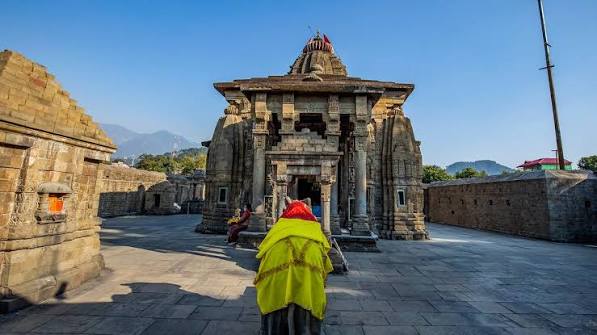
Baijnath Tourist Places
Baijnath is a historic town in Kangra district of Himachal Pradesh, known for its ancient temples, peaceful surroundings and scenic landscapes of the Kangra Valley. The town is particularly famous for Baijnath Temple, an important Shiva temple with a long history and distinctive stone architecture. For travellers exploring Kangra, Baijnath can be combined with nearby destinations such as Palampur, Bir Billing and Tashi Jong Monastery. Whether you are interested in religious places, history, nature or exploring the quieter side of Himachal Pradesh, Baijnath offers several places to explore. This Baijnath travel guide covers the best places to visit in Baijnath, things to do, nearby attractions, the best time to visit and how to reach Baijnath. Baijnath is located in the Kangra Valley of Himachal Pradesh and is best known for its historic Shiva temple. The town has a peaceful atmosphere and is surrounded by the landscapes of the Dhauladhar region. The cultural and religious importance of Baijnath makes it a popular stop for travellers exploring the Kangra Valley. Its location also makes it convenient to include Baijnath in a wider Himachal itinerary covering destinations around Palampur and Bir. Baijnath is especially suitable for travellers interested in: Ancient temples and heritage Religious tourism Himalayan landscapes Quiet town experiences Photography Exploring Kangra Valley Nearby destinations such as Bir and Palampur Best Places to Visit in Baijnath Baijnath and its surrounding areas have several places that can be included in a sightseeing itinerary. 1. Baijnath Temple Baijnath Temple is the most important attraction in the town and one of the major reasons travellers visit Baijnath. Dedicated to Lord Shiva, the temple is known for its historic significance and traditional stone architecture. The temple complex provides an opportunity to experience the religious and architectural heritage of the Kangra region. Visitors interested in the history, architecture, timings and travel information of the temple can explore our detailed Baijnath Temple guide. Internal link anchor:[Baijnath Temple] 2. Mahakal Temple Mahakal Temple is another important religious attraction associated with the Baijnath area. Dedicated to Lord Shiva, the temple has religious significance and attracts devotees and visitors exploring the region. Its peaceful surroundings make it a worthwhile addition to a Baijnath sightseeing itinerary, especially for travellers interested in the temples and spiritual heritage of Kangra. For detailed information about the temple, including visitor information and how to reach it, visit our Mahakal Temple Baijnath guide. Internal link anchor:[Mahakal Temple in Baijnath] 3. Binwa River and Surrounding Landscapes The natural surroundings around Baijnath provide opportunities to enjoy the quieter side of Kangra Valley. The Binwa River and nearby landscapes add to the scenic character of the region. Travellers can enjoy the surrounding mountain views, take photographs and experience the peaceful environment away from busy tourist centres. If you enjoy nature and photography, the areas around Baijnath can be included in a relaxed Kangra itinerary. Things to Do in Baijnath A visit to Baijnath does not have to be limited to sightseeing. You can combine cultural experiences with nature and nearby destinations. Visit Historic Temples Explore Baijnath Temple and other religious sites to experience the spiritual and architectural heritage of the region. Explore Kangra Valley Use Baijnath as a base or stop while exploring other destinations in Kangra Valley, including Palampur and Bir. Enjoy Mountain Landscapes The surrounding Himalayan landscape provides opportunities for photography and peaceful walks. Explore Nearby Destinations Baijnath's location makes it possible to combine a visit with nearby attractions such as Bir Billing, Palampur and Tashi Jong Monastery. Experience Local Culture Take time to explore the town and surrounding villages to experience the quieter side of Himachal Pradesh beyond the major tourist centres. Best Time to Visit Baijnath The best time to visit Baijnath depends on the type of experience you are looking for. Spring and early summer generally offer comfortable conditions for sightseeing and exploring the surrounding Kangra Valley. Monsoon brings greenery to the region, but travellers should keep changing weather and road conditions in mind while planning outdoor travel. Autumn is another suitable period for exploring the area, with generally pleasant conditions and good opportunities for sightseeing. Winter can be colder, particularly in the surrounding higher areas. Travellers should check current weather and road conditions before travelling. If your main purpose is visiting temples, check the latest temple timings and local arrangements before your journey. How to Reach Baijnath By Road Baijnath is connected by road with other towns and destinations in Kangra district. Travellers can reach the town by bus, taxi or private vehicle from nearby destinations. Road travel is also convenient for travellers planning an itinerary covering Baijnath, Palampur and Bir. By Train Baijnath Paprola is connected to the narrow-gauge railway network in the Kangra Valley. Travellers using the railway should check the latest train schedules before planning their journey. By Air The nearest airport option for travellers is Kangra Airport, also known as Gaggal Airport. From the airport, travellers can continue towards Baijnath by road. Because transport schedules and road conditions can change, check current availability before travelling. Places to Visit Near Baijnath Baijnath can easily be included in a wider Kangra Valley itinerary. Some nearby destinations worth considering include: Palampur Palampur is known for its tea gardens, mountain scenery and pleasant surroundings. It is a popular destination in Kangra Valley and can be combined with a Baijnath trip. Bir Billing Bir Billing is internationally known for paragliding and is also popular for its Tibetan culture, monasteries and mountain surroundings. Travellers visiting Baijnath can consider adding Bir Billing to their Kangra itinerary. Tashi Jong Monastery Tashi Jong Monastery is a Tibetan Buddhist centre in the Kangra region. Its peaceful environment and distinctive Tibetan architecture make it an interesting cultural attraction near Baijnath. Baijnath Travel Tips Keep the following points in mind when planning a trip to Baijnath: Check temple opening hours before visiting. Dress respectfully when visiting religious places. Carry comfortable footwear for sightseeing. Check the weather before travelling, especially during monsoon and winter. Keep some cash available for smaller local purchases. Avoid littering around temples, rivers and natural areas. Respect local customs and photography restrictions. If you are visiting multiple Kangra destinations, plan your route in advance. Check current road and transport conditions before starting your journey. Baijnath Travel Itinerary If you have limited time, you can plan a simple Baijnath itinerary around the town's major attractions. One-Day Baijnath Plan Morning Start with Baijnath Temple and spend time exploring the temple and its surroundings. Late Morning Visit Mahakal Temple and other nearby religious attractions. Afternoon Explore the surrounding landscapes and enjoy a relaxed lunch in the area. Evening Depending on your route, continue towards another Kangra destination such as Palampur or return to your accommodation. Baijnath + Bir + Palampur For a longer Kangra Valley trip, Baijnath can be combined with: Baijnath → Palampur → Bir Billing The exact order can be changed according to your starting point, accommodation and transport. Why Visit Baijnath? Baijnath offers a different experience from Himachal Pradesh's larger tourist destinations. Its appeal comes from the combination of religious heritage, historic temples, mountain landscapes and proximity to other attractions in Kangra Valley. For travellers interested in temples and heritage, Baijnath Temple is the major highlight. For nature lovers, the surrounding valley provides scenic landscapes, while its location makes it easy to explore nearby destinations.
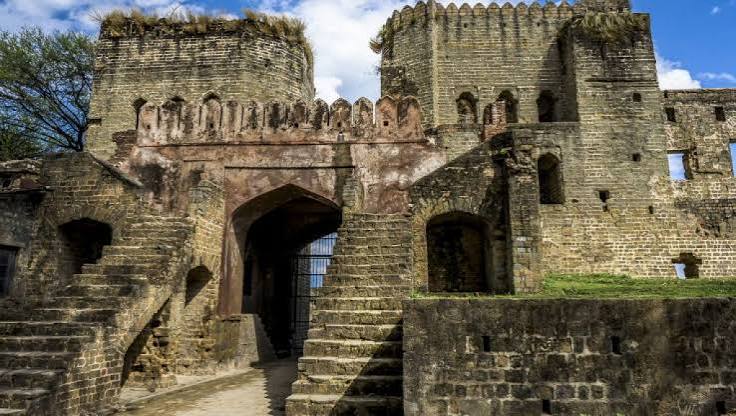
Nurpur Tourist Places
Nurpur, Himachal Pradesh Nurpur is a historic town in Kangra district that offers a mix of heritage, temples, local culture and natural landscapes. Unlike the better-known hill destinations of Himachal Pradesh, Nurpur is particularly useful for travellers who want to explore the lower Kangra region and combine several nearby attractions in one trip. The town is best known for Nurpur Fort, while the surrounding area connects easily with places such as Nagni Mata Temple, Jawali, Bathu Ki Ladi and the Pong Dam region. The nearby reservoir landscape also adds opportunities for birdwatching and scenic exploration. For travellers planning a short Kangra itinerary, Nurpur can work as a heritage stop as well as a base for exploring attractions towards Jawali and Pong Dam. Best Places to Visit in Nurpur Nurpur Fort Nurpur Fort is the most prominent heritage attraction in the town. The historic fort was formerly known as Dhameri Fort and is associated with the old Nurpur State. The fort complex contains remnants of palace architecture, decorative arches, stone work and faded paintings. The official Himachal Tourism description also highlights engraved figures and animal motifs on parts of the fort walls. One of the most distinctive features inside the fort complex is the Brij Raj Swami Temple, which adds religious and cultural significance to the heritage site. The fort is particularly worth visiting if you are interested in history, architecture and Kangra's royal heritage. Brij Raj Swami Temple Located within the Nurpur Fort complex, Brij Raj Swami Temple is closely connected with the history of the former Nurpur State. The temple is dedicated to Lord Krishna and is traditionally associated with the worship of Krishna and Meera Bai. Its setting inside the historic fort makes it different from standalone temples in the region. Visitors can combine the temple with the fort rather than treating them as two separate sightseeing stops. Nagni Mata Temple Nagni Mata Temple is located around 6 km from Nurpur on the Pathankot–Kullu highway. It is one of the well-known religious attractions around the town. The temple has a distinctive local tradition associated with water emerging beneath the shrine. Stories and beliefs connected with Nagni Mata are an important part of the area's religious culture. Visitors should treat traditional healing claims associated with the shrine as local religious belief, rather than as a substitute for medical treatment. Jawali and Nearby Attractions Jawali is an important nearby town and is useful when planning a wider sightseeing circuit around Nurpur. The Jawali area provides access to the Pong reservoir landscape and some of the region's unusual heritage attractions. Bathu Ki Ladi Bathu Ki Ladi is one of the most unusual attractions near Jawali. It is a group of ancient temples located near the Pong reservoir, close to Dhameta. The temple group is particularly famous because the structures remain submerged for much of the year as the reservoir's water level changes. They generally become visible during the lower-water period, roughly from March to June, with visibility often better around May and June. The complex consists of several temple structures, with the main temple associated with Shiva and Parvati. Local legends connect the site with the Pandavas, although these stories should be understood as legends rather than established historical facts. If Bathu Ki Ladi is part of your itinerary, check the current water conditions before travelling because accessibility changes during the year. Jawali Jawali is useful as a connecting point for exploring attractions around the Pong reservoir. The surrounding landscape combines villages, agricultural areas, temples and reservoir views. A trip covering Nurpur and Jawali can therefore include both historical sightseeing and outdoor scenery without requiring a long journey into the higher mountain regions. Pong Dam and Pong Dam Lake The Pong Dam, also known as the Maharana Pratap Sagar, is one of the major natural and scenic attractions accessible from the wider Nurpur–Jawali region. The reservoir was created on the Beas River and is recognised for its wetland and wildlife importance. The area includes different visitor points rather than functioning as a single sightseeing spot. Birdwatching Around Pong Dam Pong Dam Lake is especially relevant for birdwatchers. The official Kangra district tourism information records more than 420 bird species across 56 families in the wider wetland area. Nagrota Surian is associated with the Pong Dam Lake Bird Sanctuary and wildlife viewing. The best experience depends on the season, water conditions and the specific part of the reservoir you visit. Nagrota Surian Nagrota Surian is another useful stop when exploring the Pong reservoir landscape. It is associated with the bird sanctuary and provides opportunities to experience the wetland environment. It can be combined with other attractions around the reservoir, especially if your trip is focused on nature and birdwatching rather than only historical sightseeing. Other Places to Explore Near Nurpur Nurpur can also be used as a starting point for a wider Kangra sightseeing route. Masroor Rock Cut Temples The Masroor Rock Cut Temples are a major heritage attraction in the wider Kangra region. The complex is known for its monolithic rock-cut architecture and is generally dated to around the 8th century. It is a good addition for travellers interested in ancient architecture and historical sites. Kangra Fort Kangra Fort is another major heritage destination that can be included in a broader Kangra circuit. The fort stands near Kangra town and is one of the region's best-known historical landmarks. Because it is farther from central Nurpur than the local attractions, it is better treated as part of a multi-stop Kangra itinerary. Temples and Religious Places Around Nurpur Religious tourism forms an important part of the wider Nurpur region. Apart from Brij Raj Swami Temple and Nagni Mata Temple, travellers can explore temples around Jawali and the Pong reservoir belt. The main advantage is that religious places can easily be combined with heritage and nature-based sightseeing, allowing visitors to experience different aspects of the Kangra region within the same trip. Historical and Cultural Experience Nurpur's identity is strongly connected with its historic fort and the former Nurpur State. The fort's architecture, remaining palace structures and temple complex provide an insight into the area's royal past. The town is also part of the wider Kangra cultural landscape, where temples, traditional settlements, local crafts and historic sites form an important part of the travel experience. For visitors interested in history, it is worth spending time at the fort rather than treating it as a quick photo stop. Things to Do in Nurpur A trip to the area can include several different experiences: Explore the historic Nurpur Fort. Visit Brij Raj Swami Temple inside the fort complex. Visit Nagni Mata Temple and experience the local religious traditions. Explore Jawali and nearby villages. Visit Bathu Ki Ladi when the temples are visible. Explore the Pong reservoir landscape. Try birdwatching around the Pong wetland region. Include Kangra Fort or Masroor Rock Cut Temples in a longer itinerary. Enjoy local food and explore the town's markets. How to Reach Nurpur By Road Nurpur is well connected by road with other parts of Kangra and neighbouring areas. Road travel is convenient for visitors who want to cover multiple attractions because several important places lie outside the town itself. For a sightseeing trip, having a private vehicle or taxi can make it easier to combine Nurpur, Jawali, Bathu Ki Ladi and the Pong Dam region. By Train The wider Kangra region is connected by the Pathankot–Jogindernagar narrow-gauge railway. Nurpur and nearby areas can be accessed through the regional railway network, while Pathankot provides an important rail connection for longer-distance travellers. By Air The nearest major airport for travellers visiting the Kangra region is Kangra Airport at Gaggal. Pathankot Airport can also be considered depending on the traveller's route and flight availability. Best Time to Visit Nurpur Nurpur can be visited during different seasons, but the ideal period depends on what you want to experience. For comfortable sightseeing, the cooler months are generally more pleasant for exploring outdoor heritage sites and travelling around the region. If Bathu Ki Ladi is a major reason for your trip, plan around the period when the reservoir water recedes and the temple structures become visible. The official district information places the main visibility period roughly between March and June, often with better visibility in May and June. For birdwatching around Pong Dam, seasonal conditions are also important, so checking local conditions before travelling is recommended. One-Day Nurpur Itinerary If you have only one day, start with Nurpur Fort and Brij Raj Swami Temple in the morning. After exploring the heritage complex, visit Nagni Mata Temple and then continue towards Jawali or another nearby attraction depending on available time. If Bathu Ki Ladi is accessible during your travel period, it can become the main afternoon stop, subject to water and road conditions. Two-Day Nurpur Itinerary Day 1 Nurpur Fort Brij Raj Swami Temple Nagni Mata Temple Local market and town exploration Day 2 Jawali Bathu Ki Ladi Pong Dam / Pong Dam Lake Nagrota Surian or another nearby reservoir attraction This two-day plan gives a better balance between heritage, religious places and nature. Travel Tips for Nurpur Check the weather before starting your journey. Confirm the current accessibility of Bathu Ki Ladi before travelling. Carry comfortable footwear for heritage sites and uneven surfaces. Keep drinking water with you during sightseeing. Respect temple customs and local traditions. Avoid littering around the reservoir and heritage sites. Do not rely on unverified local claims for medical treatment. If visiting the wetland area for birdwatching, carry binoculars if available. Start early if you want to cover several attractions in one day. Is Nurpur Worth Visiting? Nurpur is particularly suitable for travellers who prefer a combination of history, temples, local culture and nature rather than a conventional hill-station holiday. The fort gives the town its strongest historical identity, while nearby Nagni Mata Temple, Jawali, Bathu Ki Ladi and the Pong reservoir expand the sightseeing options. The wider Kangra region also makes it possible to add major attractions such as Kangra Fort and Masroor Rock Cut Temples to a longer trip. For travellers exploring Kangra by road, Nurpur can therefore be included as part of a broader heritage and nature circuit.
FAQs
Common questions about Kangra