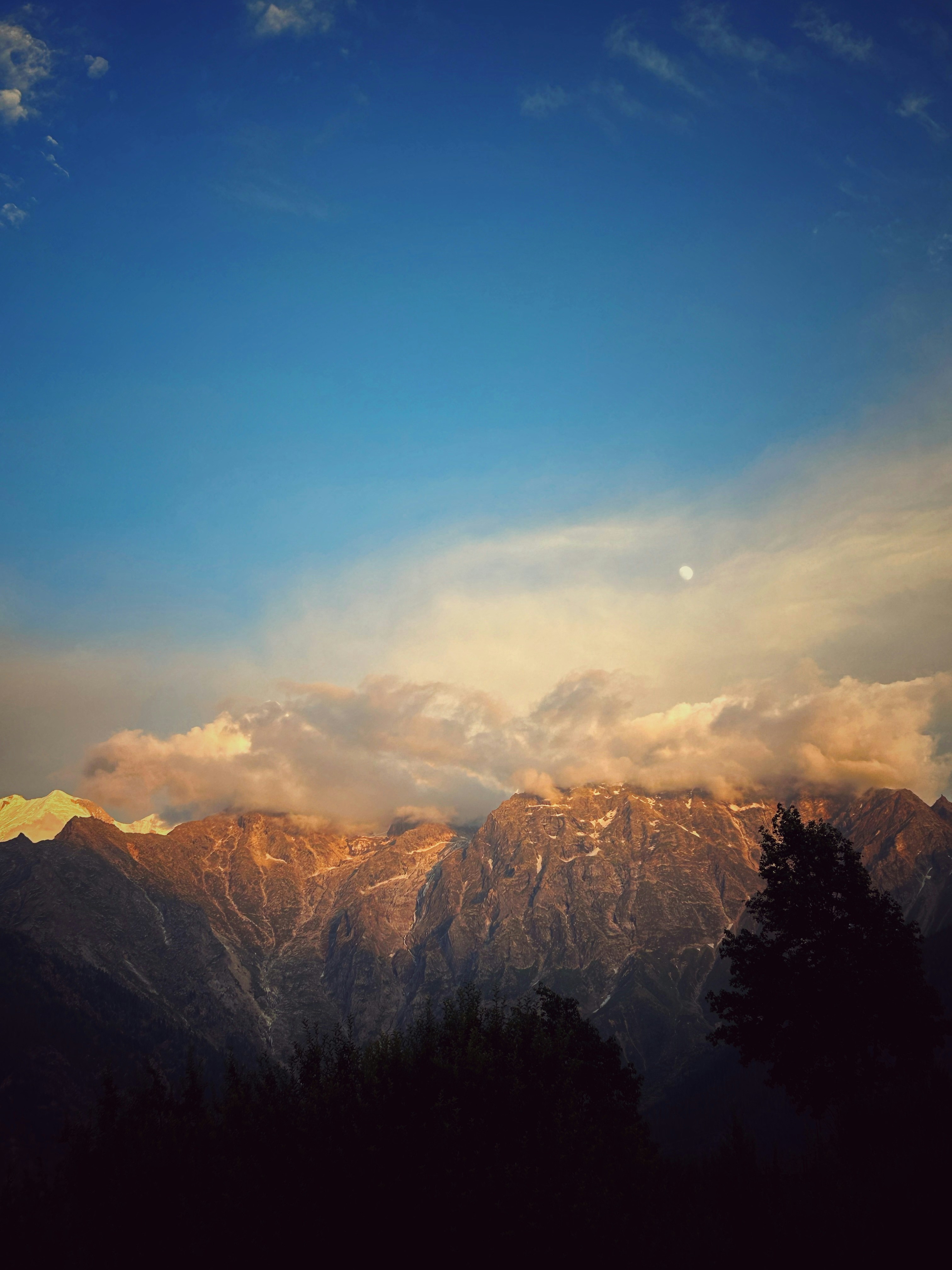
Explore Kinnaur
The Heart of Kinnaur
Kinnaur is one of the most distinctive mountain districts of Himachal Pradesh, known for high Himalayan landscapes, apple orchards, traditional villages, ancient temples, Buddhist monasteries and spectacular views of Kinnaur Kailash. Popular destinations include Kalpa, Sangla, Chitkul, Reckong Peo and Nako, while places such as Bhaba Valley, Kothi and Nichar offer quieter experiences.
For travellers planning a trip, Kinnaur tourist places offer a mix of scenic road journeys, mountain villages, religious heritage and outdoor experiences. The landscape changes considerably as you travel from the greener Baspa and Sutlej valleys towards the higher and more rugged areas of upper Kinnaur.
Why Visit Kinnaur?
Kinnaur is different from a conventional hill-station destination. The district is spread across valleys and mountain settlements, so the journey itself becomes an important part of the travel experience.
The region is known for its apple orchards, traditional Kinnauri architecture, Hindu temples, Buddhist monasteries and views of the Kinnaur Kailash range. Kalpa offers a combination of heritage and mountain views, Sangla provides access to the Baspa Valley, while Chitkul gives travellers a chance to experience a remote high-altitude village setting.
Top Kinnaur Tourist Places
Kalpa
Kalpa is one of the most popular destinations in Kinnaur. Situated at around 2,759 metres, it is known for its heritage village character, apple orchards, temples, Buddhist monasteries and views towards Kinnaur Kailash. The Narayan-Nagani Temple is an important example of local craftsmanship.
Kalpa is also a useful base for exploring nearby villages and viewpoints around Reckong Peo.
Sangla Valley
Sangla lies along the Baspa River at an elevation of about 2,621 metres. Surrounded by forests, mountain slopes and snow-covered peaks, it is one of the major destinations in Kinnaur. The valley's landscape, orchards and traditional settlements make it an important stop on a Kinnaur road trip.
Chitkul
Chitkul is the highest village in the Baspa Valley, at around 3,450 metres. The village is known for its traditional setting, Baspa River, mountain scenery and local temples. It is generally visited as part of a Sangla Valley itinerary.
Reckong Peo
Reckong Peo is the district headquarters of Kinnaur and offers panoramic views towards Kinnaur Kailash. The town has hotels, rest houses, markets and Buddhist religious sites and serves as an important base for exploring different parts of the district.
Nako
Nako is a high-altitude village in upper Kinnaur, situated at about 3,663 metres. Nako Lake, the local monastery and the surrounding high-mountain landscape are its major attractions.
Because of its elevation and remote location, Nako requires more careful planning than lower-altitude destinations.
Kothi
Kothi is an old village in the Kalpa area, located close to Reckong Peo. Its traditional architecture, temple heritage and mountain setting make it a worthwhile addition to a Kinnaur itinerary.
Bhaba Valley
Bhaba Valley is a scenic destination known for its mountain landscape and adventure opportunities. It is among the tourist destinations officially listed by the Kinnaur district administration.
Nichar
Nichar is a greener part of Kinnaur, surrounded by deodar and pine forests. The district administration describes the Nichar Valley as an evergreen mountain valley with rich flora and fauna.
Places to Visit in Kinnaur for Different Experiences
Kinnaur has destinations suited to different types of travellers.
For mountain views: Kalpa and Reckong Peo provide notable views towards the Kinnaur Kailash range.
For valley scenery: Sangla and the Baspa Valley offer forests, orchards, river landscapes and mountain villages.
For a high-altitude village experience: Chitkul and Nako have very different landscapes and cultural settings.
For quieter travel: Kothi, Nichar and Bhaba Valley can be considered alongside the better-known destinations.
Kinnaur Temperature and Weather
Temperature in Kinnaur
The temperature in Kinnaur varies considerably because the district covers different elevations and geographical zones. There is no single temperature that represents the entire district throughout the year.
Lower and middle-altitude destinations such as Reckong Peo, Kalpa and Sangla generally experience milder conditions than high-altitude places such as Chitkul and Nako. The higher you travel, the colder conditions can become, particularly during winter.
For trip planning, it is therefore more useful to check the weather for your specific destination rather than relying only on a general Kinnaur temperature.
Kinnaur Temperature in Summer
Summer is generally more suitable for exploring many of the popular Kinnaur destinations. During this period, travellers can plan road trips through Kalpa, Sangla and Chitkul, although temperatures can still fall significantly after sunset, especially at higher elevations.
If your itinerary includes Nako or other high-altitude areas, carry warm layers even when travelling during the warmer months.
Kinnaur Temperature in Winter
Winter brings much colder conditions to Kinnaur, with snowfall possible in higher areas. Destinations at greater elevations can become significantly colder and road conditions may change because of snow and ice.
Travellers planning a winter trip should check the latest road and weather conditions before departure rather than relying on historical seasonal patterns.
Best Time to Visit Kinnaur
The best time depends on the places included in your itinerary.
For a general Kinnaur road trip covering destinations such as Kalpa, Sangla and Chitkul, travellers usually prefer periods with more manageable road and weather conditions. Higher destinations require additional planning because temperature, snowfall and road accessibility can vary.
If your main interest is comfortable sightseeing and mountain travel, check the forecast for each major stop before finalising your itinerary.
Things to Do in Kinnaur
Explore Kinnaur Valley
A road journey through Kinnaur allows you to experience changing landscapes, river valleys, orchards, mountain villages and high-altitude terrain.
Visit Temples and Monasteries
Kinnaur has a distinctive mix of Hindu and Buddhist religious traditions. Kalpa, Chitkul, Kamru, Nako and other villages have important local temples and monasteries.
Experience Kinnauri Villages
Traditional villages provide an opportunity to see local architecture, orchards and mountain life beyond the main tourist centres.
Trek and Explore Mountain Trails
Kinnaur offers several trekking and adventure opportunities. The district administration lists adventure activities and trekking routes including the Bhaba Valley–Pin Valley route.
Enjoy Mountain and Valley Views
Kalpa, Sangla, Chitkul and Reckong Peo are particularly suited to travellers looking for Himalayan landscapes and photography opportunities.
Kinnaur Kailash
Kinnaur Kailash is one of the most important landmarks associated with the district. The mountain range is visible from several parts of Kinnaur, including Kalpa and Reckong Peo, and has strong religious significance.
Kalpa's location near the Kinnaur Kailash range is one of the reasons the village has become an important destination for travellers visiting the district.
Kinnaur Temples and Monasteries
Religious heritage is an important part of Kinnaur's cultural landscape.
Notable sites and traditions can be found around:
-
Kalpa
-
Kamru
-
Chitkul
-
Kothi
-
Nako
-
Reckong Peo
The district's official tourism information highlights both Hindu temples and Buddhist monasteries across these settlements.
How to Reach Kinnaur
By Road
Road travel is the main way to explore Kinnaur. The route from Shimla towards Reckong Peo provides access to different parts of the district, with roads branching towards destinations such as Kalpa, Sangla and other valleys.
Because mountain journey times can be affected by road conditions and weather, it is better to plan the route by destination rather than relying only on map distance.
By Air
Travellers can use Shimla Airport for the onward road journey to Kinnaur. The district administration provides destination-specific distance and connectivity information for places such as Nako and Kalpa.
By Train
Kinnaur does not have a railway station. Travellers generally combine train travel to a suitable railhead with onward road transport.
Kinnaur Travel Guide
A first Kinnaur trip is easier to plan by dividing the district into travel clusters.
A Kalpa–Reckong Peo itinerary works well for mountain views, temples and local culture. Sangla–Chitkul focuses on the Baspa Valley and traditional mountain villages. Travellers continuing towards upper Kinnaur can include Nako depending on road conditions and the wider itinerary.
Avoid trying to cover every destination in a short trip. Kinnaur is a large mountain district, and road travel can take considerably longer than the distance on a map suggests.
Travel Tips for Kinnaur
-
Check the latest weather and road conditions before travelling.
-
Carry warm layers because temperatures can change quickly with altitude.
-
Allow extra travel time on mountain routes.
-
Respect local customs at temples and monasteries.
-
Avoid littering and help protect the fragile Himalayan environment.
-
Book accommodation ahead during busy travel periods.
-
Check current local requirements before travelling towards sensitive border areas.
-
For high-altitude destinations, plan your itinerary gradually rather than rushing between locations.
Quick Facts About Kinnaur
-
State: Himachal Pradesh
-
District headquarters: Reckong Peo
-
Major tourist places: Kalpa, Sangla, Chitkul, Reckong Peo and Nako
-
Major valley: Baspa Valley
-
Major landmark: Kinnaur Kailash
-
Known for: Apple orchards, Himalayan landscapes, temples, monasteries and traditional villages
-
Popular high-altitude destinations: Chitkul and Nako
FAQs
Common questions about Kinnaur