
Bathu Ki Ladi Temple
About Bathu Ki Ladi Temple
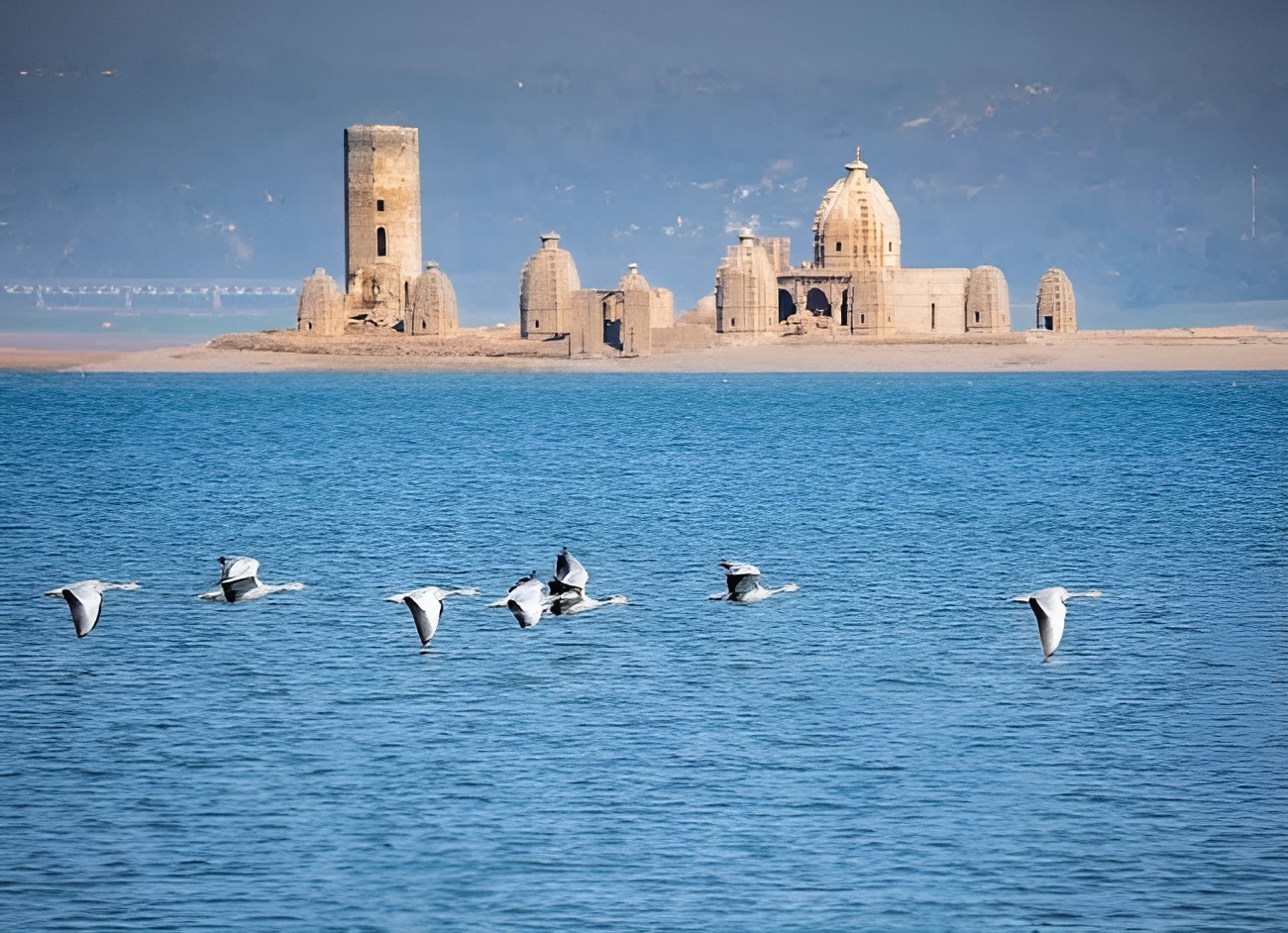
Bathu Ki Ladi Temple is a unique group of ancient Hindu temples located near Jawali in Kangra district, Himachal Pradesh, on the banks of Maharana Pratap Sagar, also known as Pong Dam Lake. Famous for remaining submerged underwater for much of the year, these historic stone temples become visible when the reservoir's water level recedes, generally between March and June. The temple complex is associated with Lord Shiva and Goddess Parvati and features traditional Nagara-style architecture. According to local folklore, the temples were built by the Pandavas during their exile. Bathu Ki Ladi Temple is a fascinating destination for travellers interested in ancient temples, local legends, photography and the cultural heritage of Kangra Valley.
Details & Guide
Bathu Ki Ladi Temple, Kangra: History, Location, Best Time to Visit and Travel Guide
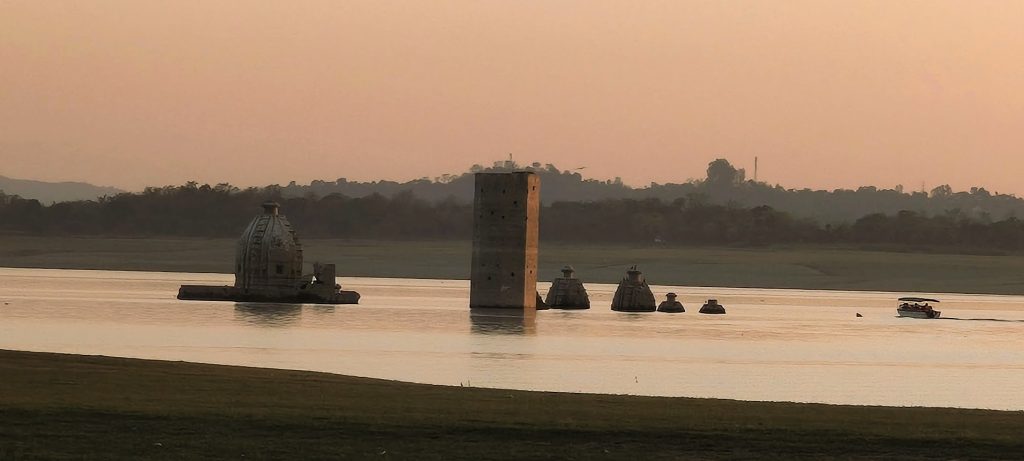
Bathu Ki Ladi Temple is one of the most unusual historical attractions in Himachal Pradesh. Located near Jawali in Kangra district, this ancient temple complex is known for its remarkable seasonal appearance beneath the waters of Maharana Pratap Sagar, popularly known as Pong Dam Lake. For several months every year, the temples remain submerged, and as the water level falls, their stone structures gradually emerge from the reservoir.
Unlike most temples that can be visited throughout the year, Bathu Ki Ladi offers a seasonal experience. During the months when the water recedes, visitors can see its ancient architecture, explore the visible temple structures where access is safe, and learn about the legends associated with the site. Its unusual location, religious significance and connection with the landscape of Pong Dam make it a distinctive destination for history enthusiasts, photographers and travellers exploring Kangra.
History of Bathu Ki Ladi Temple
The exact construction date and original builders of Bathu Ki Ladi Temple have not been conclusively established. The complex is believed to be centuries old, but its precise historical origins remain uncertain.
According to local folklore, the temples were built by the Pandavas during their exile from the Mahabharata. One popular legend says that they attempted to construct a staircase to heaven during their time in the region. This story forms an important part of the temple's local identity, although it should be understood as a traditional belief rather than a verified historical account.
The complex is also associated with traditional Hindu worship, particularly Lord Shiva and Goddess Parvati. Its stone construction and architectural features reflect the region's historic temple-building traditions.
A major change came with the construction of Pong Dam on the Beas River during the 1970s. The resulting reservoir, Maharana Pratap Sagar, covered the surrounding landscape, leaving the Bathu temples submerged for much of the year. Since then, their visibility has depended largely on seasonal changes in the reservoir's water level.
Today, Bathu Ki Ladi is valued for its religious associations, architectural interest and unusual relationship with the lake.
Why Is Bathu Ki Ladi Temple Underwater?
One of the main reasons travellers visit Bathu Ki Ladi Temple is its unusual underwater location.
The temples existed before Pong Dam and the creation of its reservoir. When the dam was constructed and the reservoir filled, the surrounding low-lying landscape was submerged, including the temple complex.
During periods of higher water levels, much or all of the temple complex remains underwater. As the water level decreases, the temple structures gradually become visible. Depending on the conditions, visitors may see the upper portions of the temples first, followed by more of the stone structures and the surrounding ground.
This seasonal change makes Bathu Ki Ladi different from most historical temples in Himachal Pradesh. However, the temples do not emerge on a guaranteed date every year. Their visibility depends on reservoir levels, rainfall, water management and local conditions.
Travellers should check recent updates and local access arrangements before planning a visit.
Architecture of Bathu Ki Ladi Temple
Bathu Ki Ladi is a cluster of approximately six to eight ancient temple structures, with the exact number of distinguishable structures depending on how the complex is counted. The temples are known for their traditional Nagara-style architectural features and stone construction.
The structures are arranged in a connected line, which is commonly associated with the name Bathu Ki Ladi. The word "Ladi" refers to a chain or series, describing the arrangement of the temples.
The complex includes a principal shrine associated with Lord Shiva and Goddess Parvati, along with other temple structures. Their stone walls, shrine forms and surviving architectural details offer a glimpse into the region's religious architecture.
Because the complex spends much of the year underwater, the visible condition of individual structures can vary. Visitors should avoid climbing on the temples or touching fragile architectural features.
Religious and Cultural Significance
Bathu Ki Ladi Temple holds religious and cultural importance for local communities and visitors interested in Hindu heritage. The association with Lord Shiva and Goddess Parvati makes the site a place of spiritual interest, while the Pandavas legend connects it with the wider tradition of Mahabharata-related folklore in northern India.
The temples also represent an unusual example of historic religious architecture within a modern reservoir landscape. Their seasonal visibility has made them a distinctive attraction in Kangra district.
For visitors, the experience combines history, mythology, architecture and the changing natural environment of Pong Dam Lake.
Location of Bathu Ki Ladi Temple
Bathu Ki Ladi Temple is located near Jawali in Kangra district, Himachal Pradesh, close to Maharana Pratap Sagar, also known as Pong Dam Lake.
The surrounding area includes rural settlements, reservoir viewpoints and landscapes associated with the lower Himalayan foothills. The precise access point used to reach the temple may vary according to water levels and local road conditions.
Location: Bathu Ki Ladi Temple, near Jawali, Kangra district, Himachal Pradesh, India.
For navigation, search for "Bathu Ki Ladi Temple, Kangra" on a current map and confirm the final approach locally. Do not assume that a route suitable during the dry season will remain accessible when the reservoir water rises.
Best Time to Visit Bathu Ki Ladi Temple
The best time to visit Bathu Ki Ladi Temple depends on whether the temple structures are visible and safely accessible.
March to June
This is generally the main period for visiting the temple complex because reservoir levels often recede during these months. Visibility may improve as summer progresses, with May and June frequently considered favourable months.
However, the exact timing varies from year to year. A visit in March does not guarantee that the complete complex will be exposed, and the structures may remain partly submerged in some years.
July to September
The monsoon brings rainfall to the region and may change reservoir levels and local access conditions. The temples may become difficult to access or remain submerged.
Travellers planning a monsoon visit should check the latest local information rather than relying on the usual seasonal pattern.
October to February
During this period, the water level may cover much or all of the temple complex, making close exploration difficult or impossible. The wider Pong Dam area can still interest visitors for its landscapes and winter birdlife, particularly around suitable birdwatching locations.
Travel tip: Confirm the current visibility of Bathu Ki Ladi Temple before travelling. The seasonal window is an estimate, not a fixed opening schedule.
Weather at Bathu Ki Ladi Temple
The weather around Bathu Ki Ladi generally follows the seasonal pattern of the Kangra region, with warm summers, monsoon rainfall and cooler winter conditions.
-
Spring: Temperatures generally become milder, making it a useful period to plan a sightseeing trip.
-
Summer: Days can be warm, particularly in May and June. Carry drinking water, sunscreen and a hat.
-
Monsoon: Rainfall can affect local roads, visibility and access to the reservoir.
-
Winter: Conditions are cooler, and the wider Pong Dam area may attract visitors interested in migratory birds.
These are general seasonal descriptions rather than verified daily temperature figures. Check the latest weather forecast before departure.
How to Reach Bathu Ki Ladi Temple
By Road
Travelling by road is one of the practical ways to reach Bathu Ki Ladi Temple. Jawali and nearby settlements provide useful reference points for reaching the area. Depending on your route, you may need to continue towards the local access point near the reservoir.
A private vehicle or taxi can be convenient, especially if you plan to visit other attractions around Pong Dam Lake. The final approach may vary according to water levels, road conditions and local access arrangements.
By Air
Kangra Airport at Gaggal serves the wider Kangra region. From the airport, travellers need onward road transport towards Jawali and the Bathu Ki Ladi area. Flight availability and driving time depend on your travel date and route.
Pathankot may also be considered as an alternative travel hub, depending on available transport connections.
By Train
Pathankot is an important broad-gauge railway connection for travellers visiting this part of Himachal Pradesh. The Kangra Valley narrow-gauge railway also serves parts of the wider region, but its usefulness depends on the chosen route and current services.
From the selected railway station, continue by road towards the temple area.
By Bus
Travellers can look for bus services towards Jawali or other nearby towns from their starting location. Local taxis or other onward transport may be required to reach the temple access point.
Public transport options and onward connections can vary, so check the latest schedules before travelling.
By Boat
Boat access may be possible from suitable points around Pong Dam Lake when local services are operating and conditions permit. Availability depends on water levels, weather, safety arrangements and local operators.
Do not assume that boat services are available every day or that a boat can reach the temples directly. Confirm the current arrangements before making plans.
Places to Visit Near Bathu Ki Ladi Temple
The Bathu Ki Ladi area can be combined with other attractions around Kangra district and Pong Dam Lake. The most suitable itinerary depends on your starting point and available time.
1. Pong Dam Lake (Maharana Pratap Sagar)
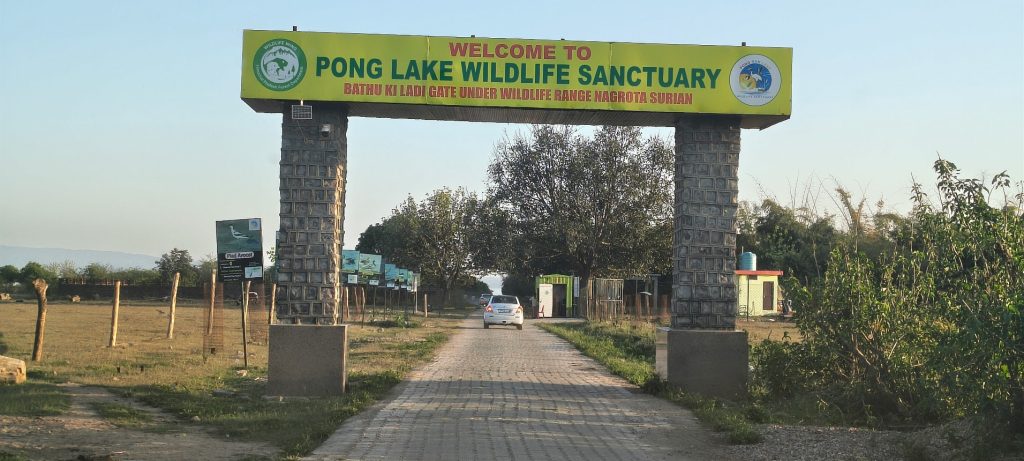
Pong Dam Lake is the reservoir associated with Bathu Ki Ladi Temple. Formed by the Pong Dam on the Beas River, it is known for its extensive water landscape, scenic surroundings and importance as a wetland habitat.
The area is particularly interesting for nature lovers, photographers and travellers who want to explore the quieter side of Kangra district.
2. Pong Dam Lake Bird Sanctuary
The wider Pong reservoir is an important destination for migratory birds, particularly during the winter season. Birdwatching opportunities depend on the location, season and local conditions.
If you plan to visit for birdwatching, carry binoculars and follow any applicable wildlife access rules.
3. Masroor Rock Cut Temples
The Masroor Rock Cut Temples are a historic temple complex in Kangra district, known for their rock-cut architecture and sculptural details. They can be considered as a separate heritage stop during a wider Kangra sightseeing trip.
Check the actual road distance and travel time before combining the two sites in one day.
4. Kangra Fort
Kangra Fort is one of the region's major historic attractions, associated with the Katoch dynasty. Its fortifications, historical significance and views make it a useful addition for visitors interested in the heritage of Kangra.
It is not immediately beside Bathu Ki Ladi, so allow time for the road journey.
5. Pragpur Heritage Village
Pragpur is known for its traditional architecture and heritage character. Travellers interested in historic settlements and regional culture may consider visiting it as part of a broader trip through Kangra district.
Confirm the route and available time before planning several attractions together.
How Much Time Do You Need at Bathu Ki Ladi Temple?
For a visit focused on the temple complex, allow around one to two hours once you reach the accessible site. This is a suggested planning estimate rather than an official visit duration.
You may need additional time if the final approach involves walking, local transport or a boat ride. If you are combining Bathu Ki Ladi with Pong Dam Lake viewpoints or other attractions, plan a longer day and check the driving distances in advance.
The amount of time you can spend exploring the temple structures also depends on how much of the complex is exposed and whether the ground is safe to walk on.
Travel Tips for Visitors
-
Check recent reports about temple visibility before starting your journey.
-
Confirm the exact access point and route with local residents or tourism authorities.
-
Wear comfortable walking shoes suitable for uneven ground.
-
Carry drinking water, sun protection and weather-appropriate clothing.
-
Avoid entering waterlogged areas or walking over unstable reservoir mud.
-
Never attempt to approach submerged structures by swimming.
-
Use only authorised boat services and follow local safety instructions.
-
Avoid climbing on old stone structures or damaging historic surfaces.
-
Carry cash if you expect to use local transport or small local services.
-
Check weather and road conditions, especially during the monsoon.
-
Keep the area clean and take all waste back with you.
Bathu Ki Ladi is a historic site in a changing reservoir environment, so responsible travel is important for both personal safety and the preservation of the temples.
Is Bathu Ki Ladi Temple Suitable for Families?
Bathu Ki Ladi Temple can be an interesting stop for families, history enthusiasts and visitors interested in local legends. Children may find the idea of ancient temples disappearing beneath a lake particularly fascinating.
However, families should pay attention to the ground conditions, water levels and access route. The exposed reservoir bed may be uneven or muddy, and the site may not be suitable for everyone during certain conditions.
Visitors travelling with older people or anyone with mobility difficulties should confirm the accessibility of the final approach before making the journey.
Why Visit Bathu Ki Ladi Temple?
Bathu Ki Ladi Temple offers a rare combination of history, religious heritage and a changing natural landscape. Its ancient stone structures, association with Lord Shiva and Goddess Parvati, and legends linked to the Pandavas make it an intriguing destination in Kangra district.
The experience is especially memorable when the reservoir water recedes and the temples become visible. Whether you are planning a heritage trip, exploring Pong Dam Lake or discovering lesser-known places in Himachal Pradesh, Bathu Ki Ladi is worth considering.
For the best experience, confirm the temple's visibility, check the weather and road conditions, and plan your visit around the current local access arrangements.
FAQs
Common questions about this place
Bathu Ki Ladi Temple is located near Jawali in Kangra district, Himachal Pradesh, close to Maharana Pratap Sagar, also known as Pong Dam Lake.
It is famous for being submerged beneath Pong Dam Lake for much of the year and becoming visible as the reservoir water level recedes. Its ancient stone architecture and local legends also make it a distinctive attraction.
March to June is generally considered the main visiting period, with May and June often favourable for visibility. The actual best time depends on the reservoir's water level in that particular year.
Yes. The temple complex is submerged for much of the year because of the reservoir formed by Pong Dam. Parts or all of the structures become visible when water levels fall.
The exact builders and construction date have not been conclusively established. Local folklore attributes the temples to the Pandavas, but this story is not verified historical evidence.
The principal temple is associated with Lord Shiva and Goddess Parvati. The complex is recognised as an ancient Hindu religious site.
You can travel by road towards Jawali and the nearby reservoir area. Depending on water levels and local arrangements, the final approach may require walking or other local transport. Confirm the current route before travelling.
You can explore the wider Pong Dam region during winter, but the temple complex may be largely or completely submerged. Check current visibility before planning a temple visit.
Need Local Help?
Let our experts help you plan the perfect trip to Bathu Ki Ladi Temple.