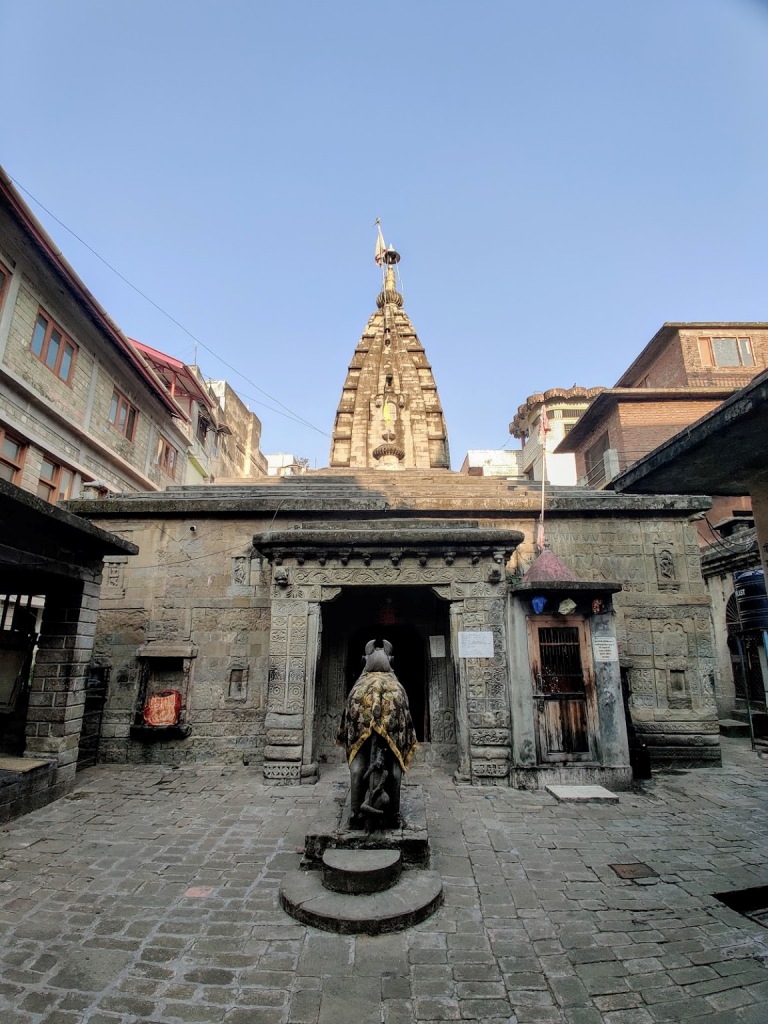
Bhootnath Temple Mandi
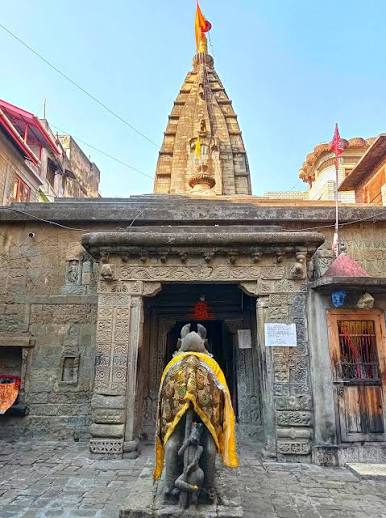
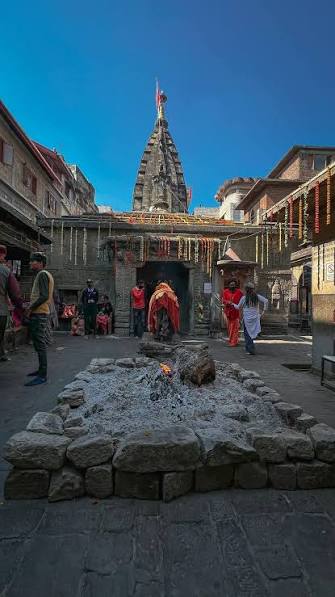
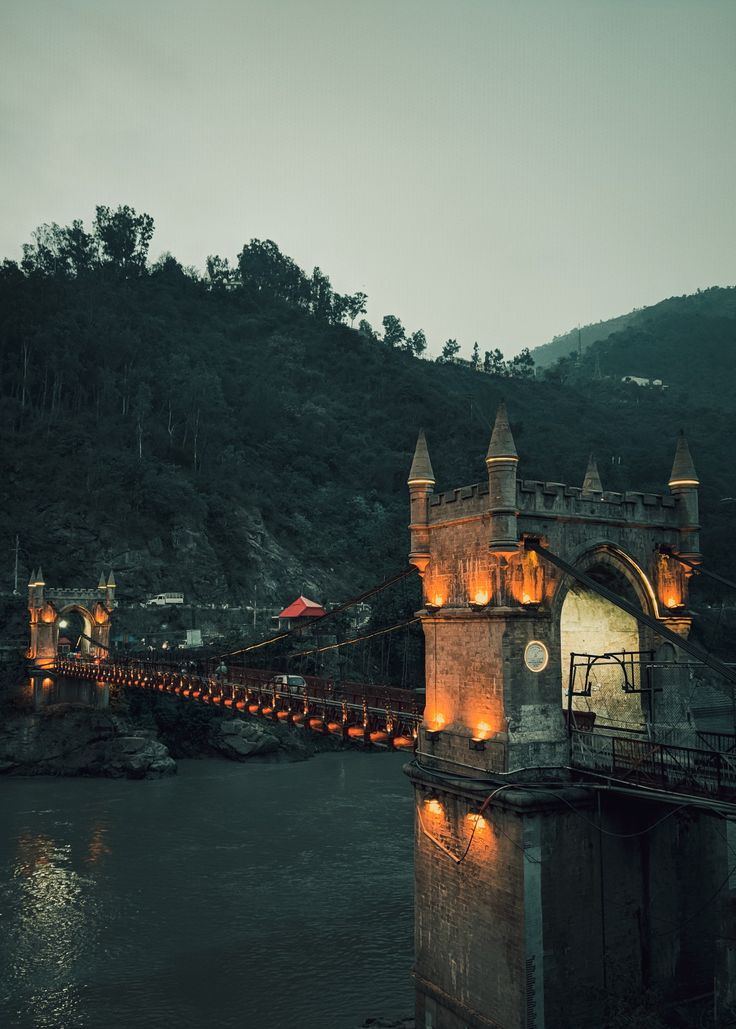
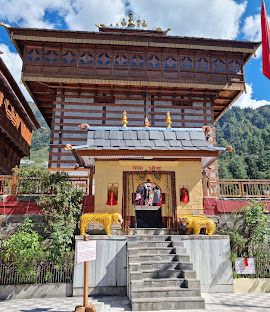
About Bhootnath Temple Mandi
Bhootnath Temple is one of the most recognised historic temples in Mandi, Himachal Pradesh. Dedicated to Lord Shiva, the temple stands in the old market area and holds an important place in the religious and cultural life of the city. Its history is closely connected with the development of Mandi, which is widely known as Chhoti Kashi because of its many traditional temples.
The temple is especially significant during the annual Mandi Shivratri Fair, when the city welcomes village deities from surrounding areas. For travellers exploring Mandi's heritage, Bhootnath Temple is an important stop for understanding the city's traditions, temple architecture and long-standing connection with Lord Shiva.
Details & Guide
Bhootnath Temple, Mandi, Himachal Pradesh
Bhootnath Temple is a historic Hindu temple situated in the heart of Mandi city. Dedicated to Lord Shiva, it is among the city's best-known religious landmarks and an important part of Mandi's cultural identity. The temple is located in the old bazaar area, making it convenient to include in a walking tour of the city's historic streets and nearby shrines.
Mandi is often called Chhoti Kashi because of its concentration of traditional temples, stone architecture and religious sites. Bhootnath Temple is one of the central landmarks associated with this identity. It is not just a place of worship but also a site connected with the history and annual religious celebrations of the town.
History of Bhootnath Temple
The history of Bhootnath Temple is traditionally linked with Raja Ajbar Sen, who is associated with the founding of present-day Mandi in the early sixteenth century. The temple is generally dated to around 1520–1527, although accounts differ on the precise year.
According to local tradition, a cow was seen releasing milk at a particular spot, leading to the discovery of a Shiva lingam. The story says that Raja Ajbar Sen subsequently established a temple at the site. This account is part of the temple's local religious tradition and should be understood as a legend rather than a fully documented historical record.
The temple's history is closely connected with the development of Mandi as a town. Over time, it became one of the most important Shiva shrines in the area and an enduring symbol of Mandi's religious heritage.
Why Is Bhootnath Temple Famous?
Bhootnath Temple is known for several reasons:
- Historic connection: Its origins are traditionally linked with the early development of Mandi city.
- Lord Shiva worship: The temple is dedicated to Lord Shiva and remains an important local place of worship.
- Mandi Shivratri Fair: The temple plays a central role in the city's annual Shivratri celebrations.
- Traditional architecture: Its stone structure and traditional temple design reflect the architectural heritage of old Mandi.
- Cultural importance: It represents the religious traditions that have earned Mandi the name Chhoti Kashi.
For visitors searching for famous temples in Mandi, Bhootnath Temple offers a combination of religious significance, history and local culture.
Bhootnath Temple Architecture
Bhootnath Temple is a traditional stone temple associated with the North Indian shikhara style. The structure features a rising temple tower and a shrine dedicated to Lord Shiva. A Nandi figure faces the deity, following the traditional arrangement found in many Shiva temples.
The temple's architectural character fits naturally into the historic surroundings of old Mandi. Visitors interested in heritage architecture can observe the structure, the entrance details and the way the shrine sits within the busy market area.
The temple is also a useful starting point for exploring other historic shrines in Mandi, many of which feature traditional stone construction and distinctive regional architectural details.
Bhootnath Temple and Mandi Shivratri Fair
The Mandi Shivratri Fair is one of the city's most important annual cultural and religious events. Celebrated around February or March according to the Hindu calendar, the festival brings village deities and their followers from different parts of the district to Mandi.
Bhootnath Temple has a central role in the festival's religious traditions. The arrival and ceremonial visits of deities are an important part of the celebrations, while the wider city hosts processions, cultural programmes, local markets and community gatherings.
During Shivratri, Mandi takes on a particularly lively atmosphere. Visitors can experience local customs, traditional music and the region's distinctive devta culture. However, the temple and nearby streets can become very crowded, so visitors should allow extra time and follow local arrangements.
If your main reason for visiting is the Shivratri Fair, check the year's confirmed dates and local traffic or access arrangements before travelling.
Best Time to Visit Bhootnath Temple
Bhootnath Temple can generally be included in a Mandi sightseeing trip throughout the year. The best time depends on whether you prefer a quieter visit or want to experience the city's major festival.
October to March
The cooler months are generally suitable for exploring Mandi's old market, temples and heritage areas on foot. February or March can be especially interesting for visitors who want to experience the Shivratri celebrations, although the exact festival dates vary each year.
April to June
These months can work well for a wider Himachal Pradesh trip that includes Mandi and other nearby destinations. Daytime temperatures may rise, so an early morning or late afternoon temple visit can be more comfortable.
July to September
The monsoon season can bring rain and slippery roads in the surrounding hills. Check weather and road conditions if you are travelling to Mandi from another part of Himachal Pradesh.
Bhootnath Temple Timings and Darshan
Visitors should confirm the current opening hours locally before planning a visit, as a reliably published, year-round official schedule may not be available. Daily worship arrangements and access can also differ during festivals or special religious occasions.
For a more comfortable visit:
- Prefer a quieter time outside major festival periods if you want to explore the temple calmly.
- Follow any instructions given by temple staff or local authorities.
- Ask before photographing worshippers or any restricted area.
- Dress respectfully and maintain the cleanliness of the temple premises.
During Mandi Shivratri, access and crowd movement may change because of festival arrangements.
How to Reach Bhootnath Temple
Bhootnath Temple is situated in central Mandi, in the old market area, so it can be included in a city sightseeing itinerary.
By Road
Mandi is connected by road with destinations including Chandigarh, Shimla, Kullu and Manali. Travellers can reach Mandi by bus, taxi or private vehicle, then continue to the central market area. Traffic and parking may be difficult around the old bazaar, particularly during busy periods.
By Bus
Regular bus services connect Mandi with several towns and cities in Himachal Pradesh and neighbouring states. From the Mandi bus stand, visitors can ask locally for the most convenient walking route or a short local transfer to Bhootnath Temple.
By Train
Mandi does not have its own broad-gauge railway station. Travellers using rail services should plan onward road transport from a suitable railway station, depending on their starting point and current transport connections.
By Air
Bhuntar Airport near Kullu is one of the airports used to access the Mandi region. Flight availability can be limited and subject to weather, so confirm current services before making travel plans. Road travel is required to reach Mandi from the airport.
Places to Visit Near Bhootnath Temple
Bhootnath Temple can be combined with other historic and cultural attractions in Mandi. The best order depends on walking conditions, opening arrangements and the time available.
Panchvaktra Mahadev Temple
Panchvaktra Mahadev Temple is an important Shiva shrine near the confluence of the Beas and Suketi rivers. It is known for its distinctive five-faced representation of Lord Shiva and traditional temple architecture. Visitors interested in Mandi's historic temples can include it in the same city itinerary.
Triloknath Temple
Triloknath Temple is another historic religious site in Mandi, associated with the worship of Lord Shiva and Goddess Parvati. Its traditional architecture and place in the city's temple heritage make it a worthwhile stop for visitors exploring Chhoti Kashi.
Raja Madhav Rai Temple
Raja Madhav Rai Temple is connected with Mandi's royal and religious traditions. It has a special place in the city's Shivratri celebrations, during which the ceremonial role of Madhav Rai is an important part of local custom.
Tarna Mata Temple
Located on Tarna Hill overlooking Mandi, Tarna Mata Temple is dedicated to Shyama Kali. The hilltop setting offers views over the town and surrounding landscape. Visitors should account for the uphill journey and check local access conditions.
Indira Market and Ghanta Ghar
Indira Market is one of Mandi's central shopping areas, while the historic clock tower, known as Ghanta Ghar, is a notable city landmark. These stops can be combined with a temple visit to experience the everyday life and historic character of Mandi.
One-Day Mandi Temple Tour
If you have one day to explore Mandi, Bhootnath Temple can be the starting point for a simple city itinerary.
Morning
- Visit Bhootnath Temple.
- Explore the old market area.
- Continue to nearby historic temples, subject to access and opening arrangements.
Afternoon
- Visit Panchvaktra Mahadev Temple and Triloknath Temple.
- Explore Indira Market and the surrounding heritage streets.
Later in the day
- If time and transport allow, visit Tarna Mata Temple for views over Mandi.
- Leave enough time for the return journey, especially during rain or busy festival periods.
This itinerary is a suggested sequence rather than a fixed tour. Check local conditions before travelling between stops.
Travel Tips for Visiting Bhootnath Temple
- Wear comfortable footwear if you plan to explore the old market and nearby temples on foot.
- Keep some cash available for small local purchases.
- Avoid blocking narrow lanes, entrances or places where worship is taking place.
- Ask permission before taking photographs inside the temple or of people praying.
- During Shivratri, expect heavier crowds, traffic restrictions and possible changes to access.
- If travelling during the monsoon, check road and weather conditions.
- Respect local customs and follow instructions from temple staff.
Is Bhootnath Temple Worth Visiting?
Bhootnath Temple is worth including in a Mandi visit if you are interested in Himachal Pradesh's temple heritage, traditional architecture and local religious culture. Its central location makes it convenient to combine with other temples and historic places in the city.
The temple is particularly meaningful for travellers who want to understand why Mandi is known as Chhoti Kashi. Visiting outside the busiest festival periods may provide a calmer experience, while Shivratri offers a chance to witness the city's distinctive cultural traditions.
FAQs
Common questions about this place
Bhootnath Temple is located in the old market area of Mandi city, in the Mandi district of Himachal Pradesh, India.
The temple is dedicated to Lord Shiva and is an important Shiva shrine in Mandi.
The temple is traditionally associated with Raja Ajbar Sen, who is linked with the founding of present-day Mandi. The temple is generally dated to the early sixteenth century.
It is known for its historic connection with Mandi, worship of Lord Shiva and central role in the city's Shivratri traditions.
Bhootnath Temple is an important religious centre during the annual Mandi Shivratri Fair, when village deities and their followers gather in the city for traditional ceremonies.
Visitors should confirm current darshan timings locally before travelling. Hours and access arrangements may vary during festivals or special occasions.
The temple visit itself may be relatively short, but visitors interested in its history, architecture and nearby market streets should allow additional time. Festival visits may take longer because of crowds.
Nearby attractions in Mandi include Panchvaktra Mahadev Temple, Triloknath Temple, Raja Madhav Rai Temple, Indira Market and Ghanta Ghar. Tarna Mata Temple is another option if you have additional time.
Need Local Help?
Let our experts help you plan the perfect trip to Bhootnath Temple Man....