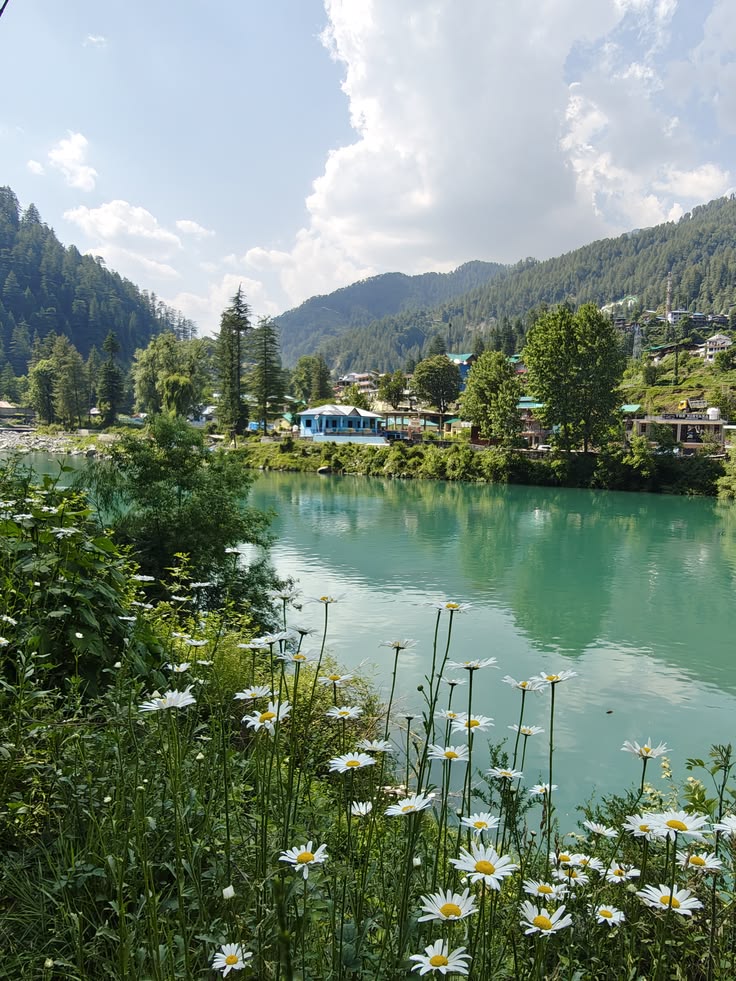
Barot Valley, Himachal Pradesh: Places to Visit & Things to Do
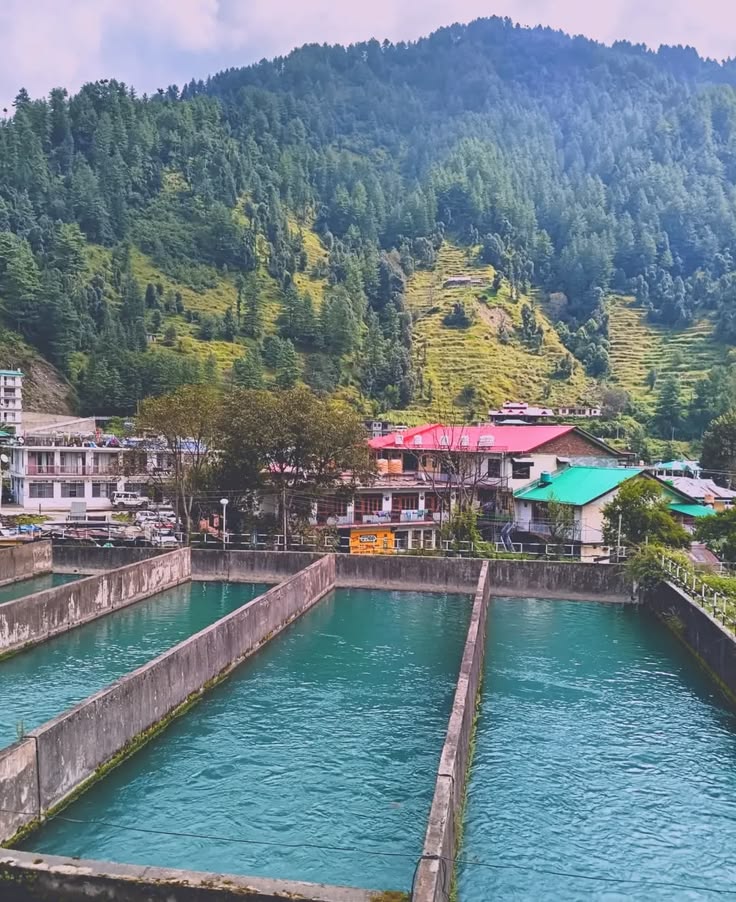
About Barot Valley, Himachal Pradesh: Places to Visit & Things to Do
Barot Valley is a peaceful mountain destination in Mandi, Himachal Pradesh, known for the Uhl River, trout fishing, forested hills and outdoor experiences. Situated at around 1,835 metres, it is a popular choice for travellers interested in trekking, camping, village walks and a quieter side of the Himalayas. The valley also provides access to the Nargu Wildlife Sanctuary and several mountain routes.
Details & Guide
Why Barot Valley Is Worth Visiting
Barot is a good choice for travellers who want a combination of nature, outdoor activities and peaceful mountain surroundings.
The area offers:
-
Uhl River and riverside landscapes
-
Trout fish farm
-
Regulated trout angling
-
Forested mountain slopes
-
Trekking routes
-
Village walks
-
Camping opportunities
-
Seasonal waterfalls and streams
-
Nargu Wildlife Sanctuary
-
Shanan hydropower project and reservoir
The destination is particularly appealing to travellers who prefer a quieter Himalayan experience over crowded tourist centres.
Places to Visit in Barot Valley
Uhl River
The Uhl River is one of the defining natural features of the valley. It flows through Barot and creates the riverside landscape that gives the destination much of its character.
A relaxed walk along the river is one of the easiest ways to explore the area. The surrounding forests, mountain slopes and village scenery make the riverside especially pleasant during the morning and evening.
Visitors should avoid entering the river or standing on slippery rocks, particularly after rainfall or when the water level is changing.
Barot Trout Fish Farm
The trout fish farm is one of the better-known attractions in the area. Trout farming has become closely associated with Barot because of the cold water of the Uhl and the surrounding mountain environment.
Visitors interested in angling should remember that fishing is regulated and requires the appropriate permission or licence. The fish farm itself can also be interesting for travellers who want to understand the role of trout farming in the local economy.
Shanan Power Project Reservoir
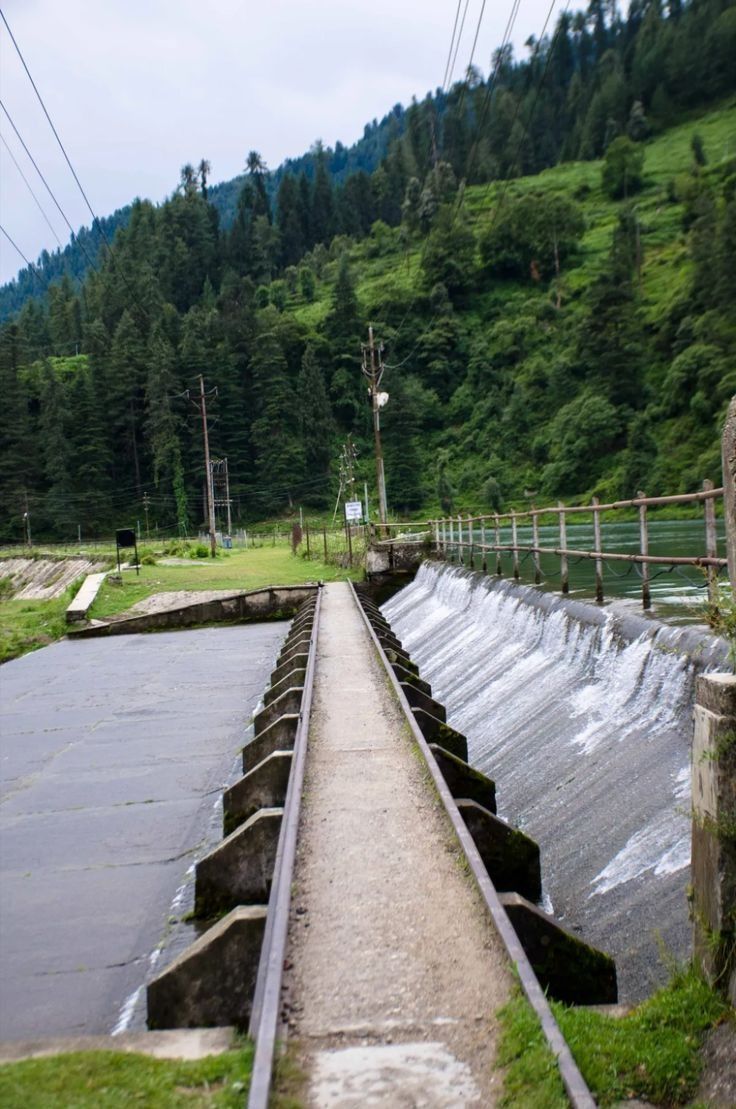
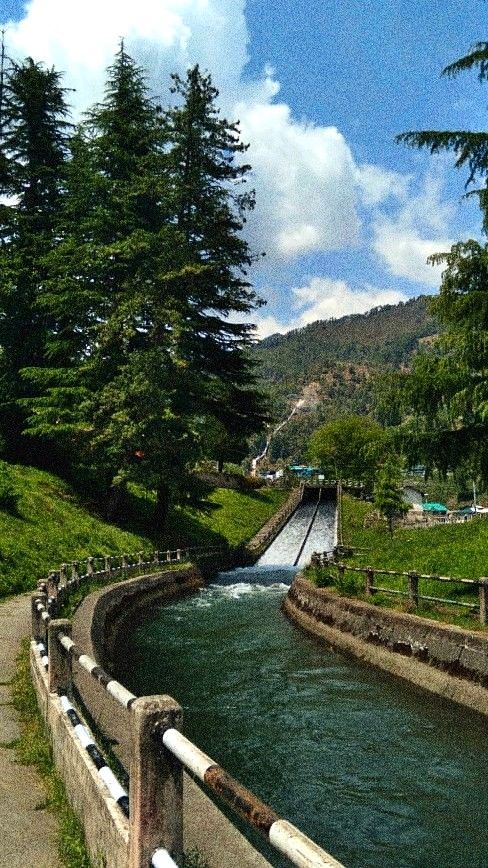
The reservoir associated with the Shanan hydropower project is an important part of the Barot landscape.
The hydroelectric development has a long connection with the valley and contributed to its development as a recognised destination. Today, the reservoir and surrounding hills add to the area's scenic character.
Visitors should remain within permitted areas and avoid entering operational or restricted sections of the power project.
Seasonal Waterfalls Around Barot Valley
Small waterfalls and seasonal cascades can be found around the wider valley, particularly during and after the monsoon season.
Their water flow and accessibility depend heavily on rainfall, local terrain and road or trail conditions. For this reason, these should be treated as seasonal natural attractions rather than guaranteed year-round sightseeing spots.
Travellers planning a waterfall visit should check local conditions before setting out.
Nargu Wildlife Sanctuary
The Nargu Wildlife Sanctuary is one of the important natural areas associated with Barot. Its forested landscape provides habitat for a variety of Himalayan wildlife and bird species.
The sanctuary is more suitable for nature enthusiasts, trekkers and travellers interested in forests than for conventional sightseeing.
Wildlife sightings cannot be guaranteed, and visitors should follow forest regulations and avoid entering sensitive areas without appropriate guidance.
Things to Do in Barot Valley
Trout Fishing
Trout fishing is one of the activities most closely associated with Barot. Designated stretches of the river are used for trout angling, but fishing is regulated.
Visitors interested in angling should obtain the required licence and follow the current fishing rules rather than fishing freely in the river.
Riverside Walks
A riverside walk is an easy way to experience the natural surroundings without taking on a demanding trek.
The route can include sections around the village, river and nearby countryside. Comfortable footwear is recommended because some surfaces can become slippery after rain.
Trekking
Barot is a base for several mountain trekking routes connecting the surrounding regions.
Routes towards Bhubu Pass and Thamsar Pass are associated with the wider Barot trekking landscape. These are considerably more demanding than short village walks and require preparation, suitable weather and, where appropriate, experienced local guidance.
Camping
Camping is a popular way to experience the quieter side of the valley. The combination of forests, mountain landscapes and the Uhl River creates a natural setting for an overnight stay.
Camping should be done only at permitted or established locations. Tents should not be pitched directly beside the river because water levels can change rapidly during heavy rainfall.
Village Walks
Short walks through the surrounding villages provide an opportunity to experience the rural side of Mandi.
Travellers can see traditional mountain settlements, cultivated fields, forested slopes and local landscapes that are often missed when travelling only by road.
For unfamiliar trails, local guidance is recommended.
Barot Valley Trekking
Barot is more than a riverside destination; it also provides access to longer mountain trekking routes.
Some routes connect towards the Kullu side, while others lead towards higher areas of Kangra and the Bada Bhangal region. Bhubu Pass and Thamsar Pass are among the notable trekking routes associated with the wider area.
Short village and forest walks are suitable for casual travellers, while high-altitude routes require considerably more preparation.
Before starting a trek, consider:
-
Current weather conditions
-
Trail condition
-
Local access restrictions
-
Water availability
-
Guide requirements
-
Overnight arrangements
-
Mobile network limitations
-
Emergency planning
Barot Valley Camping
Camping in Barot is suitable for travellers looking for a simple mountain experience away from busy tourist centres.
Seasonal camps and other accommodation options may be available around the valley, while homestays and guesthouses provide an alternative for visitors who prefer more comfortable accommodation.
During the monsoon, avoid low-lying areas close to the Uhl River. Heavy rainfall can cause sudden changes in water flow and make riverbanks unsafe.
How to Reach Barot Valley
By Road
Barot can be reached by road from the Mandi side through the Ghatasani route. The destination is approximately 40 km from Jogindernagar and around 65 km from Mandi, although actual travel distance can vary depending on the route used.
The final mountain roads are narrower and winding compared with major highways. Drivers should maintain a moderate speed, especially around blind curves and during wet weather.
By Bus
Bus services connect Barot with surrounding towns and the wider Mandi and Jogindernagar areas.
Public transport frequency can vary, so travellers depending on buses should confirm the current schedule before beginning the final part of the journey.
By Train
The nearest narrow-gauge railway connection is at Jogindernagar, around 40 km from Barot.
Travellers arriving by train need to continue the remaining journey by road.
By Air
Kangra Airport at Gaggal is one of the nearest airport options, while Bhuntar Airport can also be considered depending on flight availability and the travel route.
Since the final journey involves mountain roads, travellers should allow sufficient time for road travel after arriving at the airport.
Barot Valley Location and Distance
Barot is located in Mandi district of Himachal Pradesh, in the Uhl River valley.
Approximate travel distances include:
-
Jogindernagar: about 40 km
-
Mandi: about 65 km
-
Kangra Airport: about 114 km
-
Bhuntar Airport: about 123 km
Actual travel time can vary depending on traffic, road conditions, weather and the route taken.
Barot Valley Height
Barot is situated at approximately 1,835 metres above sea level.
Its elevation gives the area a cooler mountain climate compared with the plains while keeping it lower than many of Himachal Pradesh's high-altitude destinations.
Best Time to Visit Barot Valley
The ideal time depends on the activities you want to include in your trip.
March to June
Spring and early summer are suitable for sightseeing, village walks, outdoor activities and lower-altitude trekking.
The surrounding landscape becomes greener during this period and daytime conditions are generally comfortable for exploring.
July to September
The monsoon brings significant rainfall to the region.
The valley becomes lush and green, but rain can affect mountain roads, trails and camping plans. Travellers should check local weather and road conditions before travelling.
October to November
Autumn can be a pleasant period for exploring Barot. Cooler temperatures and clearer mountain conditions can make this season suitable for walking, photography and outdoor activities.
December to February
Winter brings colder temperatures and the possibility of snow in surrounding higher areas.
Travellers visiting during winter should carry adequate warm clothing and check road conditions before travelling.
Barot Valley Weather
Weather conditions change considerably throughout the year.
Summer days can be comfortable for outdoor activities, while winter nights can become quite cold. The monsoon can bring heavy rain and temporary disruption to mountain roads.
For trekking and camping, it is better to check the latest weather conditions before travelling rather than relying only on general seasonal information.
Where to Stay in Barot
Accommodation in Barot is simpler and quieter compared with major Himachal hill stations.
Travellers can find options such as:
-
Homestays
-
Guesthouses
-
Camps
-
Basic mountain stays
-
Government accommodation where available
A homestay is a good choice for travellers who want to experience the local environment, while camping can suit those looking for a closer connection with nature.
During weekends, holidays and peak travel periods, advance accommodation confirmation is recommended because the number of options is limited.
Is Barot Valley Good for a Family Trip?
Barot can be a good option for families who enjoy nature, peaceful surroundings and easy outdoor activities.
Riverside walks and village exploration can work well for a relaxed family itinerary. However, activities such as high-altitude trekking, fishing and camping require additional planning.
Families with children should maintain a safe distance from fast-flowing water, steep slopes and slippery rocks.
Is Barot Valley Good for Beginners?
Yes, for travellers who want to enjoy sightseeing, village walks, riverside views and a relaxed mountain stay.
However, not every activity is beginner-friendly. High-altitude routes towards mountain passes require trekking experience, proper equipment, suitable weather and, preferably, local guidance.
You can enjoy Barot without attempting a demanding trek.
Travel Tips for Barot Valley
-
Check road and weather conditions before travelling.
-
Carry some cash because connectivity can be limited in remote areas.
-
Carry warm clothing even during summer evenings.
-
Wear proper footwear for village and forest trails.
-
Do not swim or wade in the Uhl River.
-
Avoid camping directly beside the river.
-
Obtain the required fishing permission before angling.
-
Stay away from restricted power-project areas.
-
Follow forest and wildlife regulations.
-
Avoid littering and carry back plastic waste.
-
For long treks, consider hiring an experienced local guide.
-
Keep emergency contacts and basic medicines with you.
FAQs
Common questions about this place
Barot is famous for the Uhl River, trout fish farm, trout fishing, forested mountain landscapes, trekking routes and its connection with Nargu Wildlife Sanctuary.
Barot is located in Mandi district of Himachal Pradesh, along the Uhl River.
Barot is situated at approximately 1,835 metres above sea level.
Popular activities include riverside walks, visiting the trout fish farm, regulated trout angling, camping, village walks and trekking.
Yes. Barot is a base for several trekking routes towards the Kullu and Kangra regions, including routes associated with Bhubu Pass and Thamsar Pass. Longer routes require proper preparation and experience.
Trout fishing is possible in designated waters, but it is regulated. Anglers need the appropriate licence and must follow the current Fisheries Department rules.
The Mandi district administration lists Kangra Airport at Gaggal as approximately 114 km from Barot. Bhuntar Airport is another nearby option at around 123 km.
Jogindernagar is the nearest narrow-gauge rail link and is approximately 40 km from Barot.
Need Local Help?
Let our experts help you plan the perfect trip to Barot Valley, Himach....