Narkanda
Discover Narkanda
Places to Visit in Narkanda: A Complete Travel Guide
Narkanda is a peaceful hill destination in Shimla district, Himachal Pradesh, known for its mountain views, dense forests, apple orchards and winter snowfall. Located approximately 60–65 km from Shimla along the Hindustan–Tibet Road, it offers a quieter mountain experience for travellers heading beyond the more crowded attractions around Shimla.
The most popular attraction is Hatu Peak, home to Hatu Mata Temple and panoramic views of the surrounding mountains. Other places to explore include Tani Jubbar Lake, the skiing slopes near Narkanda and the apple-growing villages of Thanedar and Kotgarh.
Whether you are planning a summer road trip, a winter visit for possible snowfall or a weekend in the hills, this guide to places to visit in Narkanda covers the main attractions, activities, travel seasons and practical tips to help you plan your journey.
Best Places to Visit in Narkanda
1. Hatu Peak
Hatu Peak is the most prominent attraction in Narkanda and a highlight for travellers who enjoy mountain scenery. Situated at approximately 3,400 metres above sea level, the peak offers sweeping views of forested slopes, valleys and Himalayan landscapes on clear days.
The journey from Narkanda town to Hatu Peak passes through winding mountain roads and dense forests. Visitors can travel towards the summit by road when conditions permit or hike along the route. The road is narrow in places, so drive carefully and check local conditions during winter or after heavy rain.
Hatu Peak is particularly attractive for photography, peaceful mountain views and short trekking excursions. Start early if you want more time at the summit and a better chance of enjoying clear morning views.
Best for: Mountain views, photography, trekking and nature lovers.
2. Hatu Mata Temple
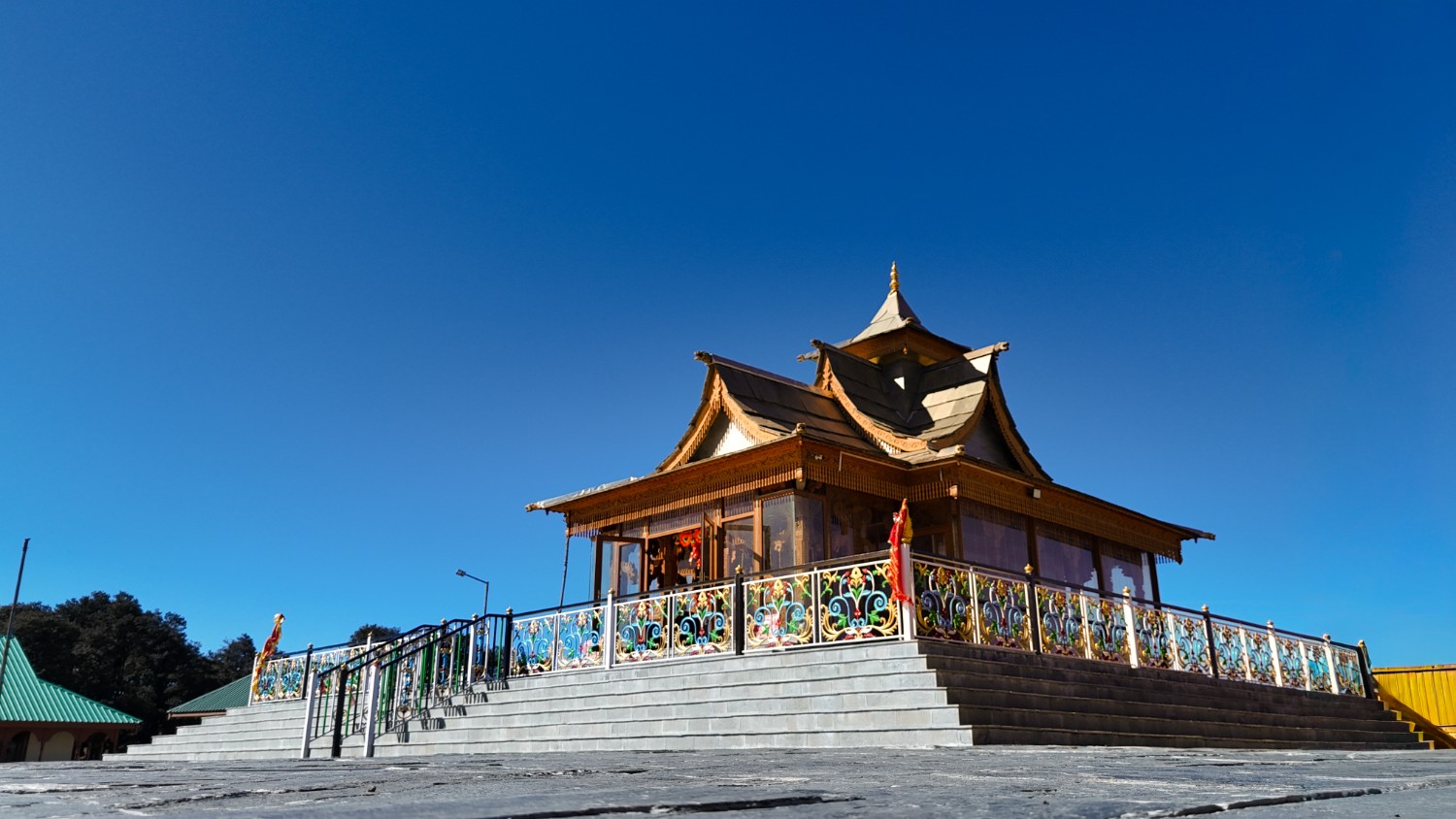
Hatu Mata Temple stands near the summit of Hatu Peak and is one of the region's best-known religious sites. The wooden temple architecture and mountain setting make it a distinctive stop for both pilgrims and travellers exploring the area.
Local traditions and legends are associated with the temple, which holds cultural and religious importance for nearby communities. Visitors should dress respectfully, follow local customs and avoid disturbing worshippers.
The temple visit is usually combined with Hatu Peak because both are located in the same area. In winter, snow and ice can affect access to the summit, so check road conditions before setting out.
Best for: Religious visits, local heritage and mountain scenery.
3. Tani Jubbar Lake
Tani Jubbar Lake is a small scenic lake surrounded by trees and mountain countryside near Narkanda. It offers a quieter alternative to the more prominent viewpoints and is suitable for travellers who want a relaxed stop during their trip.
The surrounding landscape changes with the season. Greenery and pleasant weather can make the area attractive in warmer months, while mist and winter conditions create a different atmosphere. The lake is also associated with local religious and cultural traditions.
Facilities in the immediate area may be limited, so do not rely on finding restaurants, shops or other services exactly when you arrive. Keep the surroundings clean and respect local customs.
Best for: Quiet sightseeing, photography and a short nature break.
4. Narkanda Ski Slopes
Narkanda has a history of winter skiing and is known for its snow-covered slopes when conditions are suitable. The area attracts visitors interested in trying skiing or enjoying the winter mountain landscape.
Skiing opportunities depend on snowfall, snow depth, weather and the availability of local facilities or instructors. Do not assume that every winter visit will offer suitable skiing conditions. Confirm the current situation before travelling specifically for snow sports.
If you are a beginner, seek guidance from an experienced instructor and use suitable equipment. Avoid skiing on unmarked or unsafe slopes.
Best for: Winter visitors, beginners when instruction is available and snow enthusiasts.
5. Stokes Farm and Apple Orchards in Thanedar
The villages around Thanedar and Kotgarh are known for apple cultivation and scenic orchard landscapes. The area is historically associated with Samuel Evans Stokes, later known as Satyanand Stokes, whose work helped develop commercial apple growing in Himachal Pradesh.
Visiting this apple-growing belt provides a different experience from traditional hill-station sightseeing. Depending on the season, you may see blossoms, growing fruit or orchards during harvest time.
Orchards and farms may be privately owned, and visitor access can vary. Ask permission before entering agricultural land or photographing people at work.
Best for: Rural landscapes, agricultural heritage and seasonal photography.
6. Jau Baug Meadow
Jau Baug is a meadow area associated with the Hatu Peak region. Its open landscape provides a contrast to the surrounding forest and can be a pleasant place to appreciate the mountain scenery.
The visit can be combined with Hatu Peak, depending on your route, time and local conditions. Be prepared for changing weather, uneven ground and cooler temperatures at higher elevations.
Best for: Nature lovers, scenic views and photography.
7. Mahamaya Temple, Kacheri
Mahamaya Temple near the Kacheri area is an option for visitors interested in religious sites and the countryside around Narkanda. It can be considered as part of a broader local excursion rather than a substitute for the main Hatu Peak visit.
Check the route and travel time before adding it to your itinerary, particularly if you are travelling by public transport or have only one day in the area.
Best for: Religious tourism and exploring nearby villages.
8. Kotgarh and the Surrounding Apple Belt
Kotgarh is a rural area known for apple orchards, mountain views and the agricultural landscape of the upper Shimla region. It is a good option for travellers who want to explore beyond the central Narkanda market and main attractions.
The best experience depends on the season. Blossom periods and harvest time offer different scenery, while the rest of the year provides an opportunity to appreciate village life and the surrounding hills.
Kotgarh is better suited to a relaxed drive with time for stops than a rushed sightseeing schedule.
Best for: Scenic drives, orchard landscapes and rural experiences.
Things to Do in Narkanda
Narkanda is suitable for both short sightseeing trips and slower mountain holidays. Choose activities according to the season and local conditions.
-
Visit Hatu Peak: Enjoy panoramic views and explore the area around Hatu Mata Temple.
-
Go trekking: Walk through forested terrain towards Hatu Peak if weather and access conditions are suitable.
-
Try skiing: Look for locally available instruction and equipment during periods with sufficient snow.
-
Explore apple country: Visit the Thanedar and Kotgarh area to appreciate the region's agricultural landscape.
-
Photograph the mountains: Clear mornings may provide excellent views, while changing weather creates different scenery.
-
Visit Tani Jubbar Lake: Add a peaceful stop to your Narkanda itinerary.
-
Enjoy a scenic road trip: Narkanda lies on a route used by travellers continuing towards Rampur and the Kinnaur region.
Best Time to Visit Narkanda
The best time to visit Narkanda depends on whether you prefer comfortable sightseeing, green landscapes or winter activities.
March to June: This period is generally suitable for sightseeing, mountain drives and outdoor exploration. Temperatures are often more comfortable than in winter, although mornings and evenings can still be cool.
July to September: The landscape becomes greener during the monsoon. However, heavy rain, mist, landslides and road disruption can affect travel. Check weather and road updates before leaving.
October to November: These months can offer crisp weather, autumn scenery and clear mountain views. Conditions change quickly at higher elevations, so carry warm clothing.
December to February: Winter brings colder temperatures and the possibility of snowfall. Skiing and snow activities depend on actual snow conditions, and access to Hatu Peak may be affected by ice or snow.
For general sightseeing, spring and autumn are useful choices. For a snow-focused trip, keep your plans flexible and check recent local conditions rather than relying only on the calendar.
Narkanda Snowfall: When Can You See Snow?
Narkanda can receive snowfall during winter, but the timing and amount vary from year to year. Some visits may bring fresh snow, while others may be cold without substantial snowfall.
Travellers hoping to experience snow should check the weather forecast and recent local updates shortly before departure. Snowfall may also affect road access, especially on the route towards Hatu Peak.
Carry warm layers, shoes with good grip and enough time for delays. If roads are icy, avoid driving without suitable experience and equipment. Do not assume that skiing or snow-play facilities will be operating on every winter date.
How to Reach Narkanda from Shimla
By Road
Narkanda is approximately 60–65 km from Shimla by road. The route generally passes through Kufri, Fagu and Theog before continuing towards Narkanda along the Hindustan–Tibet Road.
You can travel by taxi, private vehicle or suitable bus services heading towards Narkanda, Rampur or destinations farther along the route. Journey time depends on traffic, road conditions, weather and the exact starting point.
The route includes winding mountain roads. Allow additional time during weekends, holidays, monsoon conditions and winter weather.
By Train
Shimla Railway Station is the nearest rail connection for the final road journey to Narkanda. Travellers arriving on the Kalka–Shimla narrow-gauge railway can continue by taxi or bus, depending on the available services.
Kalka is a major rail connection for travellers arriving from other parts of India. From there, continue towards Shimla and then travel onward to Narkanda.
By Air
Shimla Airport at Jubbarhatti is the nearest airport in the Shimla area, but flight availability may be limited. Chandigarh Airport may be a practical alternative depending on your flight schedule and starting location.
From the airport, the remaining journey to Narkanda is by road. Compare the complete journey time rather than choosing an airport based only on straight-line distance.
Distance from Shimla to Narkanda
Narkanda is around 60–65 km from Shimla by road. The trip usually takes a few hours, depending on traffic, weather, roadworks and the starting point in Shimla.
If you plan to visit Hatu Peak on the same day, allow additional time for the mountain road and sightseeing at the summit. Avoid planning too many other stops if you need to return to Shimla before dark.
Suggested One-Day Narkanda Itinerary
Morning: Start early from Narkanda town and head towards Hatu Peak, subject to road and weather conditions. Visit Hatu Mata Temple and enjoy the mountain views.
Late morning: Spend time exploring the surrounding forest and viewpoints. Walk only on suitable paths and allow extra time for the return journey.
Afternoon: Return towards Narkanda and take a break for lunch. If time and road conditions allow, visit Tani Jubbar Lake.
Evening: Explore the town or begin your onward journey. If the weather is poor or you are travelling in winter, keep the itinerary shorter.
For a more relaxed trip, stay overnight and explore Thanedar or Kotgarh on another day.
Places to Visit Near Narkanda
Narkanda can be combined with other destinations in the Shimla region or used as a stop on a longer mountain road trip.
-
Fagu: Known for its mountain scenery, orchards and peaceful surroundings.
-
Kufri: A popular destination for viewpoints and seasonal activities near Shimla.
-
Thanedar: A rural destination associated with apple orchards and agricultural heritage.
-
Kotgarh: An apple-growing area with scenic countryside and mountain views.
-
Shimla: Offers heritage attractions, shopping streets and a wider range of visitor facilities.
Choose nearby stops according to your available time. Mountain distances can take longer to cover than expected, and winter or monsoon weather may change travel plans.
Travel Tips for Narkanda
-
Start early for Hatu Peak, especially if you plan to return to Shimla on the same day.
-
Check the latest road conditions before travelling during snowfall or heavy rain.
-
Carry warm clothing in every season because temperatures can drop after sunset.
-
Wear suitable shoes for trekking, forest walks and uneven paths.
-
Confirm the availability of skiing facilities and instruction before planning winter activities.
-
Ask permission before entering orchards or private properties.
-
Carry drinking water and basic essentials when visiting quieter areas where services may be limited.
-
Keep a flexible itinerary in case fog, snow or road conditions cause delays.
-
Avoid littering and respect local religious sites and community traditions.
Is Narkanda Worth Visiting?
Narkanda is worth visiting if you enjoy mountain views, forest scenery, apple-growing villages and a quieter alternative to the busier parts of Shimla. Hatu Peak is the main attraction, while Tani Jubbar Lake, winter activities and the surrounding apple belt offer more ways to explore the area.
A day trip can cover the main highlights, but an overnight stay allows you to travel at a more relaxed pace and explore nearby villages. If you are visiting for snowfall or skiing, check current conditions before travelling because winter weather and facilities vary.
FAQs
Common questions about Narkanda
The main places to visit in Narkanda include Hatu Peak, Hatu Mata Temple, Tani Jubbar Lake, the Narkanda ski slopes, Jau Baug meadow and the apple-growing areas around Thanedar and Kotgarh.
Narkanda is famous for Hatu Peak, mountain views, apple orchards, winter snowfall and seasonal skiing opportunities. It is also a quieter stop for travellers exploring the upper Shimla region.
Narkanda is approximately 60–65 km from Shimla by road. The journey usually takes a few hours, depending on traffic, weather and road conditions.
March to June is generally suitable for sightseeing and outdoor activities, while October and November can offer pleasant autumn scenery. December to February is the winter period, when snowfall is possible but not guaranteed.
Snowfall is possible during winter, particularly from December to February, but the timing and amount vary each year. Check recent weather and road updates before travelling specifically to see snow.
Hatu Peak is approximately 7–8 km from Narkanda town by road. Travel time depends on road conditions and traffic. Walking to the summit takes considerably longer than driving.
Beginners may be able to try skiing when there is sufficient snow and suitable facilities or instructors are available. Confirm the current season's conditions and arrangements before making a dedicated trip.
Yes. Narkanda can be suitable for families who enjoy scenic drives, mountain views, temples and nature. During winter, take extra care on icy roads and check whether planned attractions are accessible.