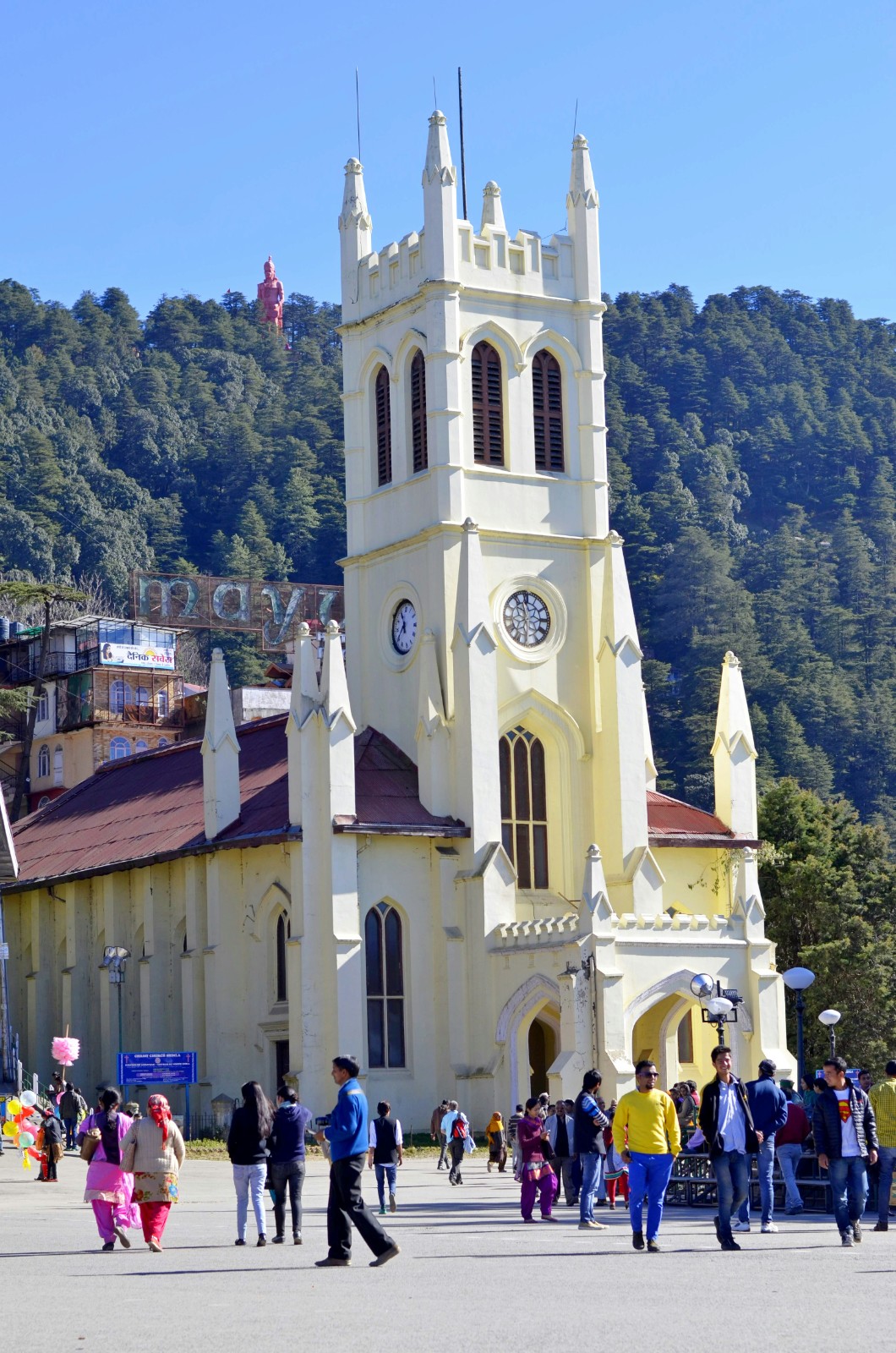
Shimla
Discover Shimla
Shimla, the capital of Himachal Pradesh, is a popular hill station known for its mountain views, colonial-era architecture, historic churches, temples and lively shopping streets. The city’s main attractions include Mall Road, The Ridge, Christ Church, Jakhu Temple, Scandal Point and the Gaiety Theatre. Visitors can also explore Viceregal Lodge, Kali Bari Temple, Lakkar Bazaar and the peaceful surroundings of Summer Hill. Whether you are planning a family holiday, a romantic getaway or a short weekend trip, Shimla offers sightseeing, local food, shopping and scenic walks. This travel guide covers the main attractions, best time to visit, itineraries, transport options and practical travel tips.
Shimla: The Queen of Hills
Shimla is one of India's best-known mountain destinations, located in the hills of Himachal Pradesh. Once the summer capital of British India, the city is recognised for its historic buildings, forested slopes, pedestrian-friendly central streets and views of the surrounding mountains. Its blend of heritage, local culture and hill-station atmosphere attracts families, couples, solo travellers and history enthusiasts.
For travellers searching for Shimla tourist places to visit, the city offers a mix of famous landmarks and quieter experiences. You can spend the morning exploring historic buildings, walk along Mall Road in the afternoon, visit a hilltop temple and finish the day with local food and shopping.
Shimla city is also a useful base for exploring the wider district. Destinations such as Kufri, Mashobra and Narkanda are outside the main city and are better planned as separate excursions.
Best Places to Visit in Shimla
1. Mall Road
Mall Road is one of Shimla's best-known streets and a central part of the city's visitor experience. It is popular for walking, shopping, dining and enjoying the atmosphere of the hill station. The area has cafés, restaurants, bookshops, clothing stores and shops selling woollens, handicrafts and local products.
Mall Road is especially lively in the late afternoon and evening, when visitors come to browse shops, enjoy the views and relax over a meal. Vehicle access is restricted along much of the central pedestrian area, so wear comfortable shoes and expect to walk.
Best for: Shopping, cafés, evening walks and first-time visitors.
2. The Ridge
The Ridge is a large open public space in the heart of Shimla, known for its mountain views and historic surroundings. It is closely connected to Mall Road and is one of the most recognisable places in the city.
Visitors come here to take photographs, enjoy the open space and see the surrounding heritage buildings. The area is also used for public celebrations and cultural events. On clear days, the views across the surrounding hills make it a popular place to spend time outdoors.
Best for: Photography, scenic views, relaxed walks and cultural events.
3. Christ Church
Christ Church stands near The Ridge and is one of Shimla's most prominent historic landmarks. Its distinctive neo-Gothic architecture makes it a favourite stop for visitors interested in the city's colonial heritage.
The church contributes to the historic character of the central town and is often included in walking tours around The Ridge and Mall Road. Visitors should respect the place of worship, follow any photography restrictions and avoid disturbing services.
Best for: Architecture, history and photography.
4. Jakhu Temple
Jakhu Temple is dedicated to Lord Hanuman and is located on Jakhu Hill, one of the highest points in Shimla city. The hill offers a different perspective of the surrounding mountains and town, while the temple is an important religious destination.
Visitors can reach the area on foot or use available local transport options, depending on access and current arrangements. The uphill walk can be tiring, so allow enough time and wear suitable footwear. Monkeys are commonly seen around the temple; keep food and loose belongings secure and do not feed them.
Best for: Religious visits, hill views and a short uphill outing.
5. Scandal Point
Scandal Point is a well-known meeting point where prominent central streets converge near The Ridge and Mall Road. It is a convenient stop while exploring Shimla on foot and offers views of the surrounding streets and buildings.
The location is associated with local stories about Shimla's past, although popular versions of these stories may vary. Visitors can include it in a walking route covering The Ridge, Christ Church and nearby shopping areas.
Best for: Walking tours, people-watching and heritage sightseeing.
6. Gaiety Theatre
The Gaiety Theatre, located in the Mall Road area, is an important part of Shimla's cultural and architectural heritage. The historic theatre is associated with performances and the social life of the town during the British period.
Visitors interested in history, architecture and performing arts can look into available tours, exhibitions or cultural programmes. Access to individual sections and events may vary, so check current arrangements before planning a visit.
Best for: Cultural heritage, theatre and architecture.
7. Viceregal Lodge (Rashtrapati Niwas)
Viceregal Lodge, also known as Rashtrapati Niwas, is one of Shimla's important historic buildings. It served as the residence of the British Viceroy and is notable for its grand architecture and landscaped grounds.
The building offers insight into Shimla's role during British rule and is a worthwhile stop for travellers interested in history. Entry arrangements, opening days, visitor access and ticket rules can change, so confirm the latest information before visiting.
Best for: History, architecture and heritage photography.
8. Kali Bari Temple
Kali Bari Temple is a religious attraction dedicated to Goddess Kali. It is visited by devotees and travellers interested in Shimla's spiritual traditions.
The temple can be included in a city sightseeing plan alongside the central shopping and heritage areas. Visitors should dress respectfully and check locally for prayer timings or special arrangements during festivals.
Best for: Religious visits and local cultural experiences.
9. Lakkar Bazaar
Lakkar Bazaar is known for its shops selling wooden handicrafts, walking sticks, souvenirs and other locally available products. It is a useful stop for visitors looking to shop beyond the main Mall Road stores.
Take time to browse the shops, compare prices and ask about the material and craftsmanship of wooden items. The bazaar is also a convenient place to look for gifts and souvenirs to take home.
Best for: Souvenir shopping, handicrafts and local market experiences.
10. Himachal State Museum
The Himachal State Museum offers an introduction to the region's cultural and artistic heritage. Its collections may include traditional art, sculptures, archaeological objects, coins, photographs and other historical material.
The museum is a good choice for travellers who want to understand Himachal Pradesh beyond its scenery. Since opening hours and visitor arrangements may change, check the current schedule before making a dedicated trip.
Best for: History, regional art and cultural learning.
11. Annandale
Annandale is a green open area in Shimla associated with recreation, sports and scenic surroundings. It offers a different atmosphere from the busy central shopping streets and can appeal to visitors interested in the city's landscape and history.
Access to specific grounds or facilities may be restricted or subject to local rules. Check current visitor access before travelling there.
Best for: Open landscapes, outdoor surroundings and a quieter outing.
12. Summer Hill
Summer Hill is a peaceful part of Shimla known for its green surroundings and residential character. It offers a quieter alternative to the busy central tourist area and is associated with the wider heritage and educational landscape of the city.
Visitors can explore the area respectfully, keeping in mind that it is also a lived-in neighbourhood. It is better suited to a relaxed outing than to a tightly scheduled list of major attractions.
Best for: Quiet walks, greenery and exploring a less crowded part of the city.
13. Chadwick Falls
Chadwick Falls is a natural attraction in the forested surroundings near Shimla. Its water flow is usually more impressive during or after the monsoon, although heavy rain can make paths slippery and travel conditions less predictable.
The approach may involve walking through forested terrain, so wear suitable footwear and check local conditions. Avoid visiting during unsafe weather or approaching slippery edges for photographs.
Best for: Nature, forest scenery and photography when conditions are suitable.
Things to Do in Shimla
Shimla is not only about visiting individual attractions. The city also offers simple experiences that help visitors enjoy its atmosphere and heritage.
-
Walk along Mall Road and The Ridge: Explore the central area on foot, stop at viewpoints and browse local shops.
-
Explore colonial architecture: Visit Christ Church, Gaiety Theatre and other heritage landmarks.
-
Visit Jakhu Temple: Make time for the temple and the views from Jakhu Hill.
-
Try local food: Look for Himachali dishes such as siddu, chana madra and babru, alongside cafés and restaurants serving other cuisines.
-
Shop for local products: Browse woollens, handicrafts, wooden souvenirs, traditional caps and locally made goods.
-
Ride the Kalka–Shimla heritage train: If your itinerary allows, experience the scenic narrow-gauge railway journey between Kalka and Shimla.
-
Explore a museum: Visit the Himachal State Museum to learn more about the region's art and history.
-
Enjoy the changing seasons: Spring greenery, clear autumn days and winter conditions each offer a different experience.
Best Time to Visit Shimla
The best time to visit Shimla depends on whether you prefer pleasant sightseeing weather, green landscapes, quieter travel or the possibility of winter snowfall.
March to June: Spring and Summer
Spring and summer are popular for sightseeing, walking around the central town and visiting heritage attractions. Days can be pleasant, but temperatures vary with weather and elevation. This is also a busy travel period, so accommodation and transport should be planned in advance during holidays.
July to September: Monsoon
The monsoon brings greener surroundings and fresh forest scenery, but heavy rain, fog, landslides and slippery paths can affect travel. Keep your schedule flexible, check local road conditions and avoid risky walks during poor weather.
October to November: Autumn
Autumn often brings crisp air and clearer mountain views. It is a good period for sightseeing, photography and walking around the city, although mornings and evenings can be cold.
December to February: Winter
Winter can bring low temperatures, cold nights and occasional snowfall when weather conditions are suitable. Snowfall is not guaranteed in Shimla city on particular dates. If snow is your main reason for visiting, keep your travel dates flexible and check the forecast and road conditions shortly before departure.
Shimla Weather and What to Pack
Shimla's weather changes with the season, and conditions can differ between sunny afternoons and cold mornings or evenings.
-
Spring and summer: Pack comfortable walking clothes and a light jacket.
-
Monsoon: Carry a raincoat or umbrella, non-slip footwear and a protective cover for electronics.
-
Autumn: Bring layers, especially for early mornings and evenings.
-
Winter: Pack warm layers, a winter jacket, gloves and suitable footwear.
Check the forecast before departure rather than relying only on the season. Mountain weather can change quickly, and poor visibility or heavy rain can affect travel plans.
How Many Days Are Enough for Shimla?
The amount of time you need depends on your pace and interests. These sample itineraries focus on Shimla city rather than the wider district.
Shimla in 1 Day
Morning
-
Start at The Ridge and Christ Church.
-
Walk along Mall Road and explore the nearby heritage area.
Afternoon
-
Visit Jakhu Temple if travel time and weather allow.
-
Have lunch and browse local shops.
Evening
-
Return to Mall Road and The Ridge for a relaxed walk.
-
Try local food or enjoy a café before leaving.
A one-day visit is best for the main central attractions. It may not leave enough time for every museum, temple and outlying site.
Shimla in 2 Days
Day 1: Central Shimla
-
The Ridge
-
Christ Church
-
Mall Road
-
Scandal Point
-
Gaiety Theatre
-
Lakkar Bazaar
Day 2: Heritage and Hill Attractions
-
Jakhu Temple
-
Viceregal Lodge, subject to visitor access
-
Himachal State Museum or Kali Bari Temple
-
Annandale or Summer Hill, depending on time and transport
This itinerary gives you more time to explore without rushing between attractions. Check opening arrangements for ticketed sites before finalising the route.
Shimla in 3 Days
Day 1: Explore The Ridge, Mall Road, Christ Church, Scandal Point and Gaiety Theatre.
Day 2: Visit Jakhu Temple, Viceregal Lodge and the Himachal State Museum. Add Kali Bari Temple if time permits.
Day 3: Explore Lakkar Bazaar, Summer Hill or Annandale, and enjoy a slower day for shopping, local food and photography.
If you want to include Kufri, Mashobra or Narkanda, allow extra time and plan those destinations separately from the city itinerary.
How to Reach Shimla
By Road
Shimla is connected by road with Chandigarh, Kalka, Delhi and other towns in northern India. Regular bus services and taxis operate on routes serving the city. Journey times depend on traffic, roadworks, weather and the starting point.
If you are driving, allow extra time for hill roads and avoid rushing through narrow or foggy sections.
By Train
Kalka is the main broad-gauge railway connection commonly used to reach Shimla. The Kalka–Shimla Railway is a UNESCO World Heritage-listed mountain railway known for its scenic route through the hills.
The journey generally takes several hours, depending on the train service. Check the current timetable and ticket availability before travelling, especially during holidays.
By Air
Shimla Airport at Jubbarhatti is located outside the city, but flight availability can be limited and weather can affect operations. Chandigarh Airport is another option for travellers who prefer a wider choice of flight connections, followed by onward road travel.
Getting Around Shimla City
The central tourist area is best explored on foot because Mall Road and The Ridge are pedestrian-oriented. However, Shimla has steep slopes and uneven sections, so some walks can be tiring.
-
Walking: Best for Mall Road, The Ridge, Christ Church and nearby central attractions.
-
Taxi: Useful for outlying attractions and travellers who want to reduce uphill walking.
-
Local buses: May be useful for selected routes; confirm the current route and schedule locally.
-
Heritage train: A scenic transport experience between Kalka and Shimla rather than a way to move between city attractions.
Before booking accommodation, consider how far it is from the central walking area, the nearest road access and whether stairs or steep paths are involved.
Shimla Trip Budget: What to Plan For
The cost of a Shimla trip depends on your travel dates, accommodation category, transport, meals and the number of paid attractions you visit. Prices can rise during school holidays, long weekends, winter holidays and periods of high demand.
Include these items when planning your budget:
-
Travel to and from Shimla
-
Hotel or guesthouse accommodation
-
Local taxis or public transport
-
Meals, snacks and drinks
-
Entry tickets or guided visits where applicable
-
Shopping and souvenirs
-
A contingency amount for weather-related delays or itinerary changes
To manage costs, compare accommodation locations rather than choosing only by price, walk between central attractions where practical and confirm ticket prices before visiting. Book transport and accommodation ahead during busy periods.
Local Food to Try in Shimla
Shimla offers cafés, restaurants, bakeries and eateries serving both regional and national cuisines. Travellers interested in local food can look for traditional Himachali dishes, including:
-
Siddu: A steamed bread traditionally made from wheat dough.
-
Chana Madra: A Himachali dish prepared with chickpeas and a yoghurt-based gravy.
-
Babru: A local preparation often described as a stuffed, fried bread.
-
Dham: A traditional festive meal served on special occasions.
-
Seasonal local produce: Depending on the restaurant and season, menus may feature regional ingredients and produce from Himachal Pradesh.
Availability varies between restaurants, so ask about ingredients if you have dietary requirements.
Shopping in Shimla
Shopping is a popular part of a Shimla visit, particularly around Mall Road and Lakkar Bazaar. Visitors can browse woollen clothing, shawls, caps, wooden handicrafts, souvenirs, books and locally available food products.
Compare prices and quality before buying, especially for handicrafts and woollens. If you are travelling by air or train, consider the size and weight of your purchases before packing.
Practical Travel Tips for Shimla
-
Wear comfortable shoes because sightseeing involves walking, stairs and slopes.
-
Carry layers even in warmer months, as evenings can be chilly.
-
Check attraction opening times and ticket arrangements before travelling.
-
Keep an eye on weather forecasts during the monsoon and winter.
-
Use designated paths and follow local rules at religious sites and heritage properties.
-
Keep food and loose items secure around monkeys, especially near Jakhu Temple.
-
Avoid feeding or approaching wild animals.
-
During peak season, allow extra time for traffic, parking and queues.
-
Ask about road access and walking distances before booking a hotel.
-
Keep essential medicines, drinking water and a charged phone with you during day trips.
Plan Your Shimla Visit
Shimla combines historic architecture, mountain scenery, religious landmarks, shopping streets and local food in a compact hill-station setting. Start with The Ridge and Mall Road, choose additional attractions based on your interests, and leave enough time to enjoy the city without rushing.
For a smoother trip, plan your itinerary around the season, confirm opening arrangements for individual attractions and check road and weather conditions before travelling. If you have additional days, consider exploring the wider Shimla district separately.
Places to Visit
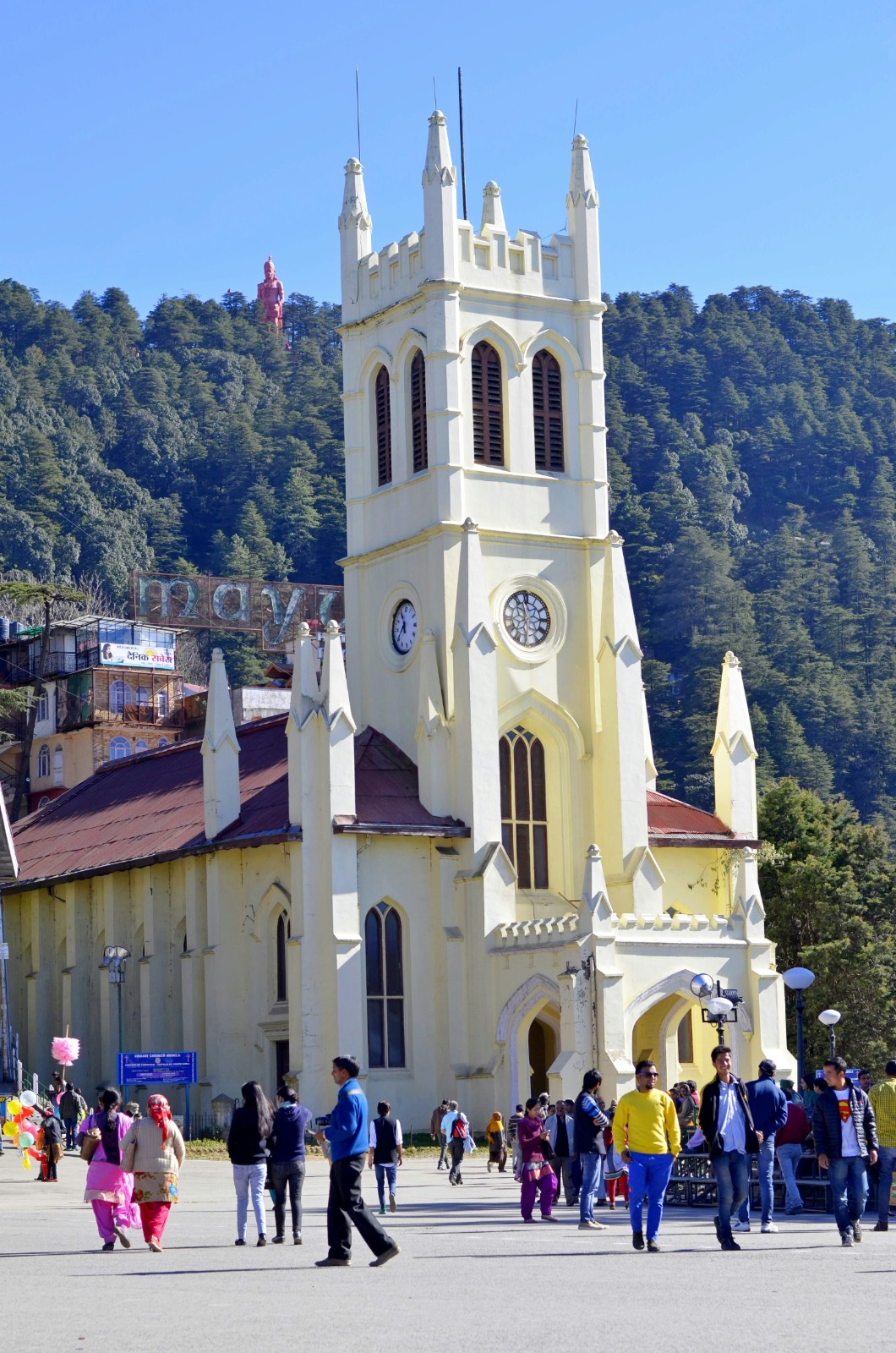
Mall Road Shimla: Things to Do & Travel Guide
Shimla Mall Road is one of the best-known places to explore in Shimla, Himachal Pradesh. Discover its shopping streets, cafés, restaurants, colonial-era landmarks and nearby attractions such as The Ridge, Scandal Point and Christ Church. This guide covers things to do, transport, parking and useful travel tips for planning your visit.
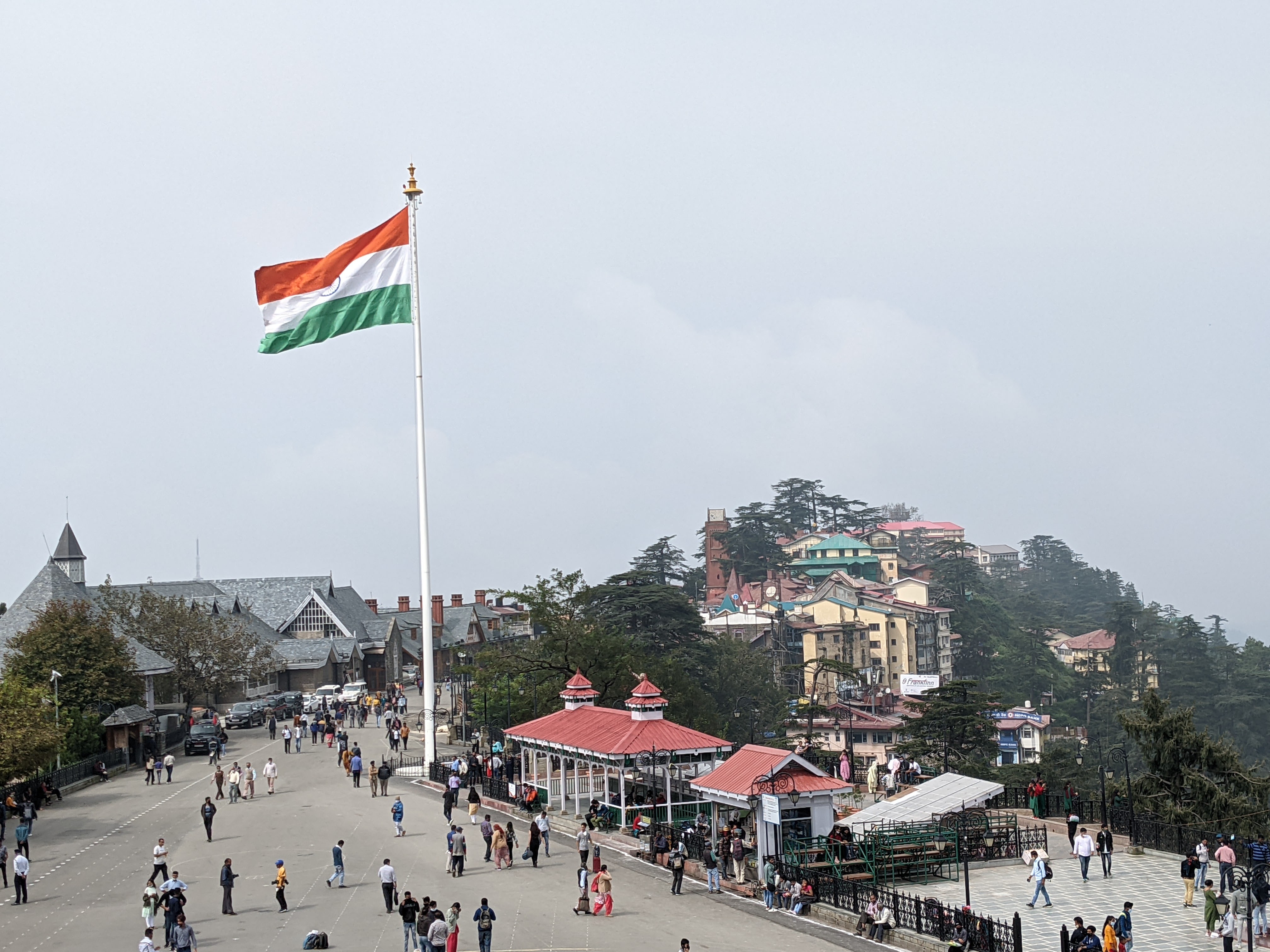
The Ridge Shimla: History, Timings & Things to Do
The Ridge is the large open plateau at the centre of Shimla, running from Scandal Point towards Christ Church. Wide mountain views, colonial-era buildings and a car-free setting make it the city’s favourite place for walks, festivals, photography and quiet evenings.
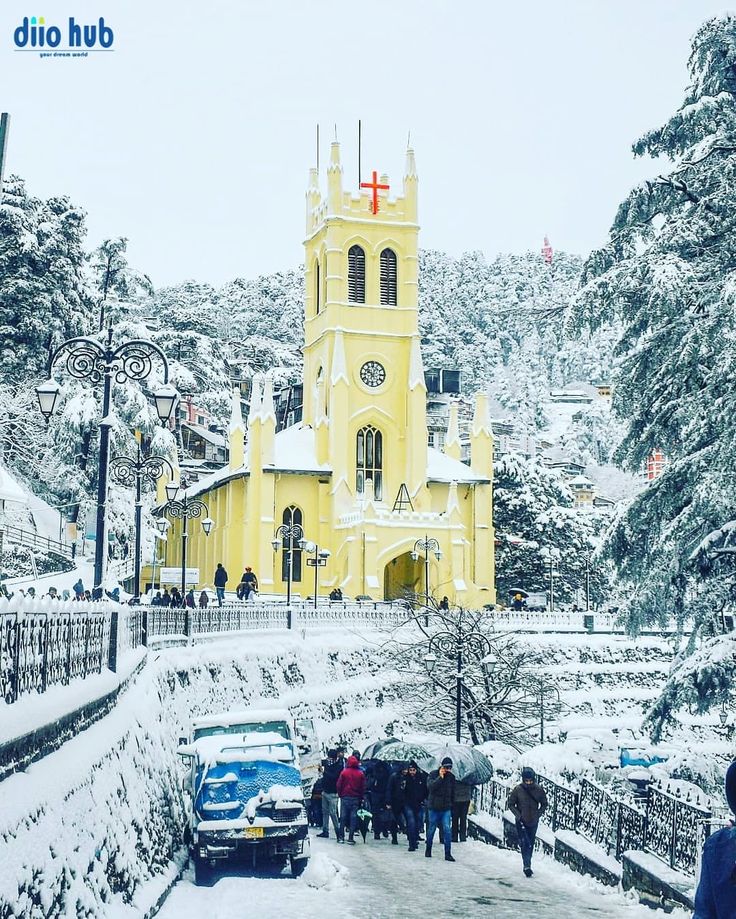
Christ Church Shimla: History, Timings & Entry Fee
Christ Church Shimla is one of the city's most recognisable heritage landmarks, standing on The Ridge in the heart of Shimla, Himachal Pradesh. Known for its distinctive yellow exterior, historic clock and stained-glass windows, the church is a popular stop for visitors exploring Shimla's colonial architecture and central sightseeing area. Its location makes it easy to combine a visit with The Ridge, Mall Road and nearby heritage buildings.
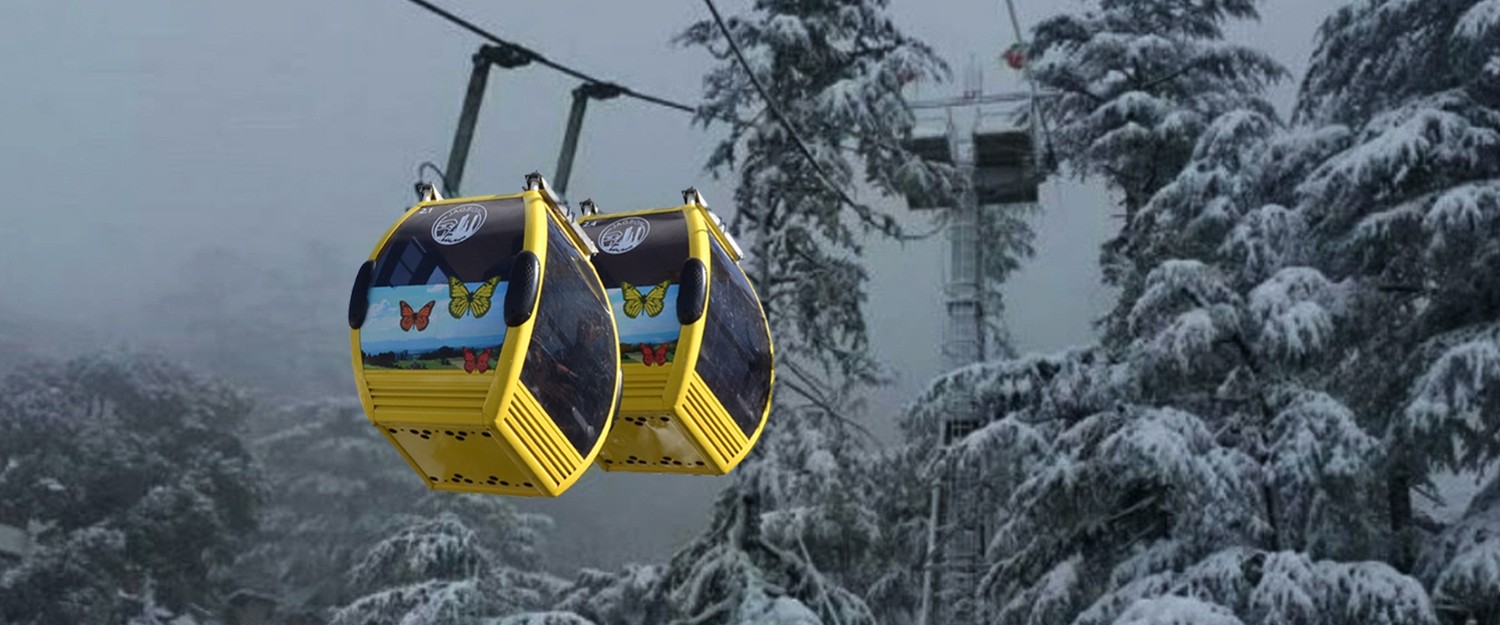
Jakhoo Ropeway Shimla: Ticket Price, Timings & Guide
Want to enjoy beautiful views of Shimla without climbing a steep hill? Jakhoo Ropeway Shimla offers a convenient and scenic cable car ride from The Ridge to the area near Jakhu Temple, one of the city's most famous attractions. The approximately five-minute journey each way gives you an elevated view of Shimla's hills, buildings and surrounding forests while saving you the uphill walk. You can choose a one-way or round-trip ticket depending on your sightseeing plans. Before visiting, check the latest ticket prices, operating timings and weather-related service updates to plan a smooth trip.
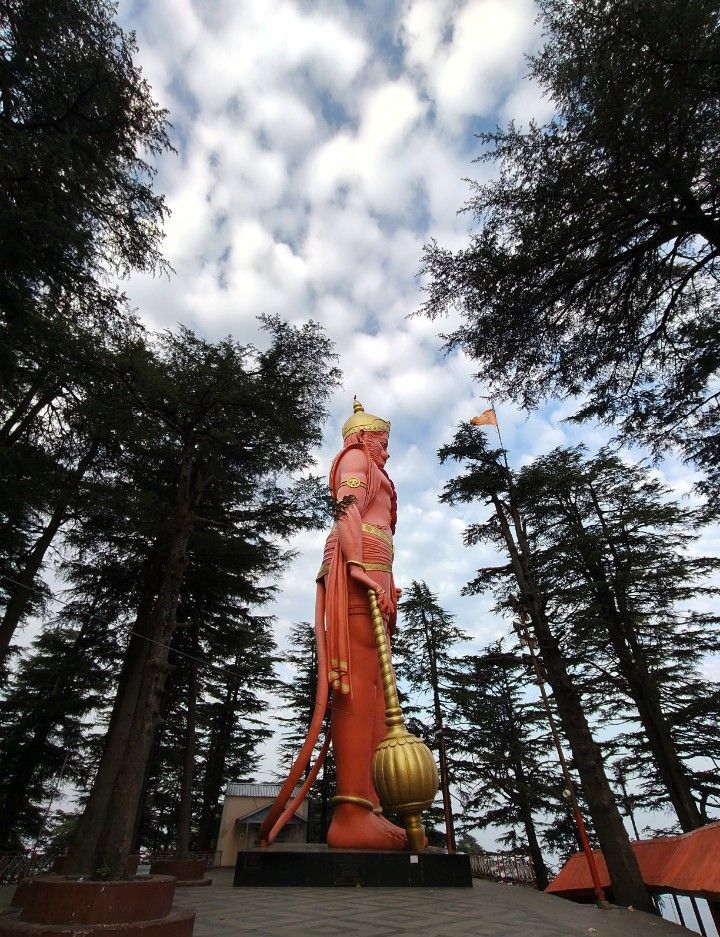
Jakhu Temple Shimla: Timings, Ropeway & Guide
Jakhu Temple is one of the most popular religious and tourist attractions in Shimla, Himachal Pradesh. Located on Jakhu Hill, the temple is dedicated to Lord Hanuman and is known for its towering 108-foot Hanuman statue, forested surroundings and elevated views of the city. Visitors can reach the temple by walking uphill, taking a taxi or using the Jakhu Ropeway from near The Ridge. Before visiting, travellers should check the current timings and ropeway operations and keep their belongings secure around the monkeys found in the area.
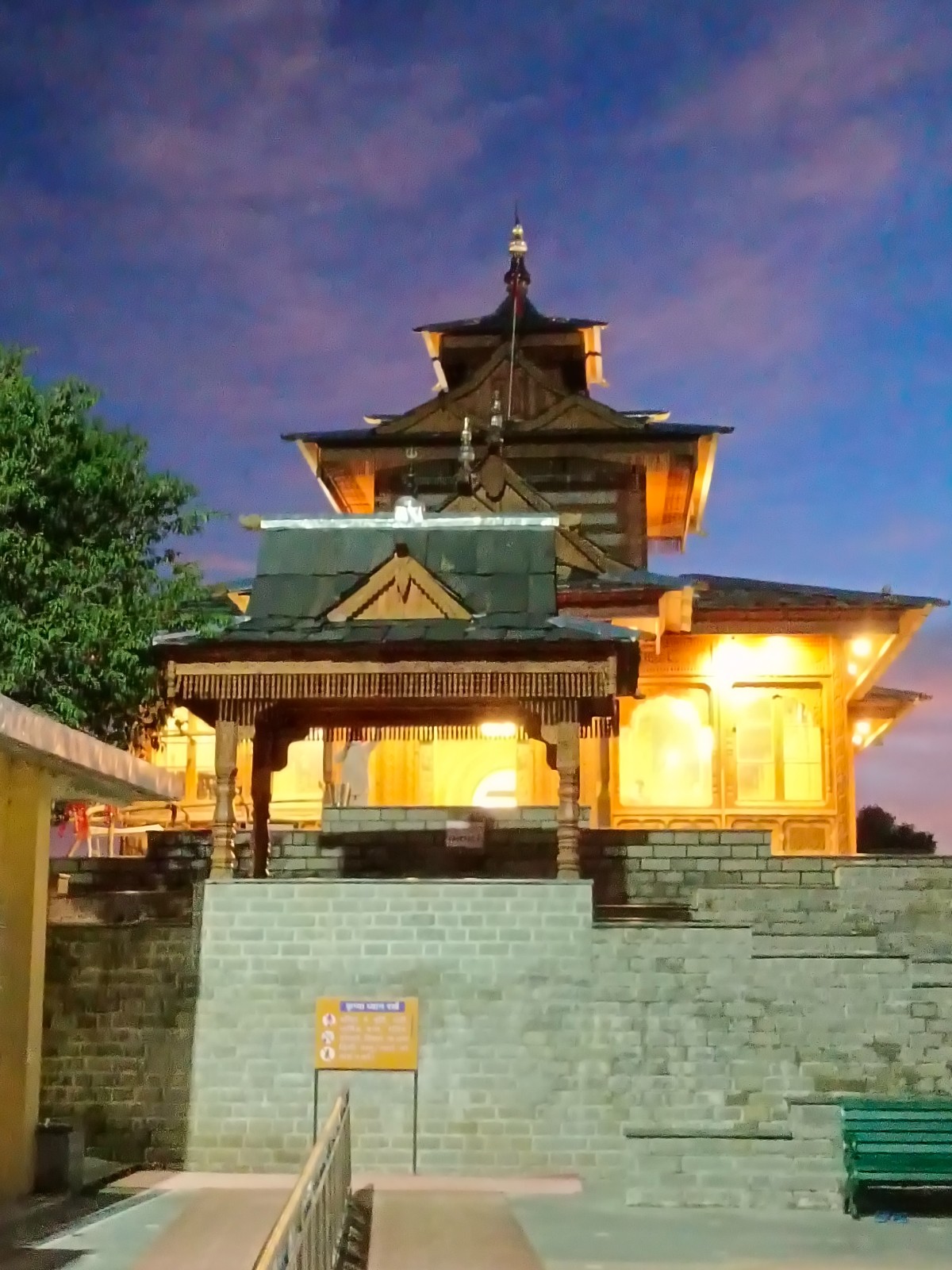
Tara Devi Temple Shimla – History, Location & Travel Guide
Tara Devi Temple is a well-known religious attraction near Shimla, Himachal Pradesh. Dedicated to Goddess Tara, the temple stands on a forested hill overlooking the surrounding mountains and valleys. It is known for its traditional Himachali wood-and-stone architecture, peaceful atmosphere and scenic views. Located approximately 11–13 km from central Shimla, Tara Devi Temple is a popular stop for devotees, families and travellers exploring the region. Visitors can plan a trip to seek blessings, admire the temple’s architecture and enjoy the natural surroundings.
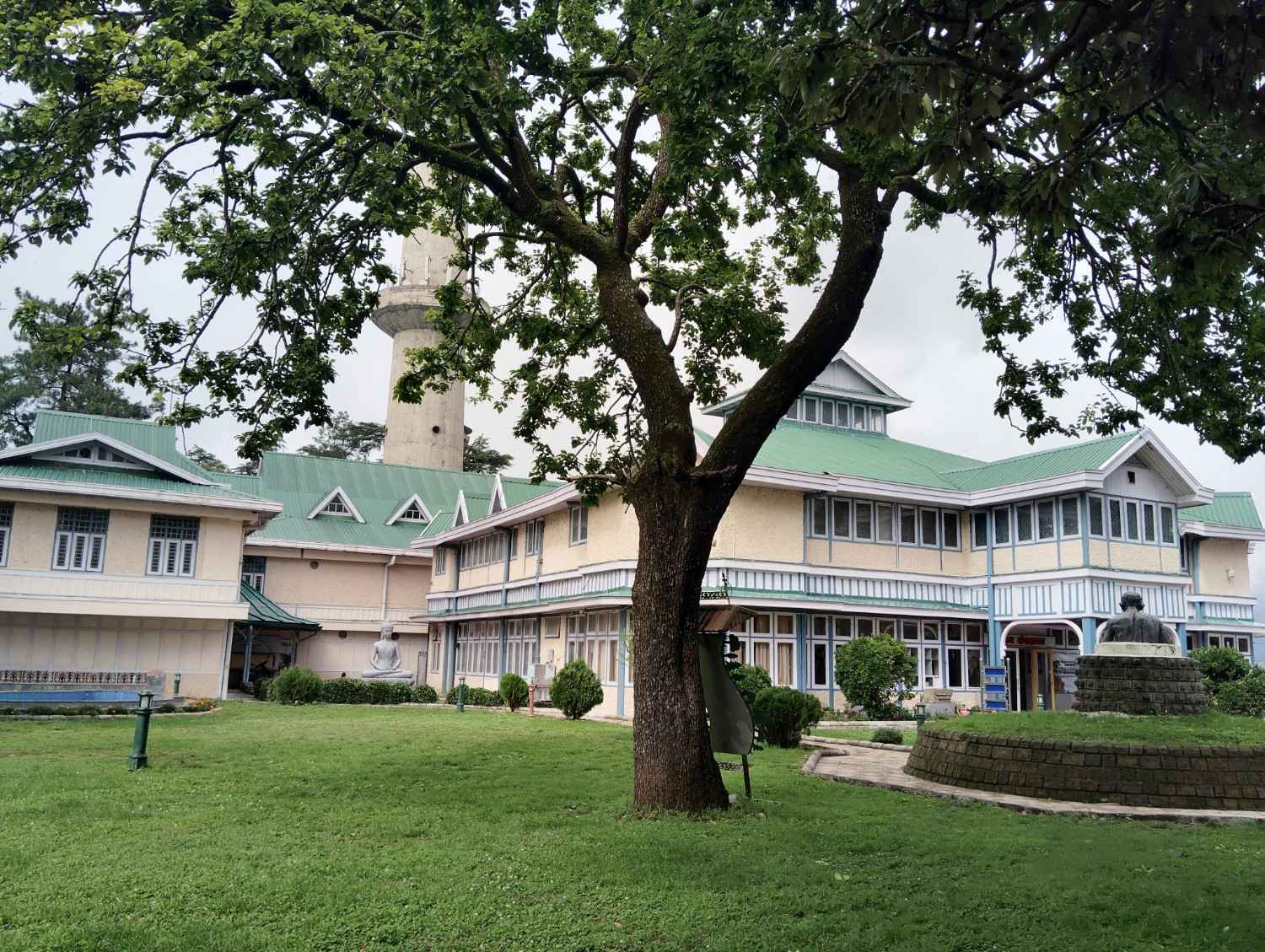
Himachal State Museum Shimla
Himachal State Museum Shimla: A Journey into Himachal's Heritage Himachal State Museum Shimla is a cultural attraction in Chaura Maidan that offers visitors a closer look at the art, history and traditions of Himachal Pradesh. Housed in the historic Inverarm mansion, the museum brings together collections of Pahari paintings, sculptures, archaeological objects, coins, manuscripts and traditional artefacts. Established in 1974, the museum is a worthwhile stop for travellers interested in Himalayan culture and the artistic heritage of northern India. Its collections help visitors understand the region's historical connections, traditional craftsmanship and changing artistic styles. Located away from the busiest part of central Shimla, the museum can be included in a heritage-focused sightseeing itinerary. Whether you enjoy history, painting, architecture or cultural exploration, Himachal State Museum offers a different experience from Shimla's popular viewpoints and shopping streets.
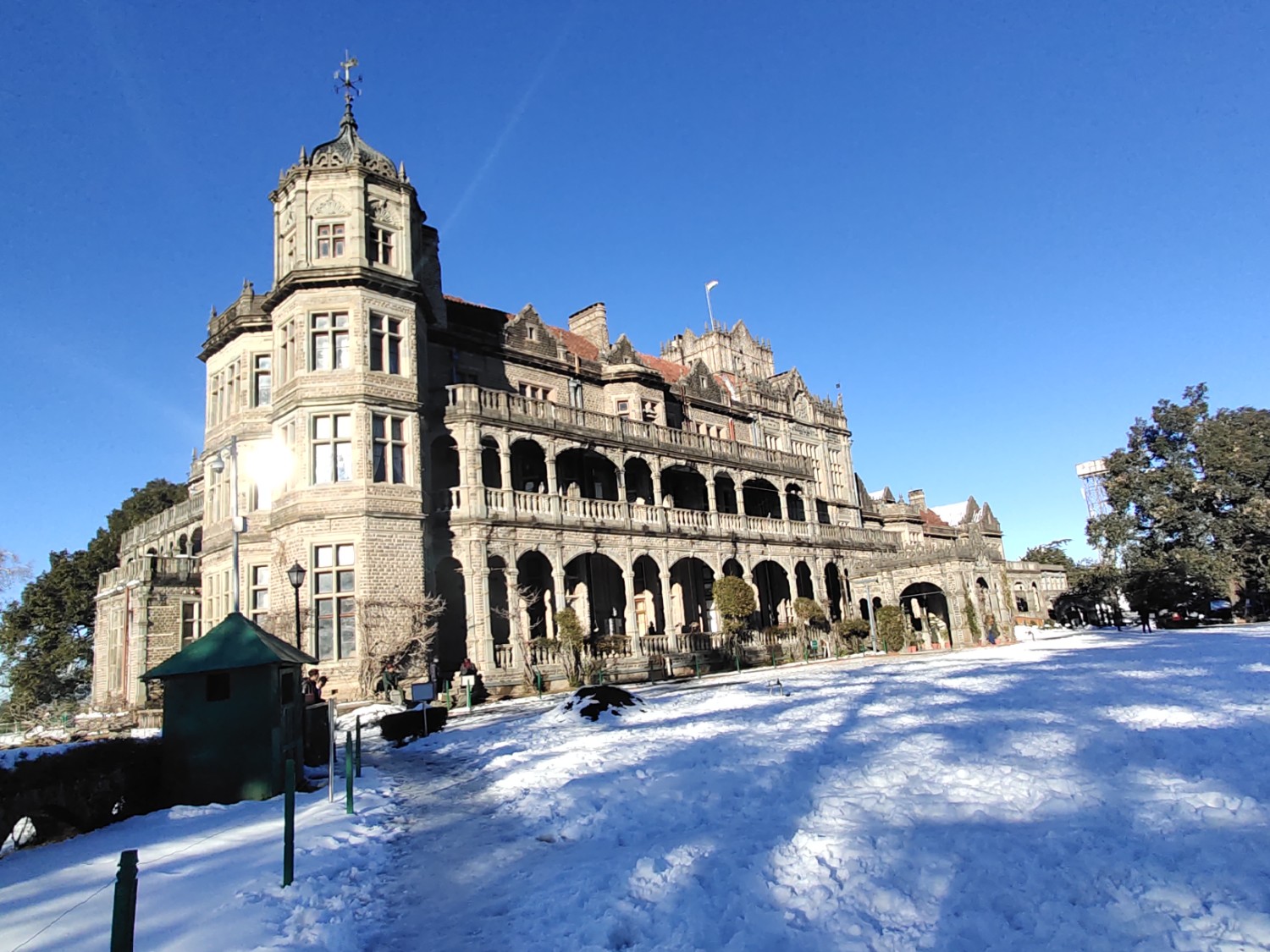
Viceregal Lodge Shimla: Timings, Entry Fee & History
Viceregal Lodge Shimla, now home to the Indian Institute of Advanced Study (IIAS), is one of the city’s most remarkable historic buildings. Located on Observatory Hill, this grand heritage structure was completed in 1888 during the tenure of Lord Dufferin, the Viceroy of India. Its impressive stone architecture, landscaped grounds and connection with important events in India’s freedom movement make it a popular attraction for history and architecture enthusiasts. Visitors can explore selected parts of the building through guided tours, learn about the historic Simla Conference of 1945, and enjoy the surrounding gardens. Before visiting, check the latest opening schedule and ticket rates, as public access is subject to the institute’s rules.
FAQs
Common questions about Shimla
The Ridge, Mall Road, Christ Church, Jakhu Temple, Viceregal Lodge, State Museum and Summer Hill are the main sights. Kufri, Mashobra and Naldehra are popular additions nearby, and each of them can be done as an easy day trip.
March to June is best for pleasant weather and easy sightseeing, and December to February is best for snow. October and November are ideal if you want clear skies and mountain views, while the monsoon is quieter but needs extra caution on the roads.
Snowfall usually happens from late December to February, with January often being the most likely month. It changes every year and cannot be guaranteed on a specific date, so check the forecast before you travel and keep your plans flexible.
Two to three days cover the city and one nearby trip comfortably. Add another day if you want to include Narkanda or if you prefer a slower pace with time to rest.
Shimla is about 115 km from Chandigarh, which takes 3 to 4 hours, and about 350 km from Delhi, which takes 7 to 8 hours depending on traffic and stops.
You can drive via Chandigarh in about 7 to 8 hours, or take a train to Kalka and continue by the heritage narrow-gauge line or by road. The train and road combination is a good option if you do not want to drive the full distance.
Use the India Meteorological Department forecast and read the hourly values, because the weather in the hills can change within an hour. For Kufri or Narkanda, check their forecasts separately since they are colder than the city.
Jakhu Temple, Tara Devi Temple, Sankat Mochan Temple and Kali Bari Temple are the best known. Jakhu is the most visited and offers wide views, while Tara Devi and Sankat Mochan are calmer and better for a peaceful visit.