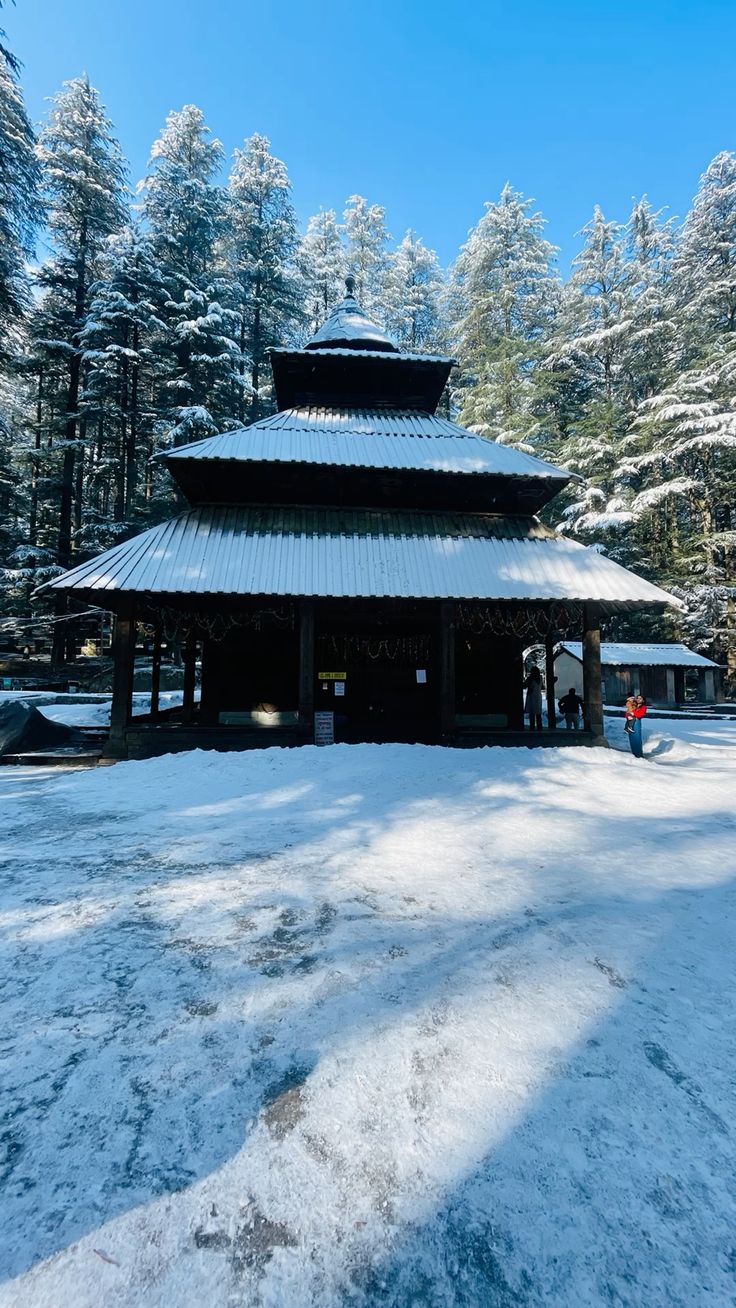
Hadimba Devi Temple Manali: History, Timings & Guide
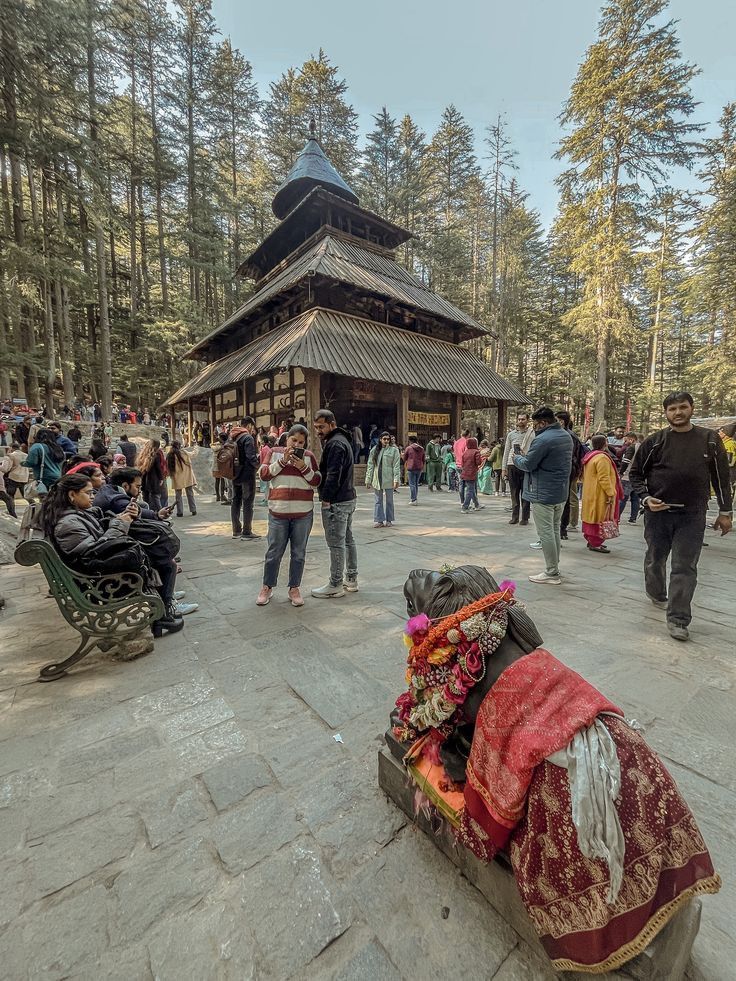
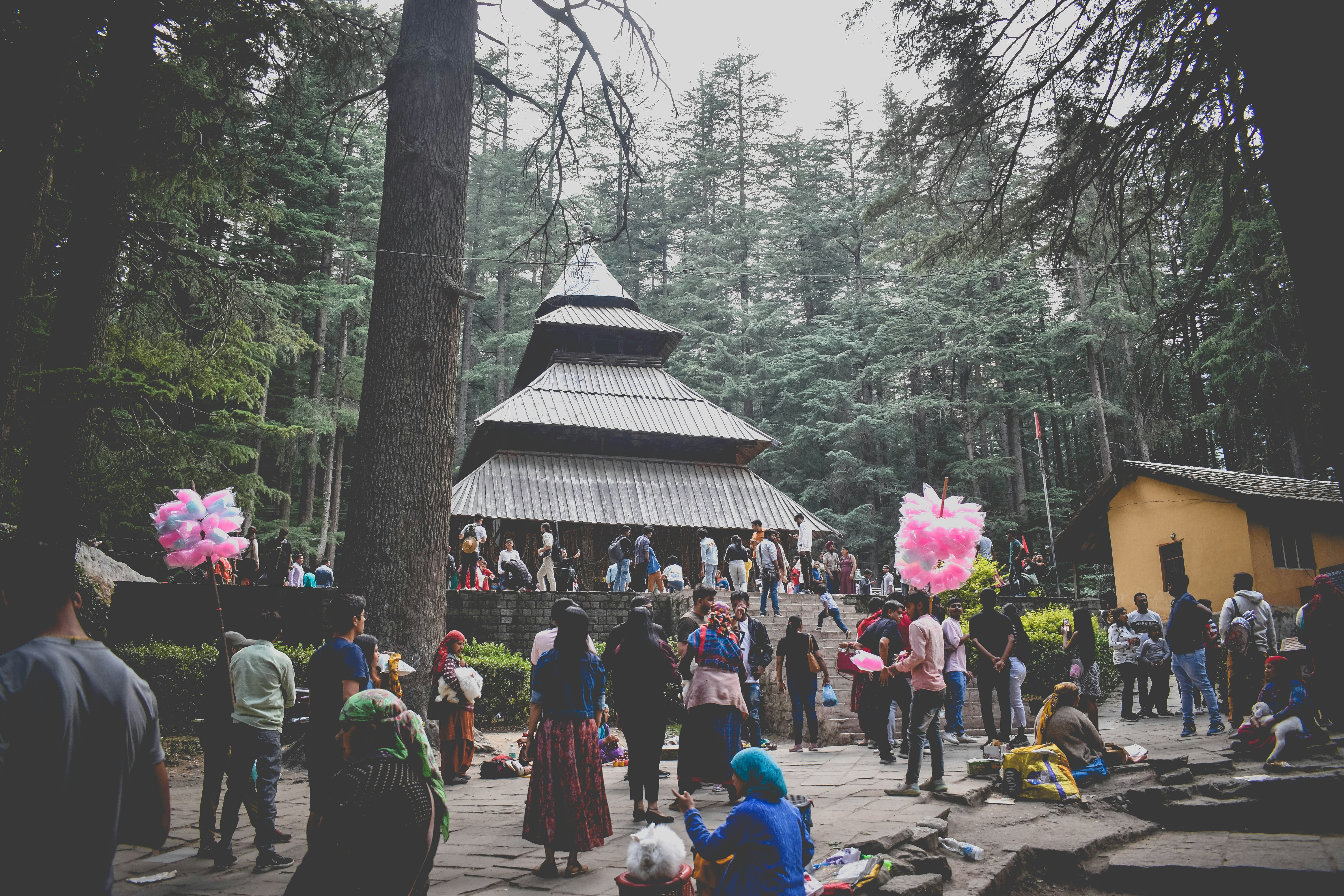
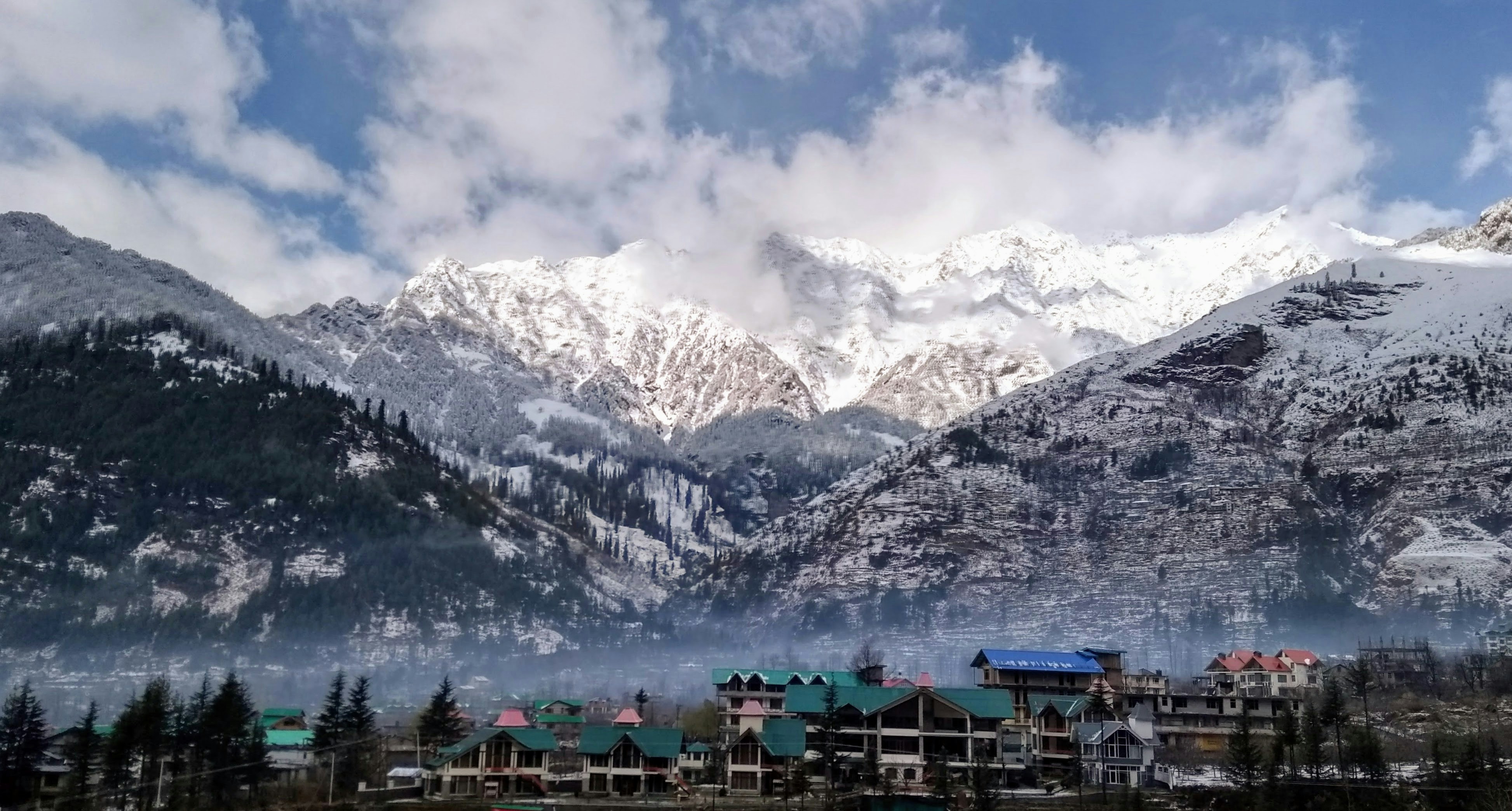
About Hadimba Devi Temple Manali: History, Timings & Guide
Hadimba Devi Temple, Manali – History, Architecture, Timings and Travel Guide
Hadimba Devi Temple, also known as Dhungri Temple or Hidimba Devi Temple, is one of the most famous religious and historical attractions in Manali, Himachal Pradesh. Dedicated to Goddess Hadimba, the temple is situated in a peaceful deodar forest in the Dhungri area, surrounded by tall cedar trees and the natural beauty of the Kullu Valley.
The temple is closely associated with the Mahabharata and the story of Bhima and Hadimba. Its distinctive wooden pagoda-style architecture, beautifully carved entrance and spiritual atmosphere make it an important destination for pilgrims, history enthusiasts and tourists visiting Manali.
Unlike many modern temples, Hadimba Devi Temple is built around a natural rock formation that is worshipped as part of the sacred shrine. The temple also has a special place in the religious traditions of the Kullu Valley and plays an important role in local festivals, including Kullu Dussehra.
Details & Guide
Where Is Hadimba Devi Temple Located?
Hadimba Devi Temple is located in the Dhungri area of Manali, in Kullu district of Himachal Pradesh. It is surrounded by a dense forest of deodar trees and lies within the main Manali sightseeing area.
The temple is accessible from central Manali by road and on foot. Visitors often combine their visit with nearby attractions such as the Museum of Himachal Culture and Folk Art, Old Manali and Mall Road.
History of Hadimba Devi Temple
Hadimba Devi Temple has a long history connected with the religious traditions of the Kullu Valley. According to the Mahabharata, Hadimba was the sister of Hidimb, a powerful figure associated with the forest region. During the Pandavas' exile, Bhima encountered Hadimba, and the two later became associated through marriage. Their son was Ghatotkacha, who is also remembered in local religious traditions.
Over time, Hadimba came to be worshipped as a goddess and became an important presiding deity of the Manali region.
The present temple structure is traditionally attributed to Raja Bahadur Singh of Kullu. Most popular historical and tourism references mention 1553 AD as the year of its construction.
However, a scholarly study published in 2024 by Laxman S. Thakur examined the temple's Takri inscription and proposed revising the date to 1551 AD. The study associates the completion and consecration of the present structure with the reign of Raja Bahadur Singh.
The temple is therefore an important example of the region's religious heritage as well as its traditional craftsmanship.
Religious Significance of Hadimba Devi Temple
Hadimba Devi is worshipped as a powerful local goddess and is considered the presiding deity of the Manali region. Her temple holds an important position in the religious and cultural life of the Kullu Valley.
According to the Mahabharata tradition, Hadimba was the wife of Bhima and the mother of Ghatotkacha. Local beliefs also connect her with the history and protection of the Kullu region.
The goddess is especially important during traditional festivals and religious gatherings. Her presence in Kullu Dussehra is significant: according to the local festival tradition, the celebrations begin after Devi Hidimba arrives in Kullu from Manali.
For many local residents, the temple is not simply a tourist attraction but an important centre of faith, tradition and community identity.
Architecture of Hadimba Devi Temple
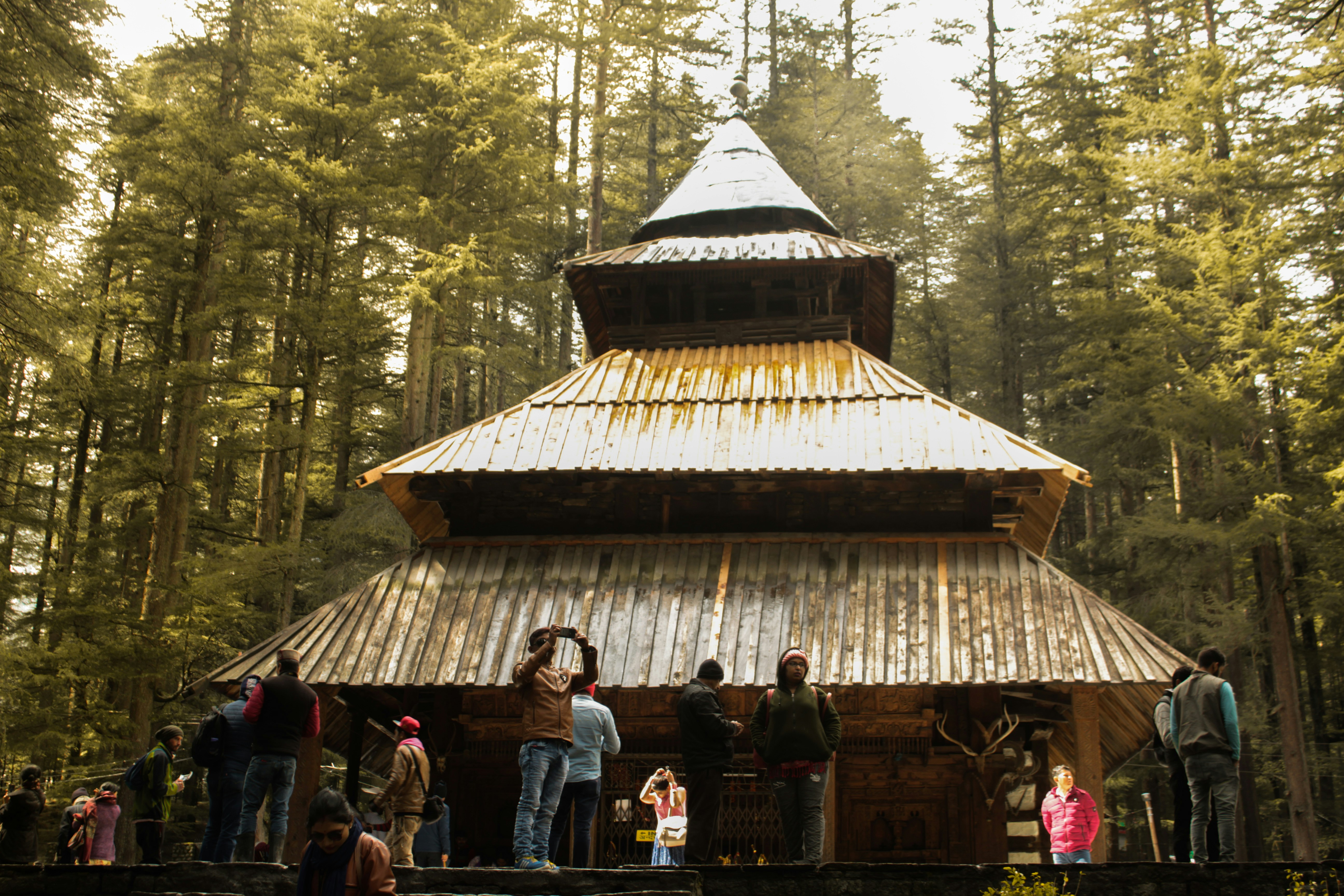
One of the most distinctive features of Hadimba Devi Temple is its traditional wooden pagoda-style architecture. Unlike conventional stone temples, its design uses timber, stone and carefully crafted wooden elements.
The structure stands on a strong stone foundation and is surrounded by tall deodar trees. Its multi-level roof rises above the forest canopy, giving the temple a distinctive appearance.
Important architectural features include:
-
Pagoda-style roof: The temple has three square wooden roof levels topped by a distinctive upper brass roof element.
-
Wooden carvings: The entrance features detailed carvings of mythological figures, animals, floral patterns and religious symbols.
-
Stone foundation: The lower part of the temple is built over a strong stone base.
-
Traditional craftsmanship: The wooden construction reflects the architectural traditions of the Kullu region.
-
Natural surroundings: The tall deodar forest creates a peaceful setting around the temple.
The temple is an excellent example of the traditional wooden architecture found in Himachal Pradesh.
What Is Inside Hadimba Devi Temple?
The inner shrine is different from many conventional Hindu temples. It is associated with a natural rock formation that is worshipped as the sacred presence of the goddess.
The sanctum is described in official visitor information as a cave shrine. A footprint associated with Goddess Hadimba is worshipped there, along with a small brass representation of the goddess.
Visitors should remember that this is an active place of worship. Photography and visitor access may be restricted in certain areas, so it is important to follow the instructions displayed at the temple.
Hadimba Devi Temple Timings
The published visitor timings for Hadimba Devi Temple are:
-
Opening time: 8:00 AM
-
Closing time: 6:00 PM
Timings may change on special religious occasions, festivals or due to local arrangements. Visitors should confirm the current schedule before travelling.
Best Time to Visit Hadimba Devi Temple
Hadimba Devi Temple can be visited throughout the year, but the experience changes with the seasons.
March to June
This is a popular period to visit Manali because the weather is generally pleasant for sightseeing. The forest surroundings are attractive, and visitors can comfortably explore the temple and nearby attractions.
July to September
The monsoon season brings rainfall to the Manali region. The deodar forest looks lush, but paths can become slippery and travel may be affected by heavy rain or landslides.
Visitors should check weather and road conditions before travelling.
October to November
Autumn is a good period for exploring Manali's temples and natural attractions. The weather becomes cooler, and the forest surroundings offer a different seasonal atmosphere.
December to February
Winter brings cold weather to Manali, and snowfall may occur depending on the season. The temple and surrounding forest can look particularly scenic during snowy conditions, but snowfall is not guaranteed on specific dates.
Festivals Celebrated at Hadimba Devi Temple
Hadimba Devi Temple is closely connected with the traditional festivals of the Kullu Valley.
Dhungri Mela
Dhungri Mela is associated with the temple and attracts devotees and visitors. It reflects the religious and cultural importance of Devi Hadimba in the local community.
The festival programme and dates should be checked locally because celebrations follow traditional calendars.
Kullu Dussehra
Devi Hadimba has an important role in Kullu Dussehra. The official festival tradition recognises her arrival from Manali as an important part of the beginning of the celebrations.
The goddess is carried in a traditional procession, reflecting the close relationship between local deities and the cultural identity of Kullu Valley.
Places to Visit Near Hadimba Devi Temple
Visitors can explore several attractions around the Dhungri and Manali town areas.
1. Museum of Himachal Culture and Folk Art
Located near the Hadimba Temple area, this museum introduces visitors to the traditional lifestyle, folk art, costumes, objects and cultural heritage of Himachal Pradesh.
2. Old Manali
Old Manali is known for its traditional village atmosphere, narrow lanes, cafés and mountain surroundings. It is also home to Manu Temple, another important religious attraction.
3. Manu Temple
Manu Temple is located in Old Manali and is dedicated to Rishi Manu. It is known for its traditional architecture and religious association with the region.
4. Mall Road
Mall Road is the main shopping and activity area of Manali. Visitors can explore local markets, handicrafts, woollen products, restaurants and cafés.
5. Van Vihar
Van Vihar is a green public park near Mall Road, popular for its walking paths and tall trees. It is a convenient place for visitors looking for a relaxed outdoor break.
How to Reach Hadimba Devi Temple
By Road
Manali is connected by road with Kullu, Bhuntar, Mandi, Chandigarh and other major destinations in northern India. Visitors can reach Manali by bus, taxi or private vehicle and continue towards the Dhungri area.
By Air
Bhuntar Airport is the nearest commonly used airport for reaching Manali. From Bhuntar, visitors need road transport to reach Manali and the temple.
Flight availability can be limited and weather-dependent, so check current schedules before planning a journey.
By Train
Manali does not have a railway station. Visitors can travel by train to a suitable railway station such as Chandigarh and continue by road to Manali.
Local Transport
From central Manali, visitors can reach Hadimba Devi Temple by taxi or local transport. Depending on the starting point, it can also be reached on foot.
Travel Tips for Visiting Hadimba Devi Temple
-
Visit during daylight hours and allow enough time to explore the temple and forest surroundings.
-
Wear comfortable walking shoes because the approach includes walking paths.
-
Carry warm clothing during winter and cooler months.
-
Follow temple rules and respect local religious customs.
-
Ask before taking photographs inside restricted areas.
-
Avoid littering in the deodar forest.
-
Keep a safe distance from animals and do not feed them.
-
During festivals, expect larger crowds and possible changes in local access arrangements.
-
Check weather conditions before travelling during the monsoon or winter.
Is Hadimba Devi Temple Worth Visiting?
Yes, Hadimba Devi Temple is one of the most worthwhile attractions in Manali, especially for visitors interested in religious heritage, traditional architecture and Himalayan culture.
Its connection with the Mahabharata, its importance in the Kullu Valley, the wooden pagoda-style structure and the peaceful deodar forest setting make it different from ordinary sightseeing spots.
Whether you are visiting Manali with family, exploring its temples or learning about Himachal Pradesh's cultural heritage, Hadimba Devi Temple deserves a place in your travel itinerary.
FAQs
Common questions about this place
Hadimba Devi Temple is located in the Dhungri area of Manali, Kullu district, Himachal Pradesh. It is surrounded by a deodar forest.
The present temple structure is traditionally attributed to Raja Bahadur Singh of Kullu. Most popular references give its construction date as 1553 AD, while a 2024 epigraphic study proposes 1551 AD.
The temple is famous for its connection with the Mahabharata, its religious importance in the Kullu Valley, traditional wooden pagoda architecture and peaceful forest surroundings.
Published visitor timings are 8:00 AM to 6:00 PM. Timings may change during special occasions, so visitors should confirm locally.
Visitors should check the latest local notice for any applicable entry or activity charges. Do not assume that charges for nearby activities are temple entry fees.
The temple is known for its traditional multi-tiered pagoda-style architecture, wooden construction, detailed carvings and stone foundation.
According to the Mahabharata tradition, Hadimba became the wife of Bhima and the mother of Ghatotkacha. She is worshipped as a goddess in the Manali region.
March to June is popular for comfortable sightseeing. October and November are also good months for visiting, while winter offers a chance to experience snowy surroundings when snowfall occurs.
Nearby attractions include the Museum of Himachal Culture and Folk Art, Old Manali, Manu Temple, Mall Road and Van Vihar.
Yes. Devi Hadimba has an important role in Kullu Dussehra, and her arrival in Kullu from Manali is traditionally associated with the beginning of the festival celebrations.
Need Local Help?
Let our experts help you plan the perfect trip to Hadimba Devi Temple....