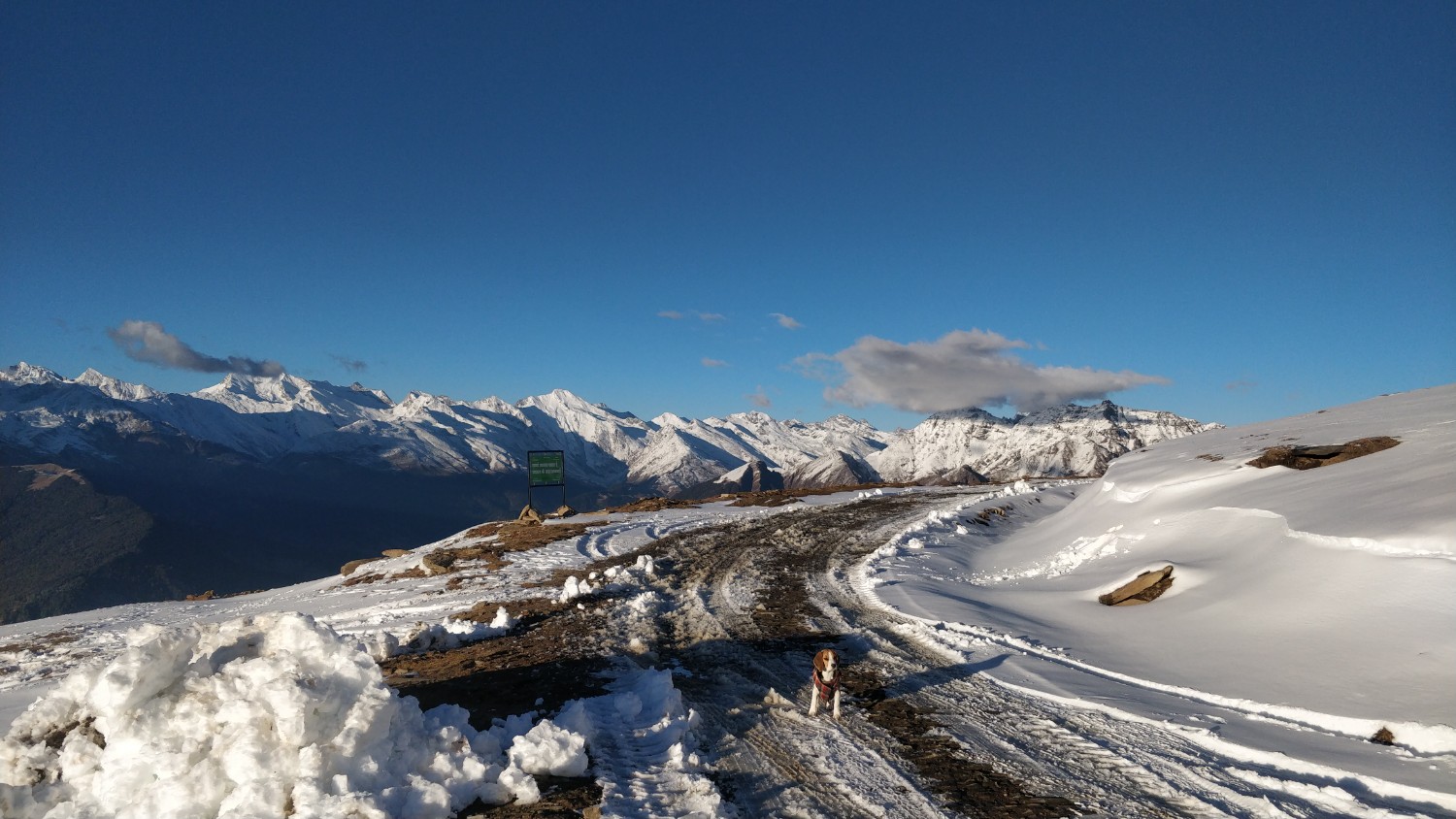
Chanshal Pass, Shimla
About Chanshal Pass, Shimla
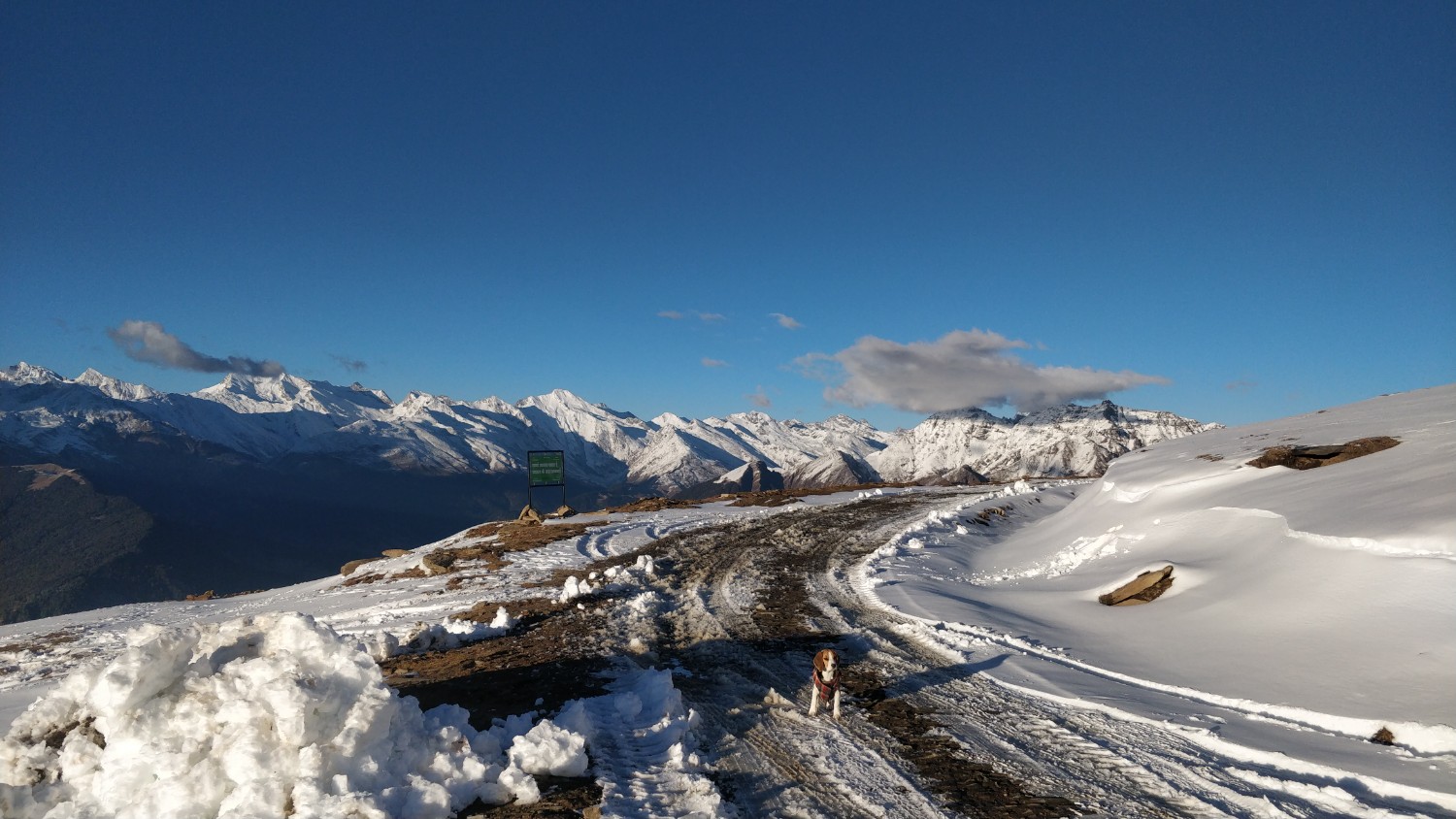
Chanshal Pass is a high-altitude mountain pass in the Rohru region of Shimla district, Himachal Pradesh. Located at approximately 3,755 metres above sea level, it connects the Pabbar Valley around Rohru with the remote Dodra Kwar region. Known for its expansive Himalayan views, forested slopes, alpine meadows and seasonal snowfall, Chanshal Pass is a destination for nature lovers, road-trip enthusiasts and trekkers. The pass is around 160 km from Shimla by road, but travel time depends heavily on road conditions. Since heavy snowfall can close the route during winter, visitors should confirm current accessibility before planning their journey.
Details & Guide
Chanshal Pass, Himachal Pradesh: A Complete Travel Guide
Chanshal Pass is one of the most scenic high-altitude destinations in the Shimla district of Himachal Pradesh. Situated above the Pabbar Valley near Rohru, this mountain pass is known for its sweeping Himalayan landscapes, open mountain slopes, alpine meadows and peaceful surroundings away from busy tourist centres. It also serves as an important road link between the Rohru region and the remote Dodra Kwar valley.
Located at approximately 3,755 metres (12,320 feet) above sea level, Chanshal Pass attracts travellers looking for mountain scenery, photography, trekking and offbeat road trips. The journey passes through villages, forested hills and apple-growing areas before reaching the higher mountain landscape.
However, Chanshal is not a conventional roadside tourist attraction. The final stretch can be rough, weather conditions can change quickly, and the road is seasonally affected by snow. A well-planned visit should include checking road accessibility, carrying warm clothing and allowing sufficient time for the journey.
Chanshal Pass: Quick Overview
-
Location: Near Rohru, Shimla district, Himachal Pradesh, India
-
Altitude: Approximately 3,755 metres (12,320 feet) at the pass
-
Nearby town: Rohru
-
Distance from Shimla: Approximately 160 km by road, depending on the route
-
Main route: Shimla – Theog – Kotkhai – Kharapathar – Hatkoti – Rohru – Larot – Chanshal Pass
-
Landscape: High mountain slopes, meadows, forests and Himalayan views
-
Popular activities: Scenic drives, photography, trekking and nature exploration
-
Best practical season: Generally late spring to autumn, subject to road conditions
-
Winter access: Can be restricted or closed due to heavy snowfall
-
Travel planning: Confirm current road status before departure
Where Is Chanshal Pass Located?
Chanshal Pass is located in the upper Pabbar Valley region of Shimla district, Himachal Pradesh. It lies near Rohru and forms a natural connection between the Pabbar Valley and the remote Dodra Kwar region.
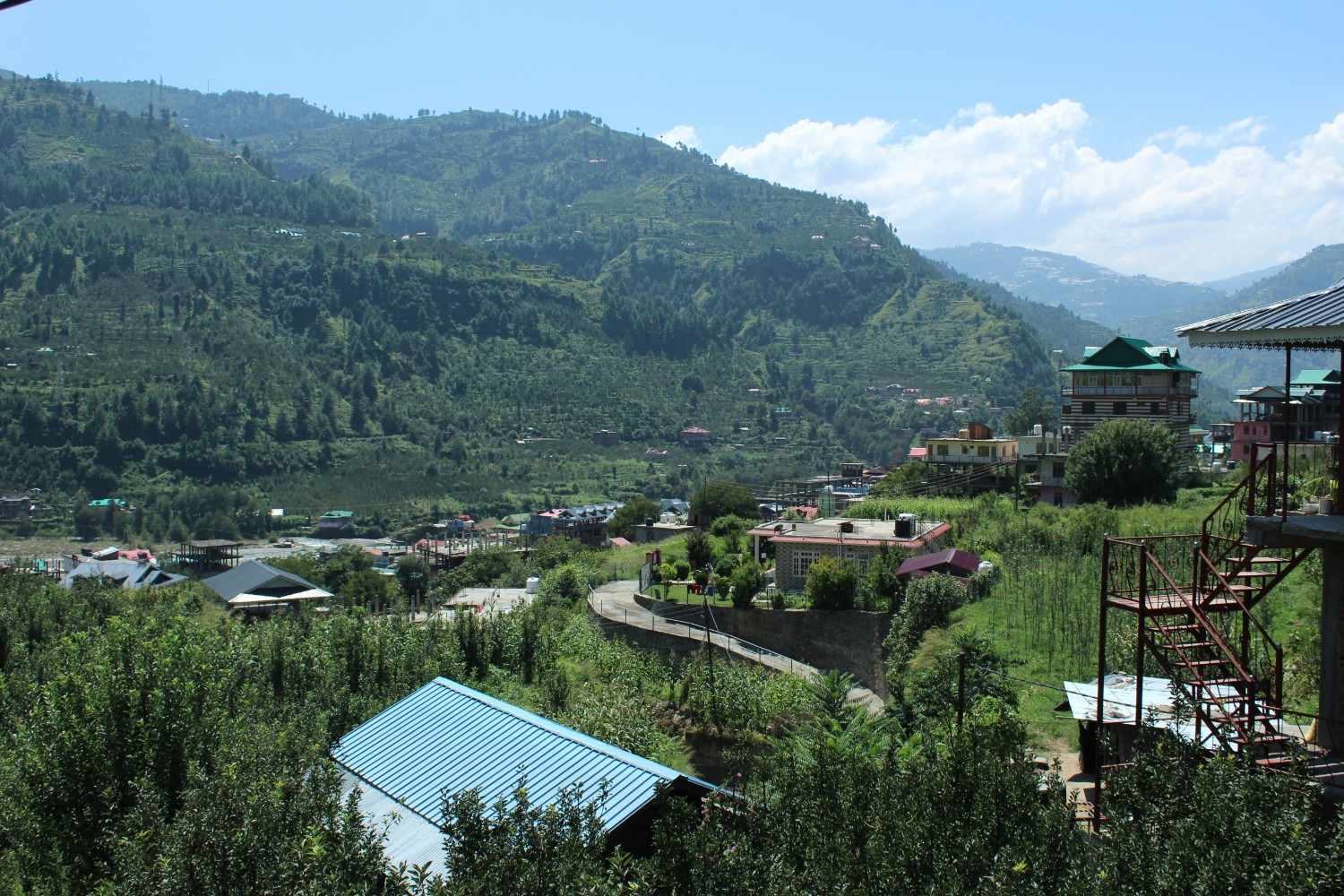
The surrounding landscape is different from the more developed tourist areas around central Shimla. As travellers move towards Rohru and Larot, the scenery transitions through apple orchards, mountain villages, forested slopes and increasingly open high-altitude terrain.
The pass is also associated with Chanshal Peak, a prominent mountain in the region. The peak and the pass are different geographical features, so their elevations should not be confused. The pass itself is approximately 3,755 metres above sea level.
Why Is Chanshal Pass Famous?
1. Panoramic Himalayan Views
Chanshal Pass offers expansive views of the surrounding mountain ranges and valleys. On clear days, the open landscape provides excellent opportunities for landscape photography and enjoying the high-altitude scenery.
Visibility depends on cloud cover, weather and the season. Travellers should not assume that distant mountain views will always be clear.
2. Offbeat Mountain Road Trip
The drive to Chanshal is part of the experience. The route passes through the Theog and Rohru regions, with changing scenery along the way.
The final stretch towards the pass is more challenging than a typical highway journey. Narrow sections, rough surfaces, steep gradients and changing weather can affect driving time.
3. Meadows and High-Altitude Landscapes
The Chanshal region features open slopes and meadow-like areas surrounded by mountains. These landscapes are particularly attractive during the warmer months when snow retreats and vegetation becomes visible.
Visitors should remain on suitable paths and avoid driving or camping on fragile meadow areas.
4. Trekking and Nature Exploration
Chanshal and the wider Pabbar Valley region provide access to trekking opportunities. Some routes involve long distances, steep terrain and high-altitude conditions.
The Chanshal–Saru Tal trekking route is one option listed in Himachal Pradesh's official trekking information. Trek distance, route access and difficulty should be confirmed before setting out. Do not assume that every trail is suitable for beginners or that all routes are open throughout the year.
5. Snow-Covered Winter Scenery
The region receives substantial snowfall during winter, transforming the mountains into a snow-covered landscape. However, snowfall also makes access difficult and may close the road.
Winter scenery should not be confused with guaranteed winter accessibility. Travellers should never attempt to cross a snow-blocked mountain road without confirmation that it is safe and open.
Best Time to Visit Chanshal Pass
The best time to visit Chanshal Pass depends on road accessibility, weather and the kind of experience you want.
Late Spring and Summer
Late spring and summer are generally practical for planning a road trip, provided the pass has opened after winter. Snow may remain in some higher areas, while lower slopes begin to turn green.
Even during summer, temperatures at the pass can be much lower than in Shimla or the plains. Carry warm layers and check the forecast before departure.
Monsoon
The monsoon can bring mist, rain, slippery surfaces, landslides and road disruptions in the surrounding mountains. Although the landscape may look lush, this season requires additional caution.
Check local road advisories and avoid travelling during heavy rainfall or when authorities have issued warnings.
September and October
Early autumn can offer pleasant conditions for mountain scenery and photography. However, temperatures begin to fall, and late-season snowfall or sudden weather changes may affect access.
Check the current forecast and road status rather than relying only on seasonal expectations.
Winter
Winter brings snow and freezing conditions to the Chanshal region. The road is commonly closed or restricted during periods of heavy snowfall, and access can remain difficult until conditions improve.
Winter travel should only be considered when local authorities confirm that the route is open and safe.
How to Reach Chanshal Pass
Chanshal Pass is primarily accessed by road. There is no railway station or commercial airport at the pass itself.
By Road from Shimla
The commonly listed route is:
Shimla → Theog → Kotkhai → Kharapathar → Hatkoti → Rohru → Larot → Chanshal Pass.
The distance is approximately 160 km, although the actual distance varies with the starting point and route selected.
An alternative route runs through Theog, Narkanda and Tikkar before reaching Rohru and continuing towards Larot. This route is longer according to published route descriptions.
Mountain-road travel times can vary considerably. The final stretch may take much longer than its distance suggests because of road conditions, steep sections and weather. Allow sufficient daylight and avoid planning the journey around a fixed arrival time.
By Bus
Travellers can use available bus services to reach Rohru from Shimla and other connected towns. However, public transport availability all the way to the pass may be limited or seasonal.
Check current services, stopping points and onward transport locally. Do not assume that a regular bus will take you directly to the top of the pass.
By Taxi or Private Vehicle
A private vehicle or locally experienced mountain driver can offer greater flexibility. The final approach may be rough, narrow and uneven, so vehicle suitability matters.
A vehicle with adequate ground clearance is generally more practical than a low-clearance car. No vehicle type can guarantee safe access when the road is snow-covered, blocked or otherwise unsafe.
By Train or Air
The nearest practical rail access for this journey is generally through the Kalka–Shimla travel corridor, followed by road travel. Shimla's Jubbarhatti Airport may be an option where suitable flights are operating, but flight availability is limited and must be checked in advance.
From the rail or air arrival point, the remaining journey to Chanshal Pass is by road.
Things to Do at Chanshal Pass
Enjoy the Mountain Scenery
Take time to appreciate the open views and changing Himalayan landscape. Conditions are often best for distant views when visibility is clear, but weather can change rapidly at high altitude.
Photography
Chanshal is suitable for landscape photography, mountain panoramas and seasonal scenery. Carry a camera or phone with sufficient battery, as cold weather can reduce battery performance.
Explore the Surrounding Region
Rohru, Larot and the wider Pabbar Valley can be included in a longer itinerary. Local villages, apple-growing areas and mountain scenery provide opportunities to explore the region beyond the pass itself.
Respect private land, local customs and agricultural areas when stopping for photographs.
Plan a Trek with Appropriate Preparation
If you want to explore trekking routes around Chanshal, confirm the route, distance, difficulty and current access before departure. Carry suitable footwear, food, water, warm clothing and a basic first-aid kit.
For unfamiliar or demanding high-altitude routes, consider an experienced local guide. Do not begin a trek late in the day or continue if weather conditions deteriorate.
Experience Seasonal Landscapes
The region changes throughout the year, from green slopes in warmer months to snow-covered terrain in winter. Choose your travel dates based on accessibility and the activities you intend to undertake.
Places to Explore Near Chanshal Pass
Rohru
Rohru is a useful base for exploring the upper Pabbar Valley and arranging onward transport. It is also known for its apple-growing region and riverside mountain setting.
Larot
Larot is one of the settlements on the approach to Chanshal Pass. It is useful as a reference point when planning the final part of the road journey.
Hatkoti Temple
Hatkoti Temple is an important religious and heritage site in the Pabbar Valley region. It can be considered as a separate stop on an itinerary through Hatkoti and Rohru, depending on your route and available time.
Jubbal
Jubbal is known for its regional heritage and mountain surroundings. Visitors interested in local history and architecture can consider including it in a wider Shimla district trip.
These places are not all immediately beside the pass. Check distances and route conditions before combining them into a single day's itinerary.
Travel Tips for Visiting Chanshal Pass
-
Check road status: Confirm whether the road to the pass is open before leaving Rohru or Larot.
-
Start early: Begin the mountain journey early enough to avoid driving unfamiliar roads after dark.
-
Carry warm clothing: Conditions at approximately 3,755 metres can be cold even when lower areas feel warm.
-
Check the weather: Avoid travel during heavy snowfall, intense rainfall, thunderstorms or official road-closure warnings.
-
Prepare your vehicle: Check tyres, brakes, fuel and ground clearance before starting the final approach.
-
Carry essentials: Keep drinking water, food, medicines, a power bank and a basic first-aid kit with you.
-
Do not rely on mobile connectivity: Network coverage may be unreliable in remote mountain areas. Download essential maps and share your itinerary in advance.
-
Avoid risky driving: Do not drive onto snow, ice or unstable road sections without confirmation that the route is safe.
-
Respect the environment: Carry back all waste and avoid disturbing wildlife, vegetation or local communities.
-
Plan accommodation: Confirm available accommodation in Rohru or nearby settlements before travelling, especially during busy periods.
Is Chanshal Pass Suitable for Families?
Chanshal Pass can be appealing for families who enjoy mountain scenery and long road journeys. However, the high altitude, rough road sections, cold weather and limited facilities make it less convenient than central Shimla's established tourist attractions.
Families travelling with young children, older adults or anyone sensitive to high altitude should plan carefully. Allow breaks, carry warm clothing and avoid rushing the journey.
If the road is unsafe or access has not been confirmed, choose a lower-altitude destination instead.
Responsible Tourism at Chanshal Pass
Chanshal's natural appeal depends on its mountain environment and relatively remote setting. Visitors can help protect the area by avoiding littering, respecting local land and vegetation, keeping noise to a minimum and using established stopping areas wherever possible.
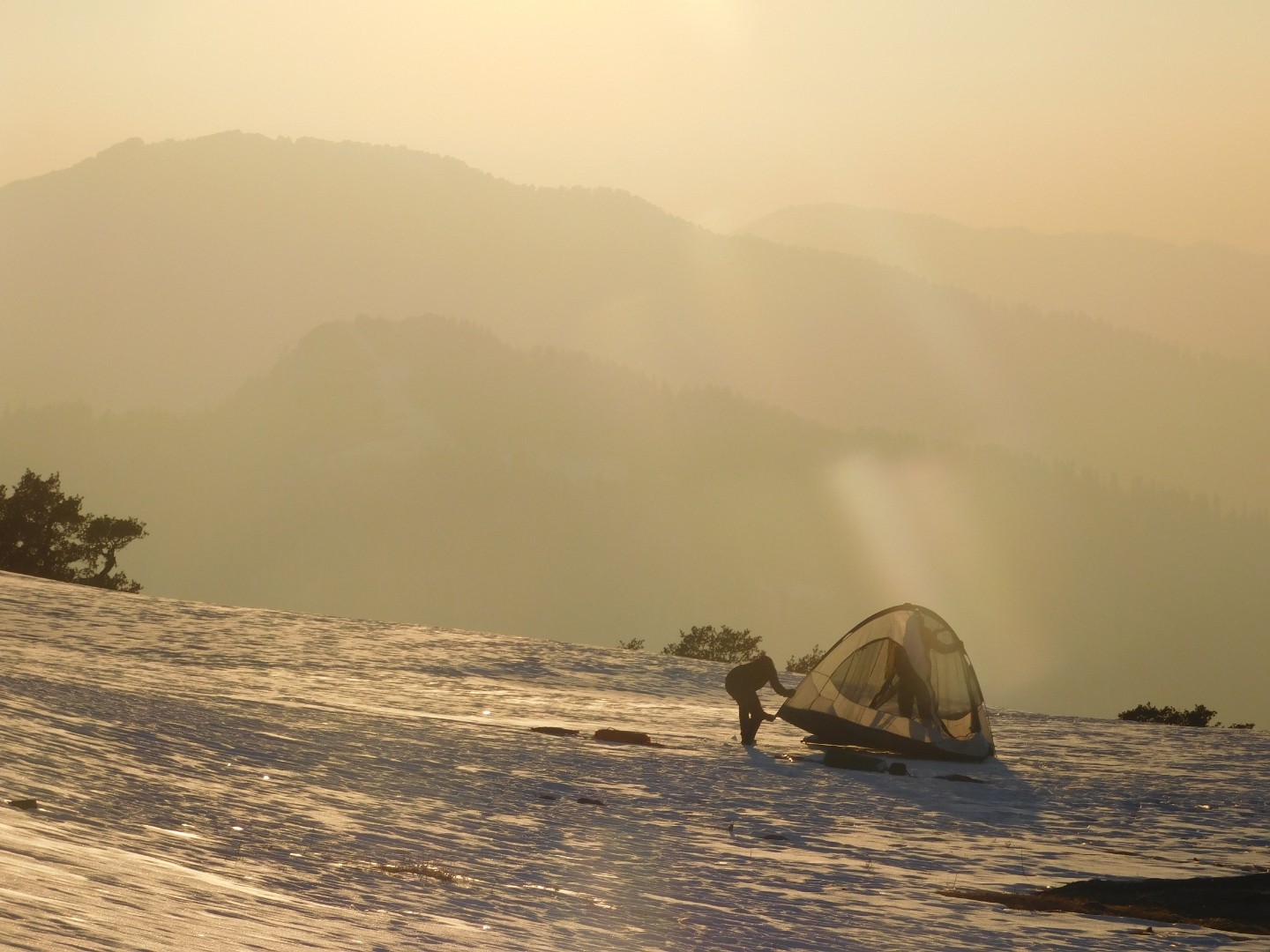
Do not light fires in unauthorised locations or leave plastic, food waste or other rubbish behind. If camping or trekking, confirm whether local permissions or restrictions apply to the specific location.
FAQs
Common questions about this place
Chanshal Pass is located in the Rohru region of Shimla district, Himachal Pradesh. It lies above the Pabbar Valley and connects the Rohru side with the remote Dodra Kwar region.
Chanshal Pass is approximately 3,755 metres (12,320 feet) above sea level. Chanshal Peak is a separate, higher geographical feature in the same region.
Chanshal Pass is approximately 160 km from Shimla by the commonly listed route through Theog, Kotkhai, Kharapathar, Hatkoti, Rohru and Larot. The actual distance depends on your route and starting point.
The drive can take several hours, and around 6–8 hours or more may be needed depending on road conditions, stops and weather. The final mountain stretch can be slow, so avoid relying on a fixed travel-time estimate.
Late spring through autumn is generally the practical season to consider, provided the road is open. Weather and access can vary each year, so confirm local conditions before travelling.
The road is commonly closed or restricted during winter because of heavy snowfall. Do not assume that the pass is accessible in winter; check current road status with local authorities before planning a trip.
The route can be challenging because of narrow and rough mountain-road sections. A suitable vehicle and an experienced mountain driver are advisable. Do not attempt the route when snow, ice or road damage makes it unsafe.
Yes, trekking opportunities exist in the wider Chanshal and Pabbar Valley region, including routes associated with Saru Tal. Confirm current trail access, difficulty, weather and any applicable permissions before starting.
Facilities at the pass itself are limited and should not be assumed to be available. Rohru is a more practical base for arranging accommodation, food and onward travel. Confirm local options before departure.
It can be visited by first-time travellers when road access and weather are favourable, but it is not a typical easy-access tourist stop. High altitude, rough roads, limited facilities and changing weather require preparation. If conditions are unsafe, postpone the trip rather than taking unnecessary risks.
Need Local Help?
Let our experts help you plan the perfect trip to Chanshal Pass, Shiml....