Hatkoti Temple
About Hatkoti Temple
Hatkoti Temple, also known as Hateshwari Mata Temple, is a famous Hindu pilgrimage site in the Pabbar Valley near Rohru in Shimla district, Himachal Pradesh. Dedicated primarily to Goddess Durga, the temple complex is known for its traditional stone architecture, religious significance and peaceful setting beside the Pabbar River. The temple is an important stop for devotees exploring the Rohru region and travellers interested in Himachal Pradesh’s heritage, local traditions and scenic mountain landscapes. Visitors can learn about the temple’s history, explore its surrounding shrines and plan a trip from Shimla or Rohru.
Details & Guide
Hatkoti Temple, Himachal Pradesh
Hatkoti Temple is one of the notable religious and heritage destinations in the Pabbar Valley of Shimla district, Himachal Pradesh. Also known as Hateshwari Mata Temple, it is located in Hatkoti village near Rohru and attracts devotees, heritage enthusiasts and travellers exploring the quieter side of the Shimla region.
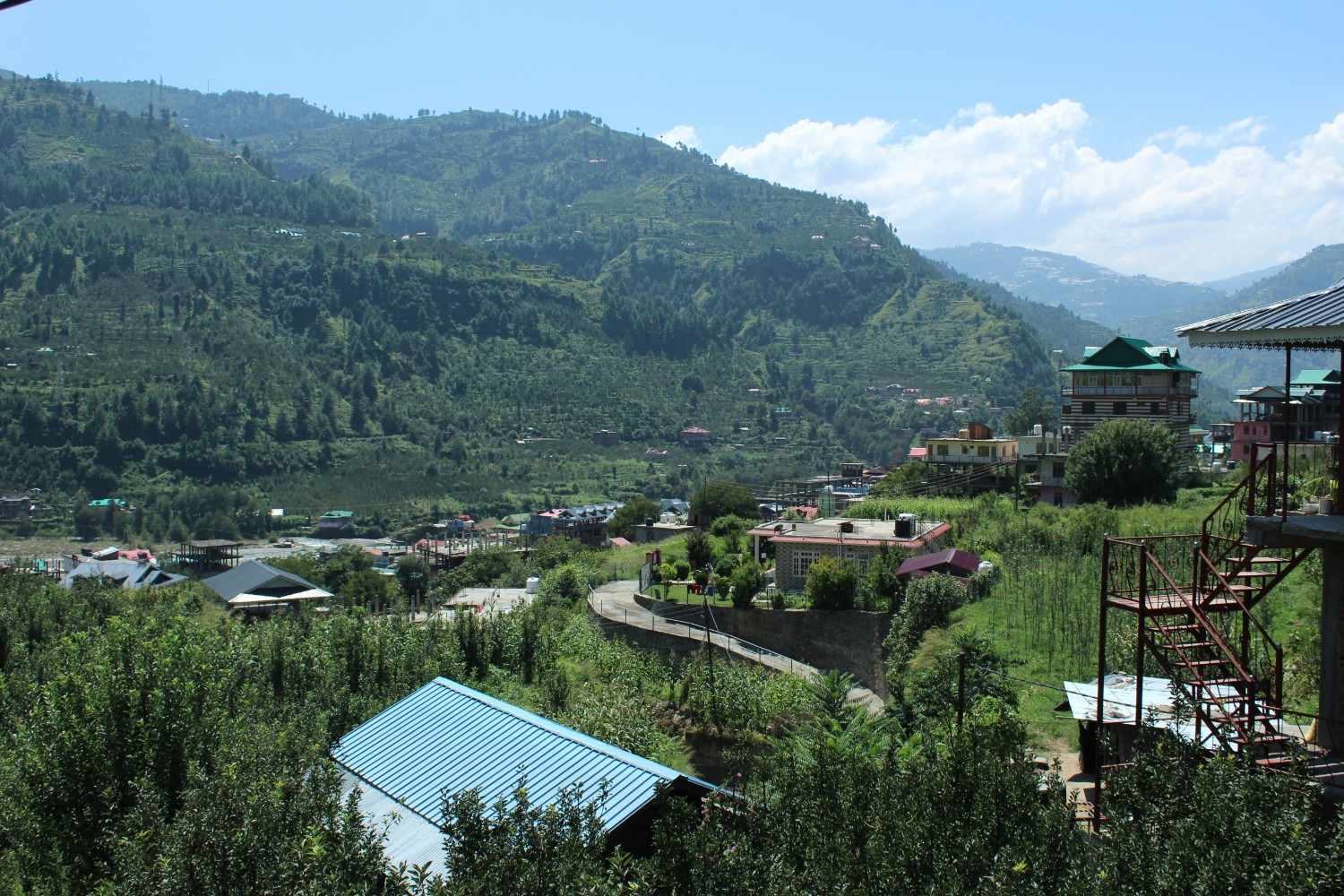
The temple is particularly known for its association with Goddess Durga, traditional stone temple architecture and setting beside the Pabbar River. Unlike the busy attractions of central Shimla, Hatkoti offers visitors an opportunity to experience a more peaceful religious site surrounded by mountain scenery, agricultural fields and the natural landscape of the valley.
Religious Significance of Hatkoti Temple
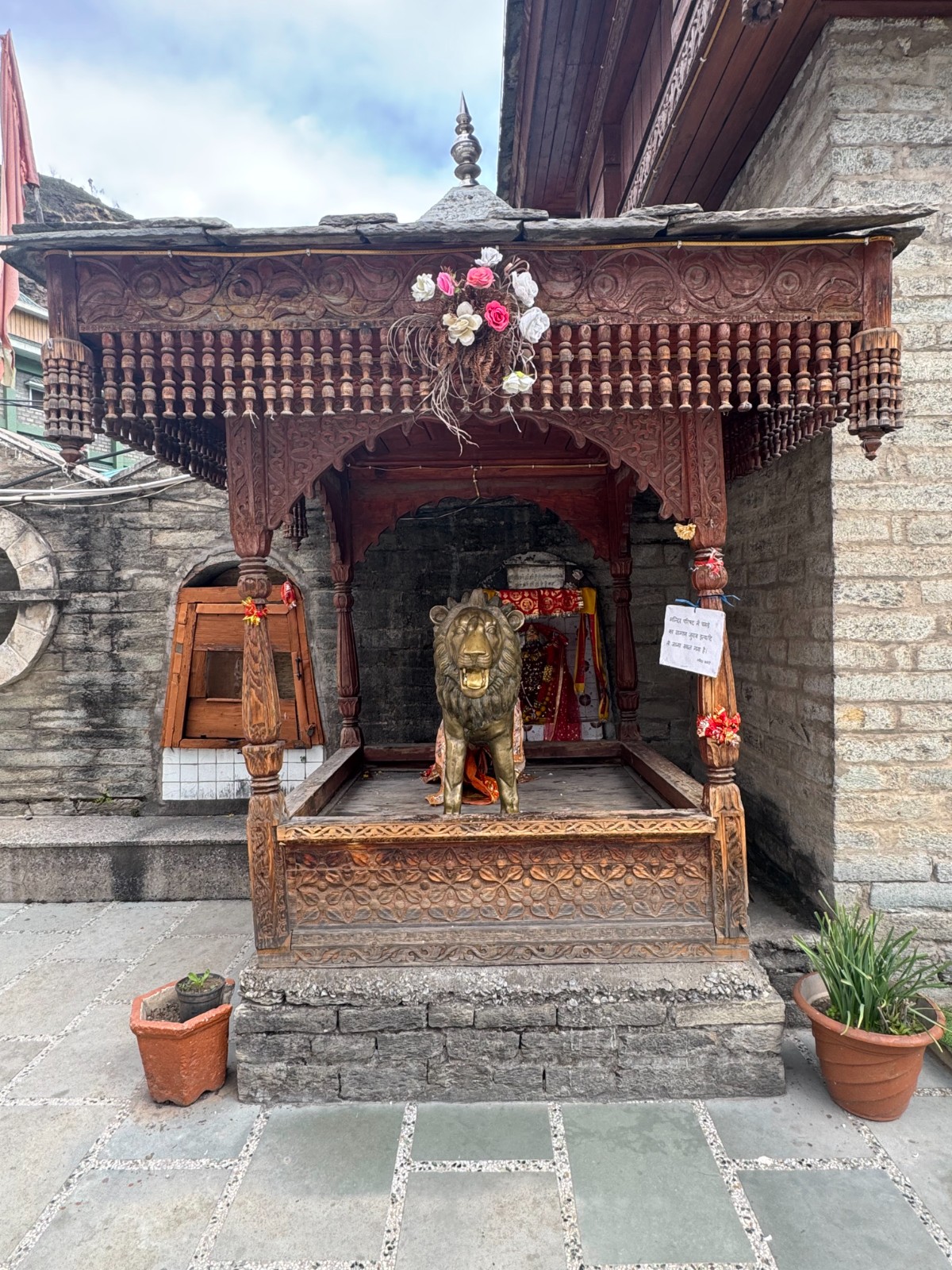
Hatkoti Temple is primarily associated with Goddess Durga, worshipped here as Hateshwari Mata. The temple complex also includes a shrine dedicated to Lord Shiva, making it an important religious place for devotees visiting the Pabbar Valley.
Local traditions and legends form an important part of the temple's identity. The site has long been associated with faith and worship in the surrounding region. Visitors interested in its religious background can learn more from local residents and temple priests, particularly during festivals and special occasions.
The temple is also known for a distinctive metal vessel, traditionally referred to as a charu, associated with the goddess's shrine. Its religious meaning is part of the temple's local tradition.
History and Architecture of Hatkoti Temple
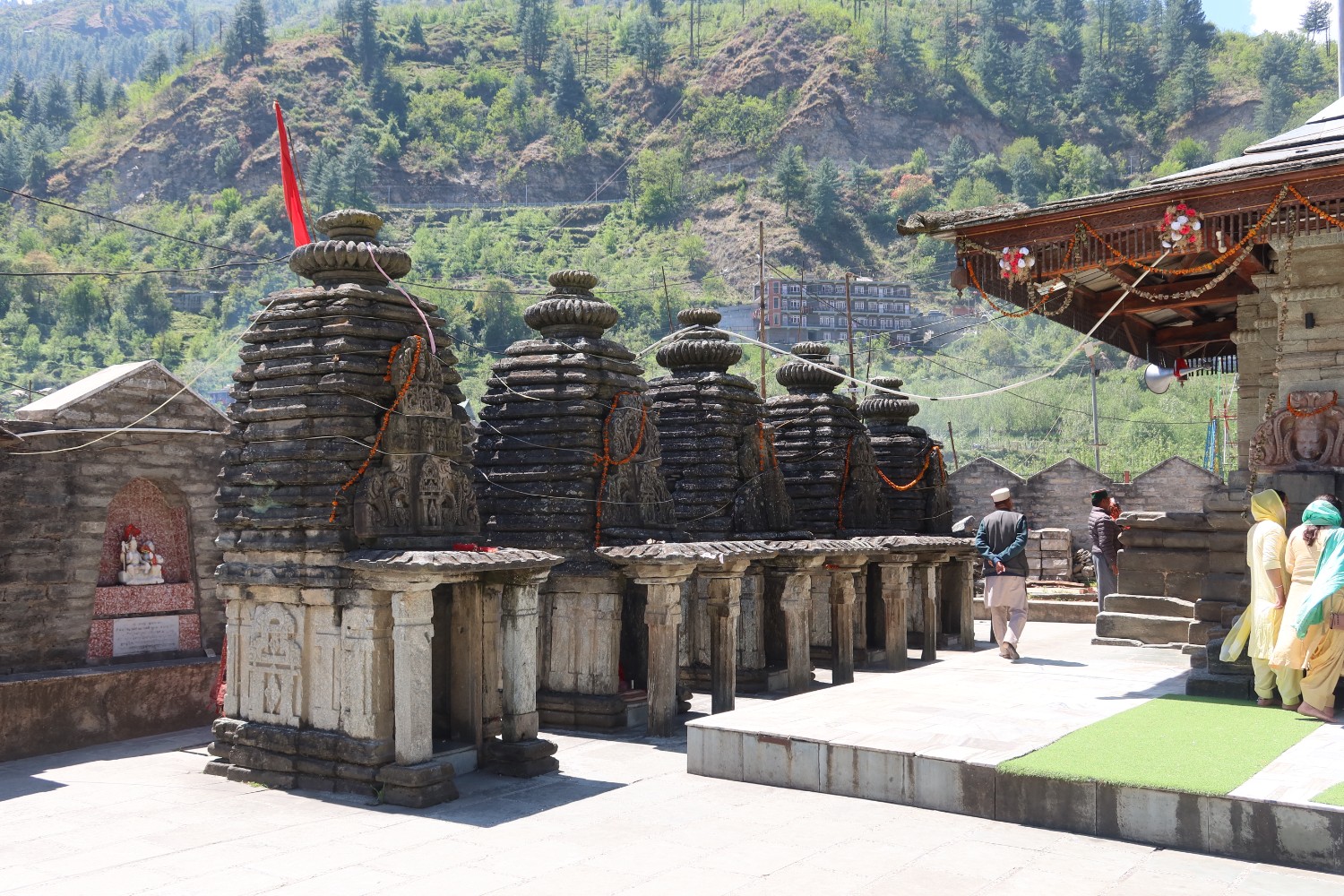
One of the most interesting features of Hatkoti Temple is its traditional stone architecture. The main temple and surrounding shrines reflect the historic temple-building traditions found in parts of Himachal Pradesh.
The complex is notable for its tower-style temple structure, stonework and sculptural details. These features make it relevant not only to religious visitors but also to travellers interested in regional architecture and cultural heritage.
The temple's precise construction chronology should be treated cautiously because dates can vary between historical accounts. Visitors interested in the site's history can explore the architecture in person and seek additional context from reliable local or heritage sources.
What Can You See at Hatkoti Temple?
A visit to Hatkoti Temple can include several experiences:
-
Hateshwari Mata shrine: The principal focus for devotees visiting the temple.
-
Lord Shiva shrine: Another important religious structure within the temple complex.
-
Traditional stone architecture: Observe the temple's tower-like form, stone construction and architectural details.
-
Religious surroundings: Experience the atmosphere of a functioning place of worship and follow local customs.
-
Pabbar Valley scenery: Enjoy views of the surrounding countryside and river landscape where accessible.
Visitors should remember that the temple is a place of worship. Respect prayer activities, follow instructions from temple staff or priests, and ask before photographing people or restricted areas.
Where Is Hatkoti Temple Located?
Hatkoti Temple is situated in Hatkoti village in the Pabbar Valley, within Shimla district, Himachal Pradesh. It lies on the route connecting the Shimla region with Rohru.
The temple is approximately 100 km from Shimla by road, although the actual distance and travel time depend on the starting point and route. The road journey typically takes several hours, so travellers should allow extra time for hill-road conditions, traffic and weather.
The temple's riverside setting and surrounding countryside make it a worthwhile cultural stop for visitors exploring Rohru and nearby parts of the Pabbar Valley.
Best Time to Visit Hatkoti Temple
The best time to visit Hatkoti Temple depends on whether your priority is comfortable road travel, mountain scenery or religious observances.
Spring and summer: These seasons can be pleasant for exploring the temple and surrounding valley. Check local weather and road conditions before starting your journey.
Monsoon: Heavy rain can affect hill roads and may cause delays or temporary travel disruptions. Check local conditions before departure and avoid travelling through unsafe stretches.
Autumn: Clearer weather can offer good conditions for sightseeing, although temperatures may fall, particularly in the morning and evening.
Winter: The temple may still be accessible, but cold weather and changing road conditions can affect the journey. Confirm conditions locally before travelling.
Navratri is an important period for worship dedicated to Goddess Durga and may be a meaningful time for devotees to visit. However, specific temple programmes, fair dates and arrangements should be confirmed locally rather than assumed.
Hatkoti Temple Timings and Entry Information
Hatkoti Temple is a place of worship, but a current, reliable official schedule for daily opening and closing hours could not be verified for this guide. If you are planning an early-morning visit, arriving late in the evening or travelling specifically for a religious ceremony, confirm the timings with local temple authorities before setting out.
A current official entry-fee schedule was also not verified. Do not assume that special rituals, offerings or ceremonies are included in any general visitor arrangements.
During festivals or busy religious periods, allow additional time for parking, walking around the complex and participating in worship.
How to Reach Hatkoti Temple
By Road
Road travel is the most practical way to reach Hatkoti Temple. From Shimla, travellers can follow the road towards Theog and continue along the route towards Hatkoti and Rohru. The road distance is approximately 100 km from Shimla, but journey time depends on traffic, roadworks and weather.
From Rohru, Hatkoti can be visited by local taxi or other available road transport. Confirm the return transport arrangement in advance if you are not travelling in your own vehicle.
By Bus
Buses operate on routes connecting Shimla and Rohru, and Hatkoti is served along this corridor. Services and stopping arrangements may vary, so check the latest timetable and confirm with the operator whether the bus stops at Hatkoti.
By Train
Shimla is the nearest practical rail connection for travellers using the Shimla railway route. From Shimla, continue by road towards Hatkoti. Train services and onward road connections should be checked when planning the trip.
By Air
Jubbarhatti Airport near Shimla is one possible air connection for the region, subject to flight availability. Air travellers will need onward road transport to reach Hatkoti. Depending on flight schedules, other airports may be more practical, so compare available routes before booking.
Places to Visit Near Hatkoti Temple
Hatkoti can be included in a wider trip through the Rohru region and Pabbar Valley. Depending on your available time and road conditions, consider these nearby destinations:
Rohru: A useful base for exploring the Pabbar Valley, arranging local transport and finding accommodation or food.
Pabbar River and Valley: The surrounding river landscape and countryside offer opportunities to appreciate the natural setting. Access to riverbanks may vary, so use safe, permitted viewpoints.
Jubbal: A historic town in the wider region that can be considered as part of a cultural road trip. Check local access before visiting individual heritage properties.
Chirgaon: A settlement in the Pabbar Valley that travellers may include when exploring the Rohru side of Shimla district.
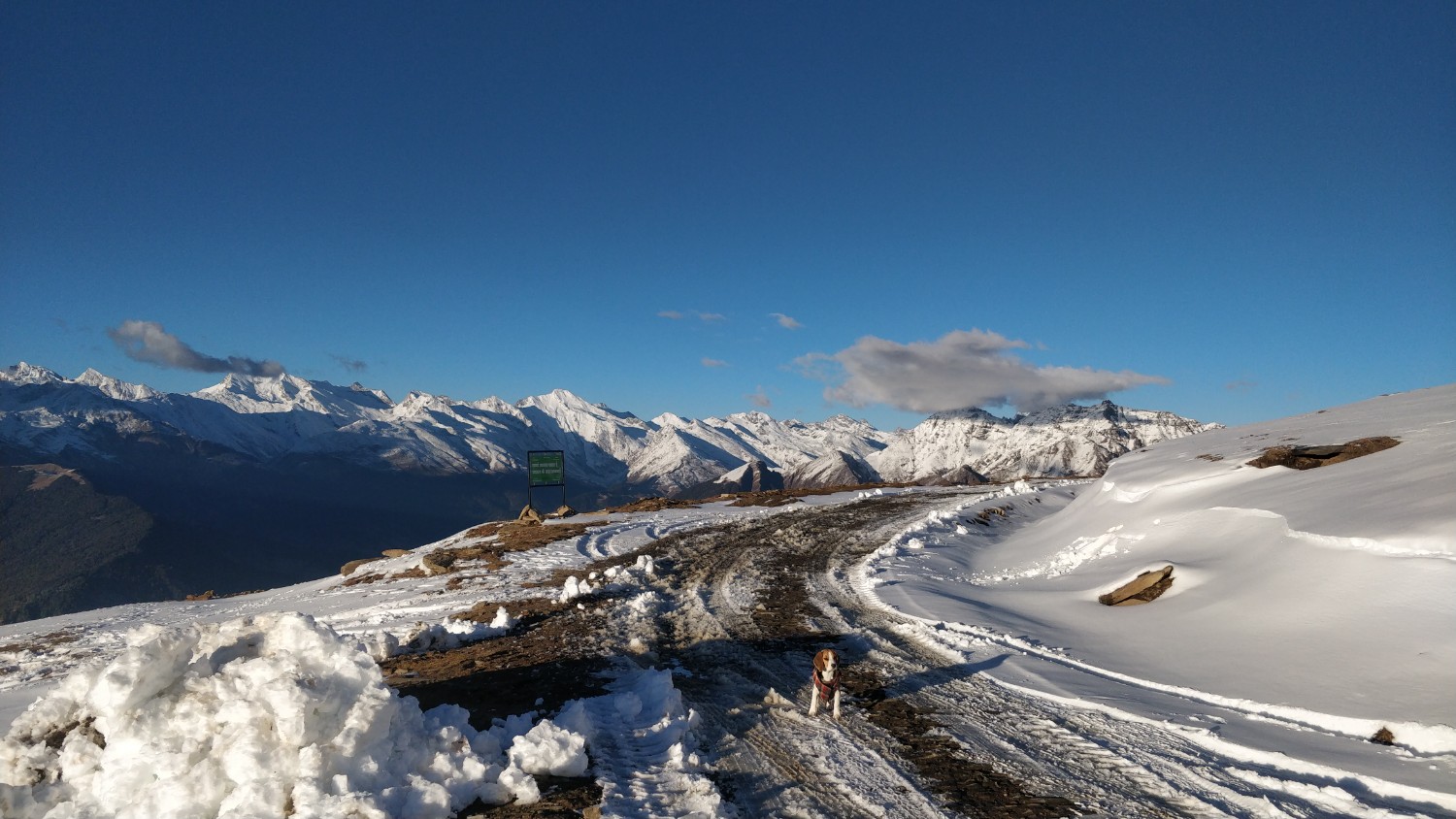
Chanshal Pass: A high-mountain destination farther into the Rohru region. It is a separate excursion rather than a quick stop at the temple; road access depends on season and weather, so verify conditions before planning the drive.
Distances and travel times between these places vary with the chosen route. Check a current map and local road conditions before combining multiple stops in one day.
How Much Time Should You Spend at Hatkoti Temple?
For a temple-focused visit, allow around one to two hours as a planning estimate. This gives you time to explore the complex, offer prayers and appreciate the architecture without rushing.
If you are travelling from Shimla, the road journey itself will take several hours each way. A same-day return may be tiring, particularly if you plan to make additional stops. Staying in or around Rohru can make it easier to explore Hatkoti and the wider Pabbar Valley at a more relaxed pace.
Travel Tips for Visiting Hatkoti Temple
-
Check road and weather conditions before travelling, especially during the monsoon and winter.
-
Confirm temple timings and any festival arrangements locally.
-
Wear modest clothing suitable for a religious site and follow instructions at the shrine.
-
Carry water, some cash and essential personal items, as services may be limited compared with larger tourist centres.
-
Do not litter around the temple, river or surrounding countryside.
-
Ask permission before photographing worshippers or religious activities.
-
If travelling by bus, confirm the stop at Hatkoti and plan your return journey in advance.
-
Avoid relying on a tight itinerary when travelling on mountain roads.
Is Hatkoti Temple Worth Visiting?
Hatkoti Temple is worth considering for travellers interested in Hindu pilgrimage sites, traditional Himachali temple architecture and the cultural landscape of the Pabbar Valley. It can be visited as a dedicated religious destination or included in a broader trip around Rohru and nearby areas.
Its combination of spiritual importance, historic stone structures and a riverside setting gives Hatkoti a distinct character within Shimla district. With advance planning for transport, weather and temple timings, visitors can make the most of a trip to this lesser-known heritage destination.
FAQs
Common questions about this place
Hatkoti Temple is located in Hatkoti village in the Pabbar Valley of Shimla district, Himachal Pradesh, near Rohru. It is accessible by road from Shimla via the Theog–Hatkoti route.
Hatkoti Temple is famous for Hateshwari Mata, its religious significance, traditional stone temple architecture and location beside the Pabbar River. The complex also includes a shrine dedicated to Lord Shiva.
The main shrine is dedicated to Goddess Durga, worshipped here as Hateshwari Mata. The temple is an important place of worship for devotees in the surrounding region.
Hatkoti Temple is approximately 100 km by road from Shimla. Actual distance and travel time depend on the starting point, selected route, traffic and road conditions.
You can travel from Rohru to Hatkoti by taxi or other available road transport. Bus services along the Shimla–Rohru corridor may also serve Hatkoti; confirm current stops and timings before travelling.
A current official daily opening and closing schedule could not be verified. Contact local temple authorities before your visit, especially if you plan to arrive early, visit late or attend a special ceremony.
A current official entry-fee schedule could not be verified. Confirm any charges for special rituals or services locally before your visit.
Spring, summer and autumn can be suitable for a visit, depending on weather and road conditions. Navratri may be significant for devotees, but confirm local programmes and dates before travelling.
Around one to two hours is a reasonable planning estimate for exploring the temple complex and offering prayers. Travellers coming from Shimla should also account for several hours of road travel each way.
Travellers can explore Rohru, parts of the Pabbar Valley, Chirgaon and Jubbal as part of a wider itinerary. Chanshal Pass is another destination in the broader Rohru region, but it requires separate travel planning and checking seasonal road access.
Need Local Help?
Let our experts help you plan the perfect trip to Hatkoti Temple.